 By
By Choosing the right sofa might seem simple, but it can get confusing once you’re in a showroom and start second-guessing every measurement. If it’s too large, it blocks the flow of the room. If it’s too small, the space can look unfinished. Pick the wrong fabric, and you might be replacing it in just a couple of years.
Choosing the right sofa size for your living room is one of the most important decisions you can make for your space. When you get it right, everything else falls into place: the rug, the layout, and the overall feel of the room. If you get it wrong, no amount of styling can fix it.
This guide covers it all: how to measure properly, match sofa size to your room, consider sectionals, pick durable fabrics, and choose colors. You’ll find clear, practical tips based on real apartment setups, buyer reviews, and lessons learned from seeing what can go wrong during delivery.
Start With a Floor Plan, Not a Showroom
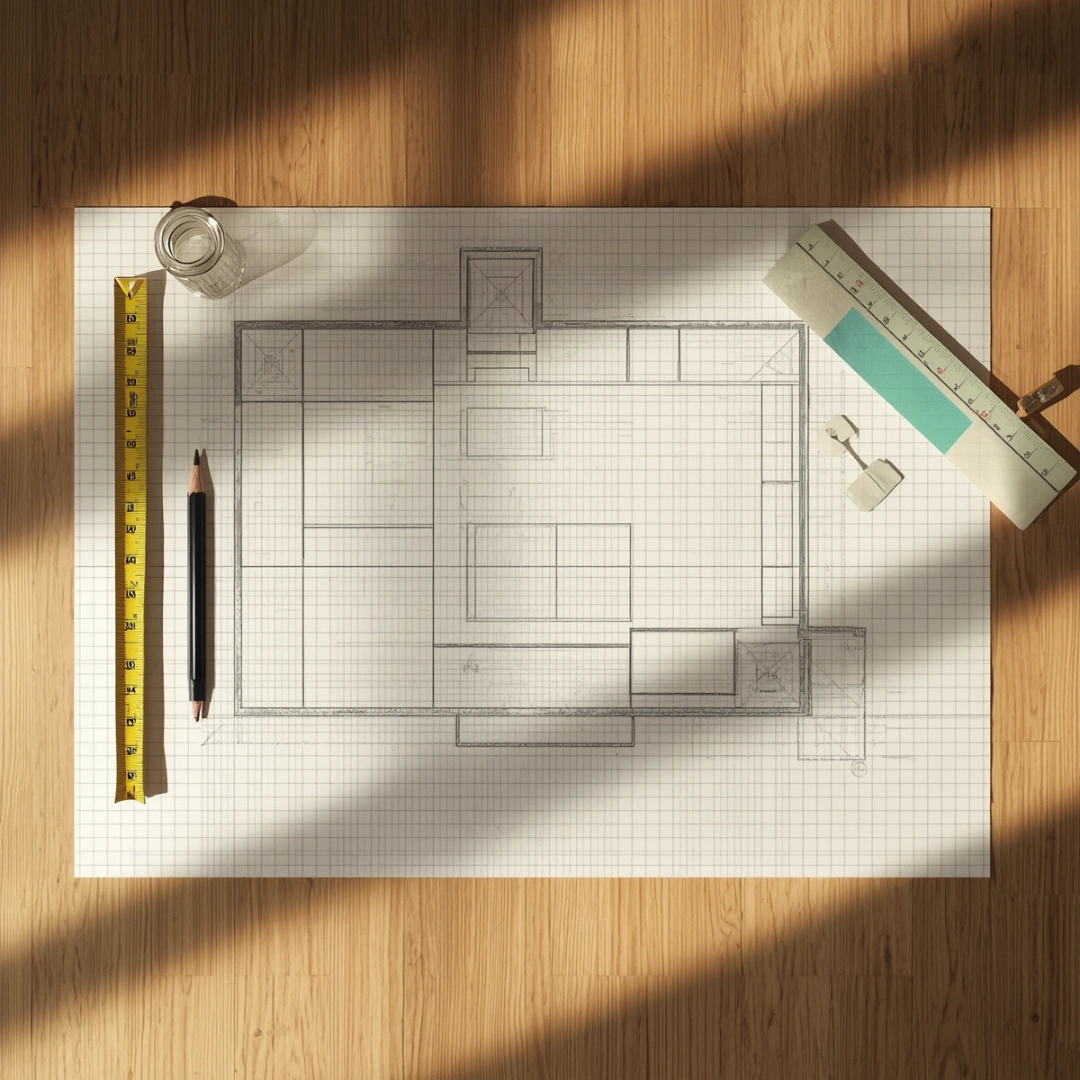
The most common reason people return sofas, which comes up often in buyer reviews, isn’t color or comfort. It’s the size. Many people buy a sofa in a spacious showroom, only to find it won’t fit through their front door or that it overwhelms their room once it’s inside.
Before you start shopping, sketch a simple floor plan on paper or use a free tool like RoomSketcher. Mark every doorway, window, radiator, and electrical outlet. These fixed features determine exactly where your sofa can go.
A good rule is to leave at least 36 inches of clear walking space behind or beside any sofa along a walkway. For conversation areas, keep 18 inches between the sofa and coffee table. That’s close enough to reach your drink, but not so tight that you’re always bumping your shins.
Most guides miss this step: mark the sofa’s dimensions on your floor with painter’s tape before you buy. Leave the taped outline for a full day. Walk around it and sit in front of it with your coffee table in place. It might seem like overkill, but you’ll often find that the “perfect” size doesn’t feel right until you try it out in your space.
How to Measure for a Sofa the Right Way
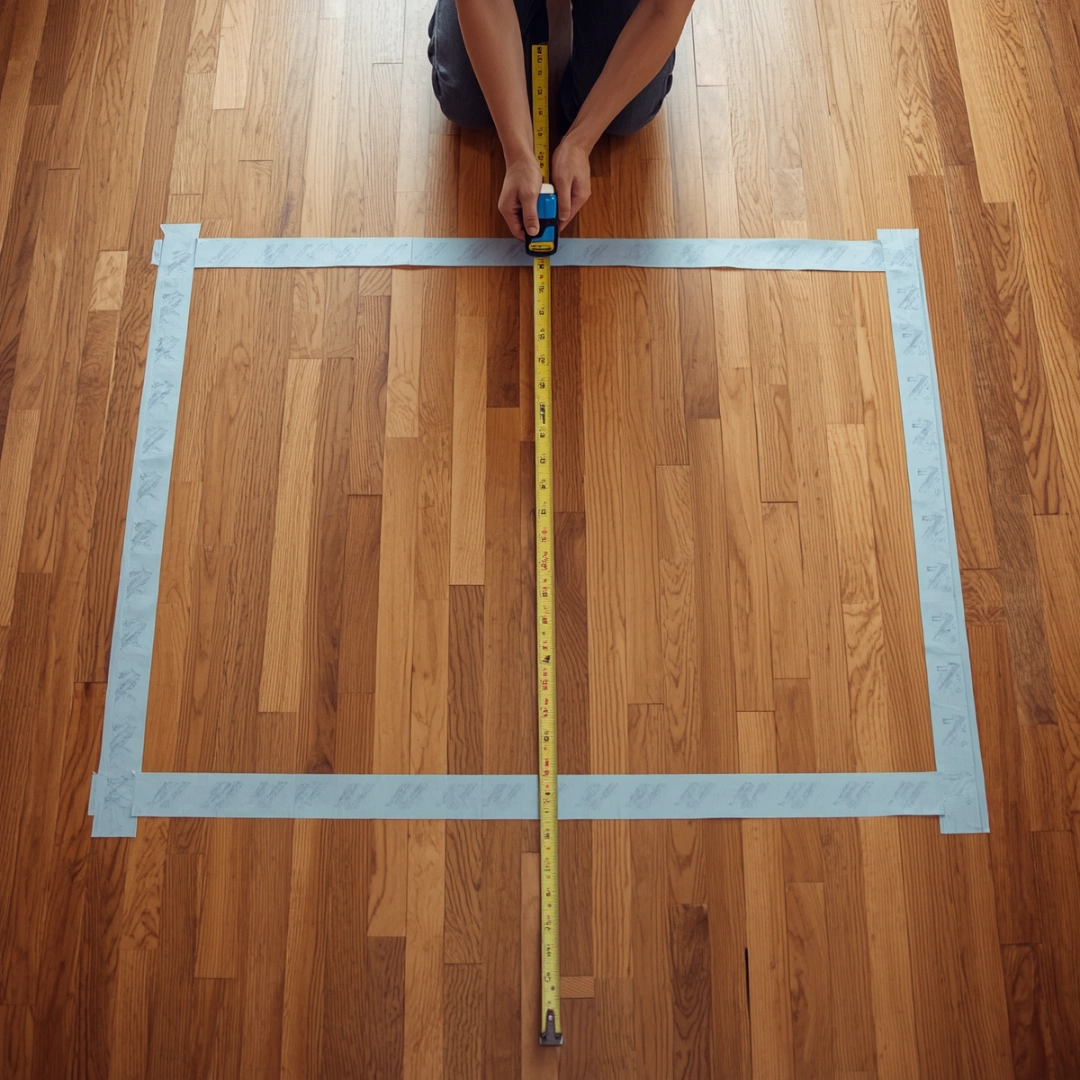
There are two measurements every buyer checks — length and width — and one critical measurement almost nobody checks until delivery day.
The measurements that actually matter:
- Room width and length: Your sofa should not span more than two-thirds of the wall it sits against. In a 14-foot-wide room, that’s roughly 112 inches — but practically speaking, you’ll want to stay under 96 inches to keep the layout from feeling wall-to-wall.
- Doorway width: Standard interior doors are 32 to 36 inches wide. Sofas longer than 90 inches usually need to be tilted diagonally to get through hallways, but this only works if you don’t run into a low ceiling or a tight corner.
- Ceiling height: Rooms with ceilings under 8 feet work best with low-profile sofas, with seat heights around 15 to 17 inches and back heights under 32 inches. High-back sofas in low-ceiling rooms make the space feel smaller, even if it doesn’t show up in photos.n.
The measurement most people forget is diagonal depth. This is listed in most product spec sheets and shows how tall the sofa is when it’s tilted on its side, which is how movers get it through doorways and up stairs. If your stairwell ceiling is 80 inches and the diagonal depth is 84 inches, the sofa won’t make it upstairs.
Always check this measurement before ordering any sofa longer than 85 inches.
How to Measure for a Sectional Sofa

Sectionals can be tricky to measure because manufacturers don’t always use the same method. Sometimes, the listed size only includes the outer frame, not the full space the sofa takes up when you add cushion overhang and leg spread.
When figuring out how to measure for a sectional sofa, you need three numbers:
- Length of the long side (typically the sofa portion)
- Length of the short side (the chaise or return)
- Where those two sides meet — specifically, whether the corner piece adds extra depth or sits flush
Standard L-shaped sectionals range from about 110 by 85 inches for smaller models to 140 by 105 inches for larger family versions. Make sure to leave at least 24 inches of space from the open end of the chaise to the nearest wall or furniture. Less space than that makes it feel cramped when you walk by.
One detail that often causes problems is the corner block. Many sectionals have a large corner piece that sticks out farther than the listed dimensions. Measure the actual corner depth separately, since it’s often 40 to 45 inches instead of the 38 inches shown on the spec sheet.
For apartments, choose sectionals with a reversible chaise, so you can switch sides if you move, and modular pieces that come in separate boxes. Compact sectionals that arrive in three pieces usually get better reviews from apartment dwellers than one-piece designs that need a freight elevator.
Sofa Depth: The Dimension Everyone Forgets

Seat depth is the distance from the front edge of the cushion to the back cushion, and it affects comfort more than almost any other measurement. Still, most people don’t notice its importance until after they’ve bought the sofa.
Standard seat depth runs 21–24 inches. Deep-seat sofas go 25–30 inches.
The difference matters more by body type than most buyers realize:
- If you’re under 5’4″, a 30-inch seat depth leaves your feet dangling or forces you to sit perched at the edge. You end up not actually using the back cushion.
- If you’re over 6’2″, a 21-inch seat feels more like a chair. Your knees stick up, you can’t lean back comfortably, and the sofa starts to feel too small after a month.
- For families with young kids, a shallower depth (22–24 inches) actually works better — kids can sit properly without getting swallowed by the seat, and the sofa functions better as a shared seating piece than a lounging couch.
If you can, try sitting in a floor model the way you really would at home, not just how you might in a showroom. Lean all the way back, cross your legs, and sit as if you’re watching TV. That’s the best way to know if the seat depth is right for you.
Matching Sofa Style to Room Layout
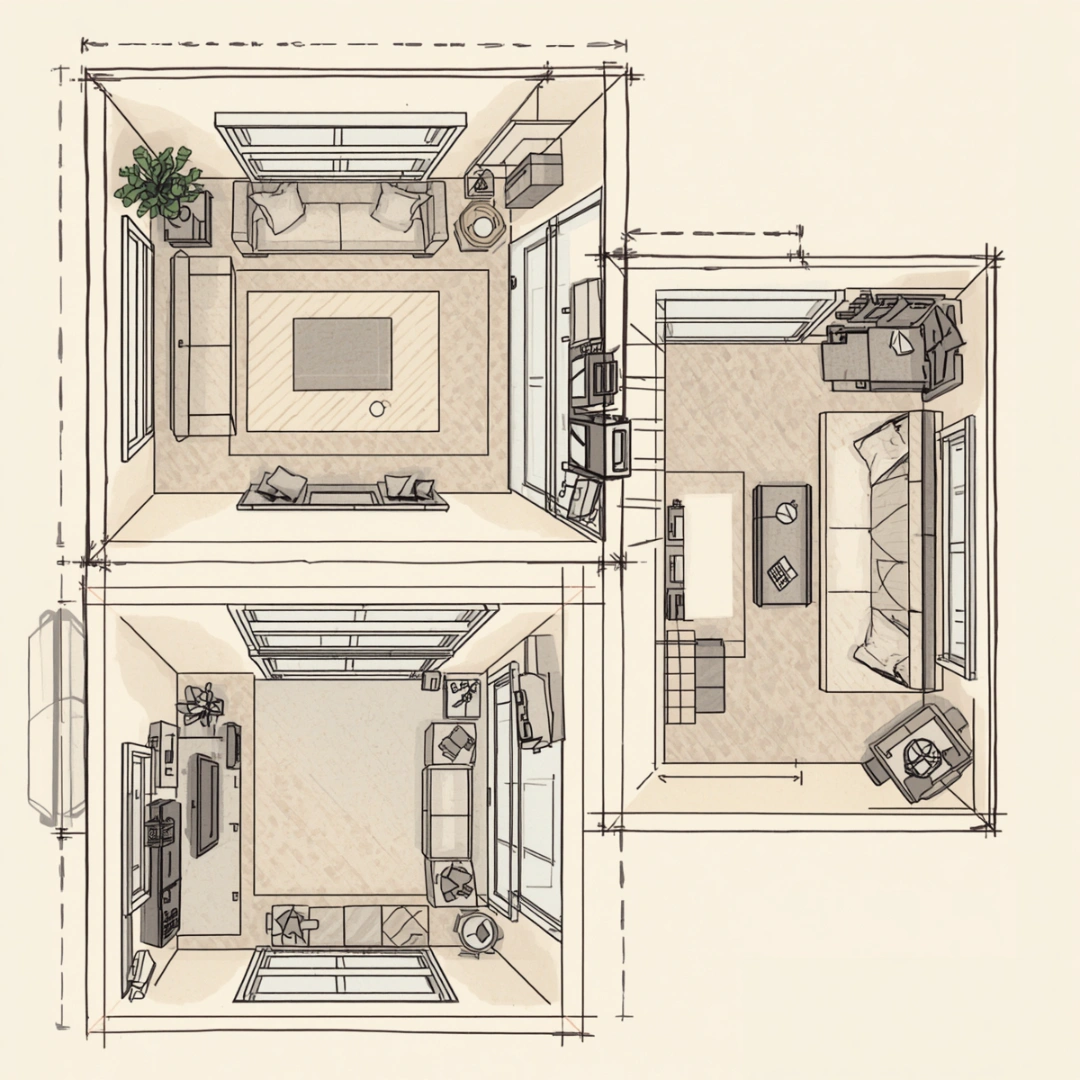
Room shape is one of the most overlooked factors when shopping for sofas. Most people start with style, like modern, traditional, or coastal, and then try to make the sofa fit. It’s actually better to start with the room shape first.
- Square rooms (roughly equal width and length): A sectional or an L-shaped arrangement with a sofa and loveseat works well. The symmetry of a square room can handle more visual weight.
- Long, narrow rooms: Place a single straight sofa parallel to the long wall to keep pathways open. Avoid large sectionals, since the extra section can block your main walkway.
- Open-concept layouts: A sofa with a back height of 32 to 34 inches can act as a visual divider when you place it away from the walls. This idea might seem risky, but it often makes open-plan spaces feel more organized when the size is right.
For more on anchoring your layout visually, this guide on what to do when your room has no focal point covers practical fixes that work hand in hand with furniture placement.
Try pulling your sofa 6 to 12 inches away from the wall, even if it feels odd at first. This adds visual depth, making the room look bigger and more thoughtfully designed. It’s also a common trick used by professional stagers when a room feels flat.
Best Deep Seat Sofa for a Family Room

Family rooms have demands that formal living rooms don’t: multi-position lounging, withstanding daily use from multiple people, and surviving the particular chaos of households where someone is always eating cereal on the couch.
When looking at top-rated family room sofas and complaints about lower-rated ones, a common problem is frame failure at the joints. Sofas made with stapled MDF corner blocks often break at those points within 3 to 5 years of heavy use. Sofas with kiln-dried hardwood frames and doweled or mortise-and-tenon joints last much longer. You can check this by asking the retailer or looking at the product specs.
For cushions, look for high-density foam cores of at least 1.8 lb, wrapped in down alternative or dacron. These hold their shape much longer than foam-only cushions. The wrap keeps the cushions from looking flat and worn out in the first year. To test this in a showroom, press your palm into the seat cushion and let go. It should spring back within two seconds.
Removable, reversible cushions extend sofa life considerably — rotating them every few months evens out wear across the whole sofa rather than concentrating it in one or two high-use spots.
For family rooms, a seat depth of 26 to 28 inches usually works best. It’s deep enough for adults to curl up, but still shallow enough for kids to sit comfortably.
How to Choose Sofa Color for Your Living Room
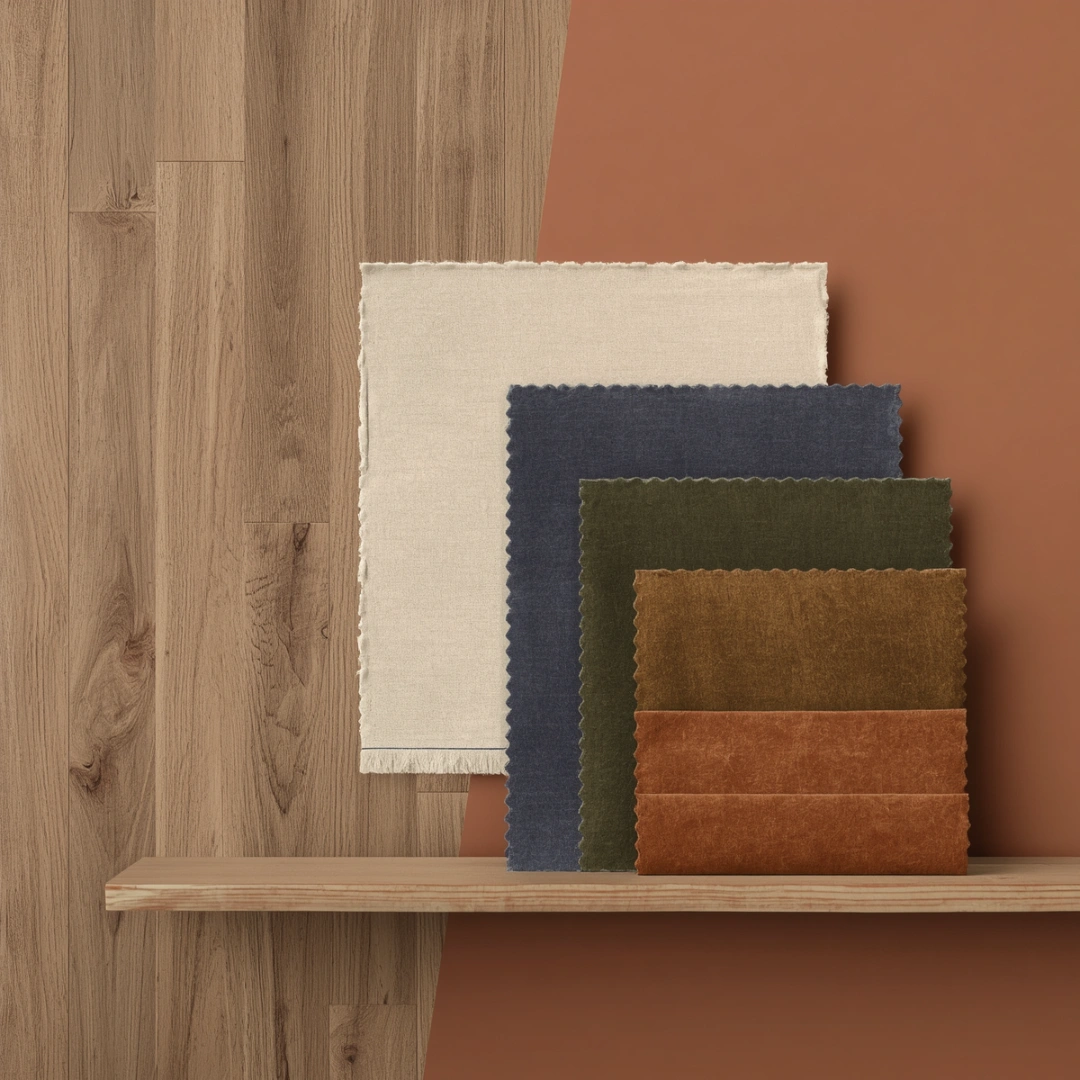
Color is where many people overthink things. A better approach is to start with what you already have, like your floor, wall color, and rug, and pick a sofa that fits in with those tones and shades.
Looking at real living rooms in home decor communities, there’s a clear pattern: rooms that feel “off” often have a sofa color that clashes with the floor. For example, a warm honey wood floor with a cool grey sofa creates a tension that throw pillows can’t fix.
Mid-toned neutrals like warm greige, soft camel, and earthy slate blue work well in many room styles. They add color without clashing with accessories, and they don’t show every crumb the way bright white sofas do in daily life.
If your room already has bold features like a colorful rug, gallery wall, or dramatic curtains, a more neutral sofa color lets those elements stand out. If the room feels plain, a sofa in a richer color like deep olive, cognac, or dusty terracotta can help anchor the space without extra decorating.
When picking a sofa color for your living room, avoid matching it exactly to your walls. If the sofa and wall are the same color, the room can look smaller instead of more put-together. Even a slight contrast adds depth and makes the space feel more designed. For more on how color works with your furniture, check out this guide on brightening a living room with dark furniture.
Space-Saving Small Apartment Sectional Sofa Options
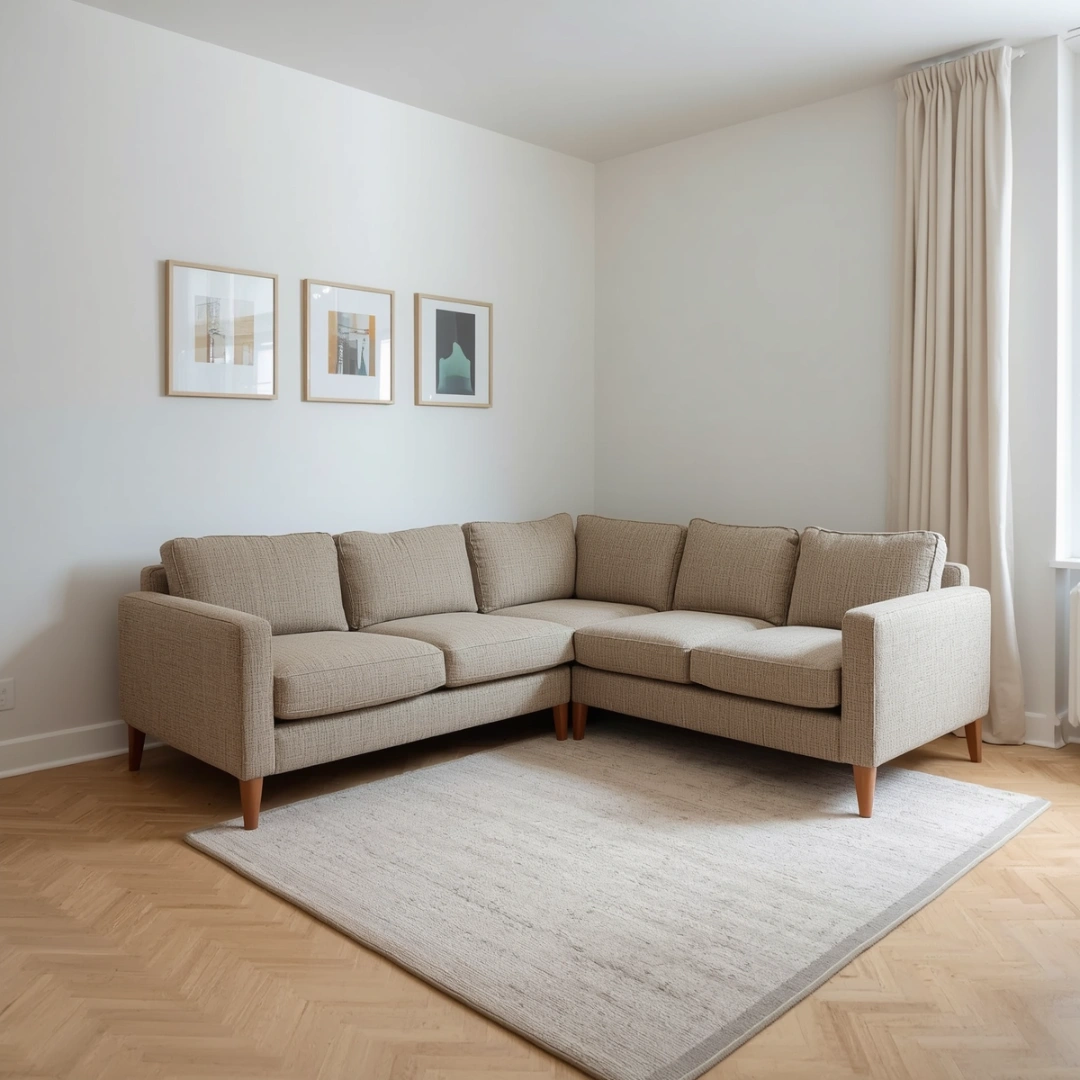
A space-saving sectional for a small apartment might sound impossible, but this category has really improved. Compact sectionals made for apartments are usually 90 to 110 inches on the longest side and have shallower seat depths of 21 to 23 inches to save walking space.
What actually separates the good apartment sectionals from the bad ones, based on consistent feedback patterns:
- Track arms, which are 3 to 4 inches wide, compared to pillow arms at 6 to 10 inches, give you back 10 to 15 inches of usable seating space on the sofa. This makes a big difference in a 250-square-foot living room.
- Reversible chaise — the ability to swap chaise sides when you move is worth far more than it sounds; apartment layouts are rarely the same twice.
- Low-profile backs (under 32 inches) — keep sightlines open, which is the single greatest visual trick in a compact space.
Pairing a small sectional with the right rug size underneath it is essential — a rug that’s too small visually isolates the sofa and shrinks the room. For an apartment sectional, a rug large enough for the front legs of all pieces to sit on is the minimum.
Avoid U-shaped sectionals in rooms smaller than 250 square feet. They leave you with narrow walkways on both sides, which feel more like obstacles than open space.
Best Life-Proof Couch for Kids and Pets

For homes with kids and pets, the best life-proof couch is more about the right fabric and sturdy frame than about style. You can always change the style, but you can’t fix a sofa that smells like wet dog after six months.
Performance fabrics, like Crypton, Sunbrella, or similar brands, are truly worth the extra cost. They resist liquids deep in the fibers, not just on the surface, so spills bead up instead of soaking in. This makes a big difference, since regular upholstery might seem similar in the store but won’t hold up the same way after a couple of years.
Solution-dyed acrylic is a great choice for homes with pets. It resists fading from sunlight, can be cleaned with mild bleach without losing color, and doesn’t trap pet hair like natural fibers. Velvet and bouclé, while popular and attractive, are not good for homes with shedding pets. Their texture grabs hair, which then ends up on clothes, the couch, and everything nearby.
Slipcovered sofas deserve more serious consideration. A quality slipcovered sofa with machine-washable covers is often the most practical long-term choice for a family — covers can be replaced for $150–$300 rather than the full cost of the sofa when they show wear.
For families, 8-way hand-tied springs are the best choice for long-lasting seat support. Sinuous, or S-shaped, springs are a good mid-range option. Webbing-only bases, which are common in budget sofas, tend to sag after 3 to 4 years of heavy use, and no amount of new cushion filling can fix that.
Sofa Trends Worth Knowing
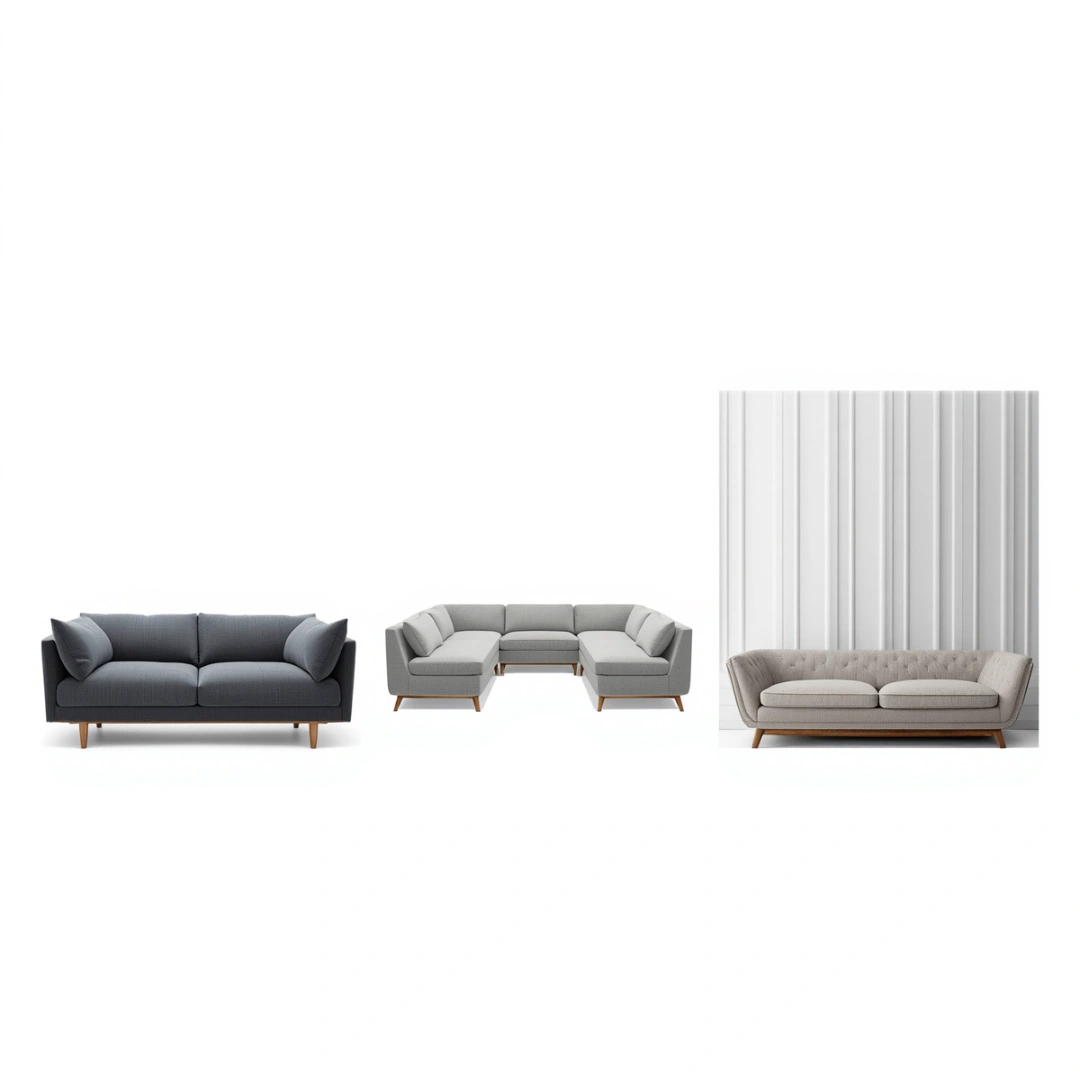
There are a few design trends worth knowing about—not because you should buy based on trends, but because some offer real functional improvements, not just new looks.
Curved sofas have moved from accent piece to primary seating in a meaningful number of living room layouts. The function behind the form: the curved angles of adjacent seats slightly draw them toward each other, making conversation easier. For families and regular entertainers, that’s a practical benefit, not just a design choice.
Modern luxury modular sectionals can be reconfigured as your needs change. You can add or remove pieces and rearrange them when you move. While the upfront cost is higher, their flexibility over ten years or more makes them a smart investment.
Low-profile couches, with seat heights of 14 to 16 inches and back heights under 32 inches, are great for rooms with low ceilings or for Japandi and minimalist styles. The idea is that less vertical bulk from the sofa makes the room feel taller. Japandi design and low furniture go well together, making this one of the few trends where style and function both work in your favor.
Conclusion
Choosing the right sofa isn’t just about picking the most beautiful one in the showroom. It’s about finding the best fit for your floor plan, your daily habits, and your long-term comfort. Take measurements seriously, especially the diagonal depth. Be honest about how you actually use your living room, not just how you wish you did, and let those answers guide your style choices.
A sofa that genuinely fits your life will always look better than one that’s merely beautiful on paper.
Ready to Pull Your Living Room Together?
Once your sofa is in place, the rest of your layout becomes much easier to design around it. These guides will help you complete the space:
- How to Pick the Right Rug Size for Every Room
- How to Style a Coffee Table Like an Interior Designer
- What to Do If Your Room Has No Focal Point
- How to Make Your Home Look Expensive on a Budget
FAQ
What’s the standard sofa size for a living room?
- Most living rooms accommodate sofas between 72 and 96 inches. For rooms under 180 sq ft, aim for 72–80 inches to preserve walking space and visual breathing room.
How far should a sofa be from the TV?
- Multiply your TV screen size (in inches) by 1.5–2.5 to get the ideal viewing distance in inches. For a 65-inch TV, that’s roughly 97–162 inches (8–13 feet).
Can a sectional work in a small living room?
- Yes — with the right configuration. Look for compact sectionals with track arms and a single chaise rather than full L-shapes with bumper ends. Stay under 110 inches on the longest side for rooms under 200 sq ft.
How long should a sofa last?
- A well-built sofa with a kiln-dried hardwood frame and high-density cushions (1.8 lb foam or higher) should last 10–15 years with regular use. Budget sofas with particleboard frames and low-density cushions typically show significant structural and aesthetic wear within 3–5 years.
Should the sofa face the door or the TV?
- Primary orientation should face the room’s focal point — usually the TV or fireplace. Avoid placing any seating with its back directly toward a main entry if possible; it creates an unwelcoming sightline when entering the room.