 By
By If you’ve ever walked into your mobile home and thought, “This just doesn’t feel like me anymore,” — you’re not alone.
Millions of manufactured homeowners live with outdated paneling, flat ceilings, and carpets that have seen better decades. The space feels small. Dated. And frankly, a little embarrassing when guests come over.
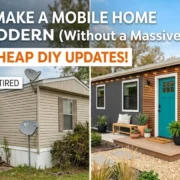
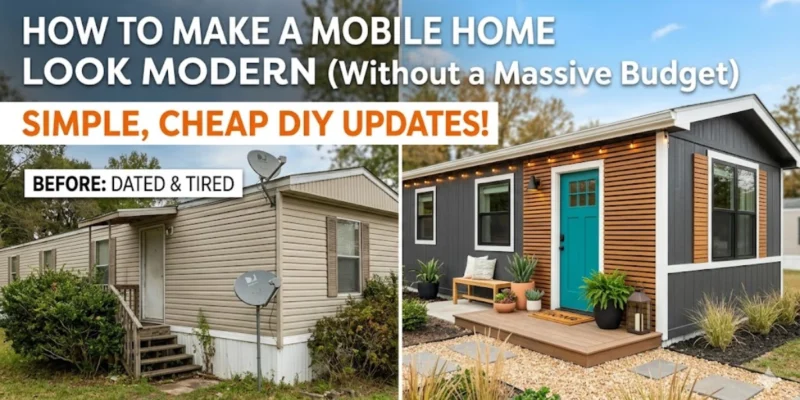
Here’s the truth: knowing how to make a mobile home look modern doesn’t require a full gut renovation or a contractor’s price tag. It requires the right upgrades, in the right order, with a clear design direction.
This guide breaks down exactly what to do — room by room, inside and out — to turn your manufactured home into a stylish, comfortable space that genuinely impresses. Whether you’re working with $500 or $5,000, there’s a path forward.
Let’s dig in.
1. Start with a Modern Color Palette
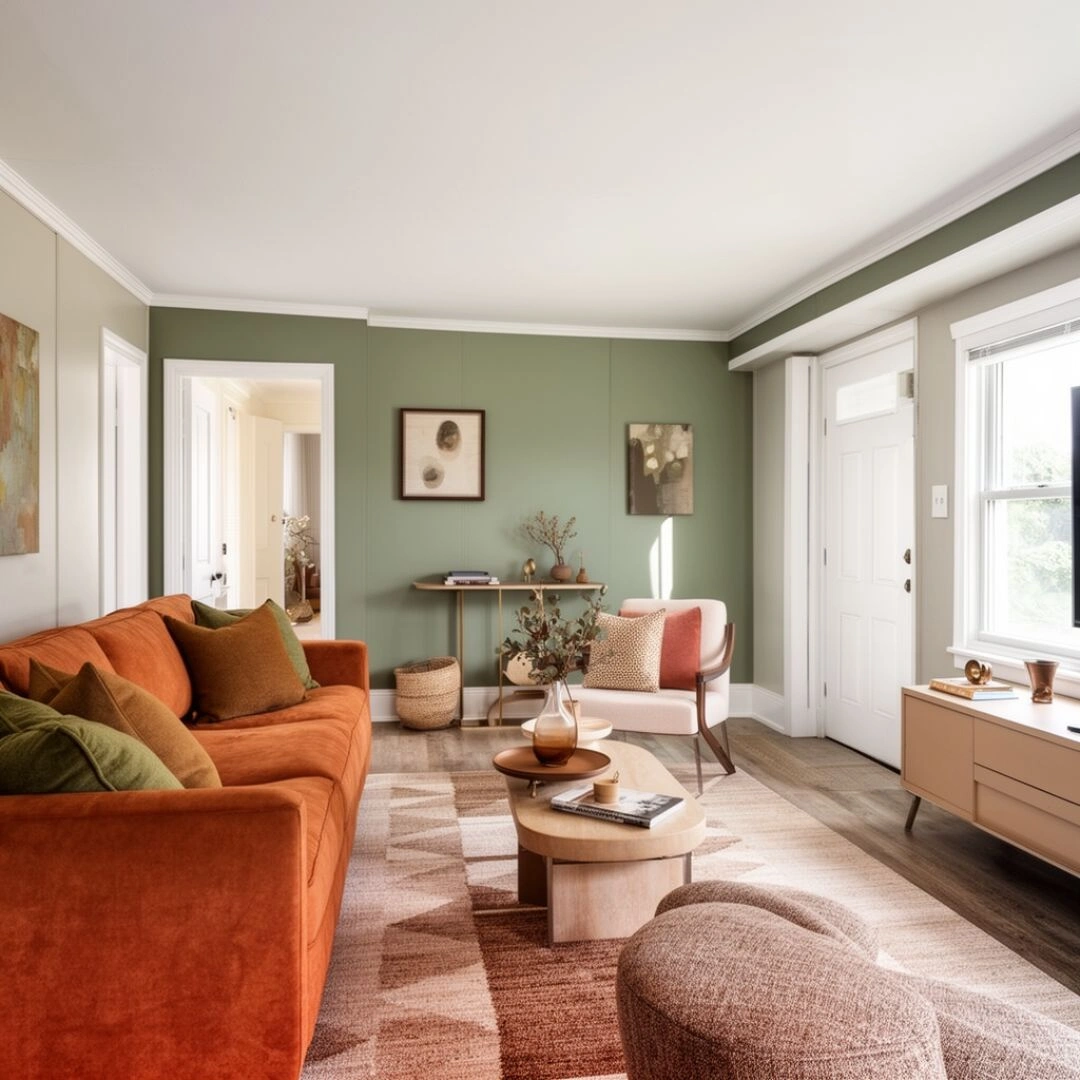
Color is the fastest, cheapest, and most dramatic change you can make to any space. And in a mobile home, it does double duty — it shapes how big a room feels, not just how it looks.
The modern mobile home color formula is simple:
- Base: Warm whites, soft greige (grey + beige), or muted sage green on walls
- Trim: Crisp white for baseboards, window frames, and door casings — this alone makes paneled walls look intentional
- Accents: One or two deeper tones through pillows, rugs, curtains, and art
In 2025 and heading into 2026, earthy, nature-inspired tones are dominating manufactured home makeovers. Think terracotta, warm clay, dusty olive, and sandstone. These colors feel grounded and luxurious without looking trendy in a disposable way.
What to avoid: Stark builder-white throughout, high-gloss paint on walls (it highlights every imperfection), and matching everything to exactly the same shade. Monochrome can work — but it needs texture variation to avoid looking flat.
One thing most blog posts skip: paint your ceiling the same color as your walls, or a shade lighter. In a mobile home with 7–8 foot ceilings, painting the ceiling a different bright white creates a visual “lid” that makes the room feel smaller. A soft, continuous tone from wall to ceiling opens everything up.
2. Upgrade the Flooring First
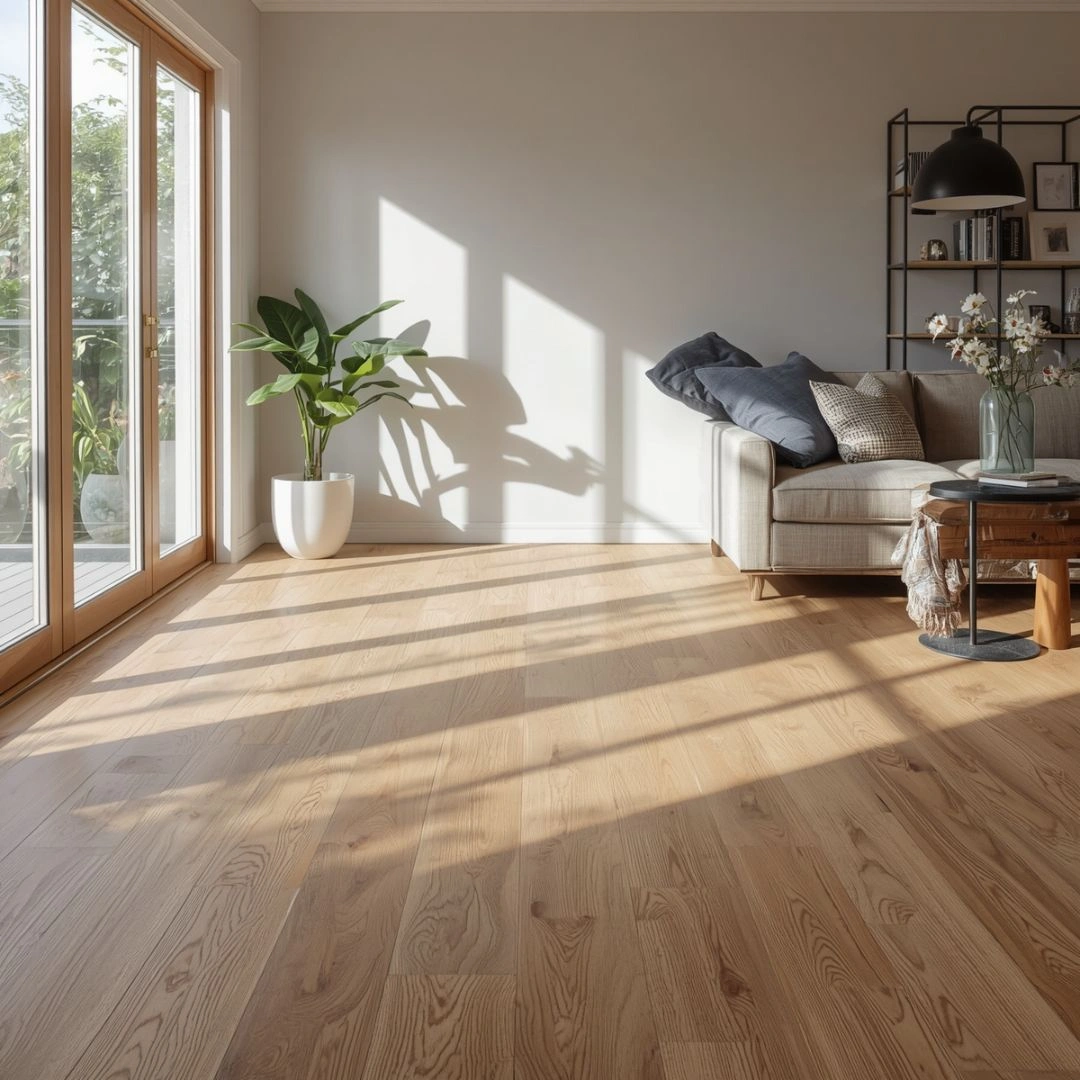
If there’s one upgrade that makes the single biggest visual difference in a mobile home, it’s replacing the flooring.
Old linoleum, worn carpet, and faded vinyl scream dated — no matter how nice the rest of the space looks. New flooring anchors everything else.
The best modern flooring options for mobile homes:
- Luxury Vinyl Plank (LVP): This is the #1 recommendation. It’s waterproof, durable, affordable ($2–$5/sq ft), and looks almost identical to real hardwood. It handles the slight subfloor movement common in mobile homes without cracking or buckling.
- Laminate: Budget-friendly and stylish, though less moisture-resistant. Best for living areas and bedrooms.
- Large-format tile: Ideal for bathrooms and kitchens. Bigger tiles mean fewer grout lines, which visually expands a small space.
- Engineered hardwood: A premium option with the warmth of real wood, without the sensitivity of solid hardwood.
Pro tip: Use the same flooring throughout the main living area. Running one continuous floor from the living room into the kitchen and hallway removes visual breaks and makes the entire space feel bigger and more intentional.
3. Transform the Walls (Ditch the Panels)
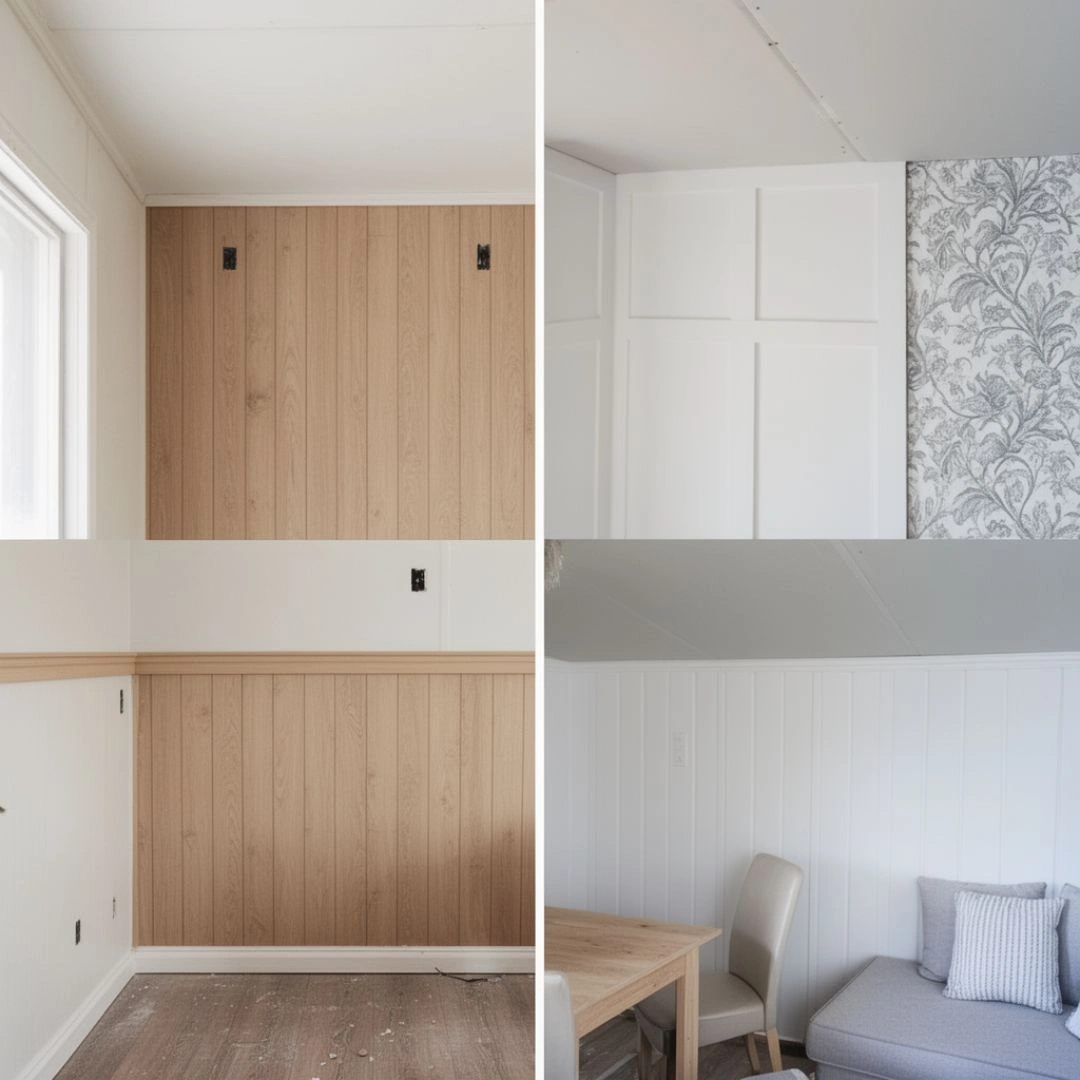
Fake wood paneling is the single most recognized sign of an older mobile home. Covering or replacing it is one of the most transformative mobile home interior upgrades you can do.
Your options, from cheapest to most involved:
Paint the Paneling
Yes — you can paint it. Fill the grooves with drywall joint compound, sand smooth, prime with a high-adhesion primer, then paint. Done well, painted paneling looks like drywall from across the room. This is a $100–$300 weekend project that changes everything.
Peel-and-Stick Wallpaper
Modern peel-and-stick wallpaper has come a long way. Use it on one feature wall — behind the bed, in the entryway, or in the dining area — for a designer focal point with zero commitment. Renter-friendly, too.
Shiplap or Board and Batten Accents
Installing horizontal shiplap boards or a simple board-and-batten accent wall adds architectural character that completely erases the “manufactured home” feel. It photographs beautifully, it’s relatively inexpensive, and it works in almost every style — modern farmhouse, coastal, minimalist, or boho.
Drywall Over Panels
For a true long-term renovation, you can hang new drywall directly over existing panels. This requires more work and a bit of electrical know-how (outlet boxes will need extensions), but the result is indistinguishable from a site-built home.
Maximize Light — Natural and Artificial
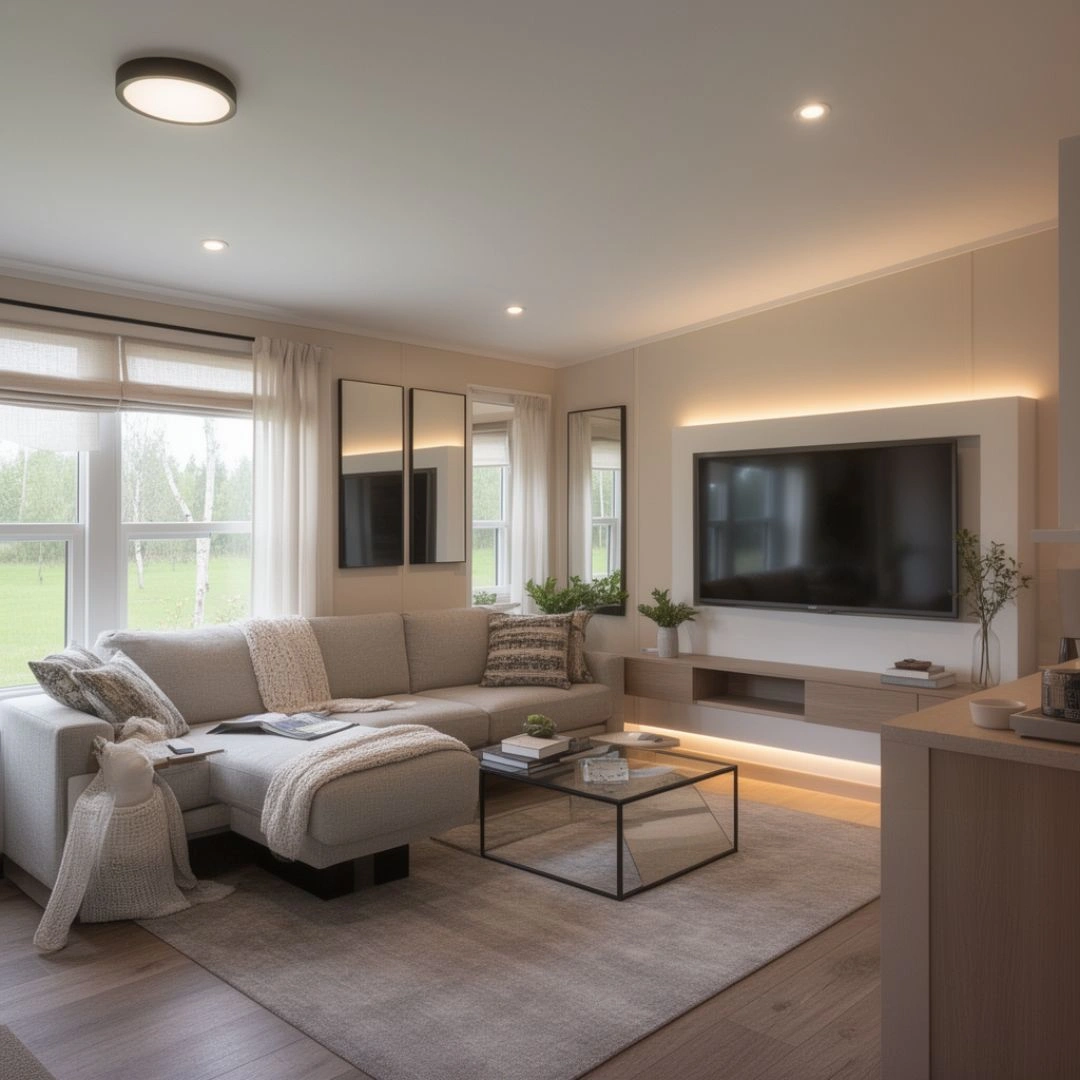
Lighting is what separates a staged space from a lived-in one — and most mobile homes have a real problem with it: overhead fixtures only, no layers, and often poor natural light.
Here’s how to fix it strategically:
Natural Light
- Replace heavy curtains with light-filtering linen panels or Roman shades — never block windows entirely
- Add mirrors across from windows; they literally double your natural light while making the room feel wider
- If budget allows, upgrading to larger or double-paned windows pays dividends in both light and energy savings
Artificial Light Layering
Modern interior design uses three layers of light:
- Ambient: General overhead illumination (ceiling fixtures, recessed lighting)
- Task: Under-cabinet lighting in kitchens, reading lamps by beds, and sofas
- Accent: LED strip lighting under islands, behind TVs, beneath floating shelves
In mobile homes with low ceilings, recessed lighting is the game-changer. It provides ample light without hanging fixtures that eat up precious headroom. If full recessed lighting isn’t in the budget, flush-mount LED ceiling lights in a modern matte black, brushed nickel, or aged brass finish make an immediate visual improvement over old dome fixtures.
Don’t underestimate under-cabinet lighting. A $30–$60 LED strip kit in the kitchen adds ambiance that rivals what you’d find in a newly built home.
Modernize the Kitchen Without a Full Remodel
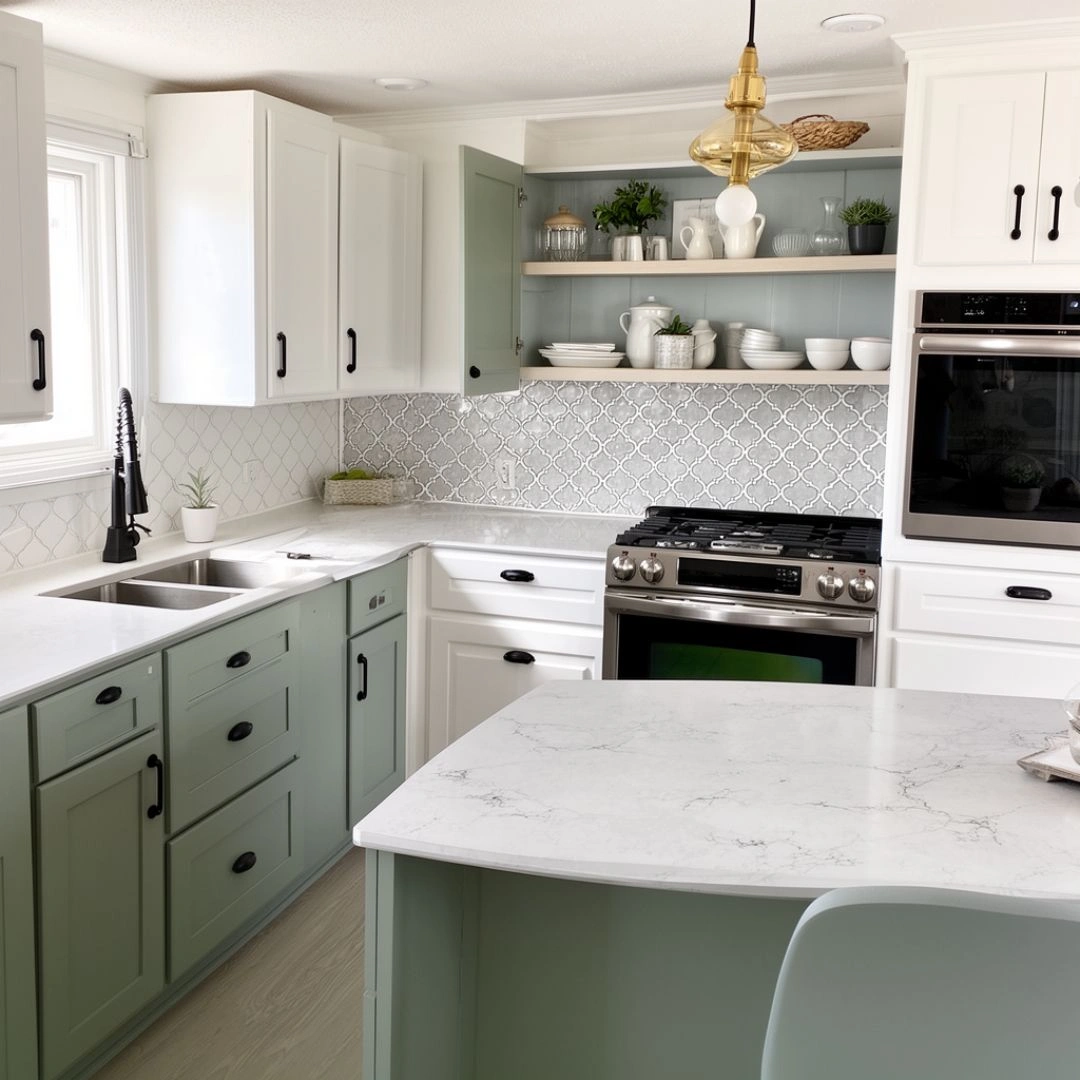
The kitchen is often the most dated part of mobile homes — dark laminate cabinets, linoleum floors, outdated hardware, and old appliances.
A full kitchen renovation can cost $10,000+. But here’s what most people don’t realize: you don’t need to replace everything to get modern results.
High-impact, low-cost kitchen updates:
- Paint the cabinets: Use a cabinet-specific paint or chalk paint with a topcoat. White, soft gray, navy, or sage green are all modern choices. New hardware (matte-black pulls or brushed-brass knobs) finishes the transformation. Total cost: $150–$400.
- Peel-and-stick backsplash tile: Available online and at most home improvement stores, these are waterproof, removable, and look genuinely impressive. A subway tile or Moroccan pattern behind the range transforms the kitchen.
- Replace the faucet: A matte-black or brushed-nickel faucet with a modern silhouette costs $60–$150 and makes the sink area look custom.
- Add open shelving: Remove one or two upper cabinet doors, paint the interior, and style the shelves with dishes and plants. This trend is everywhere in modern kitchens — and it’s free if you do it yourself.
- Upgrade countertops strategically: Quartz countertops are the gold standard for modern manufactured-home kitchens, but peel-and-stick contact paper with a marble or concrete finish is a surprisingly convincing and removable alternative.
Bathroom Upgrades That Look Expensive
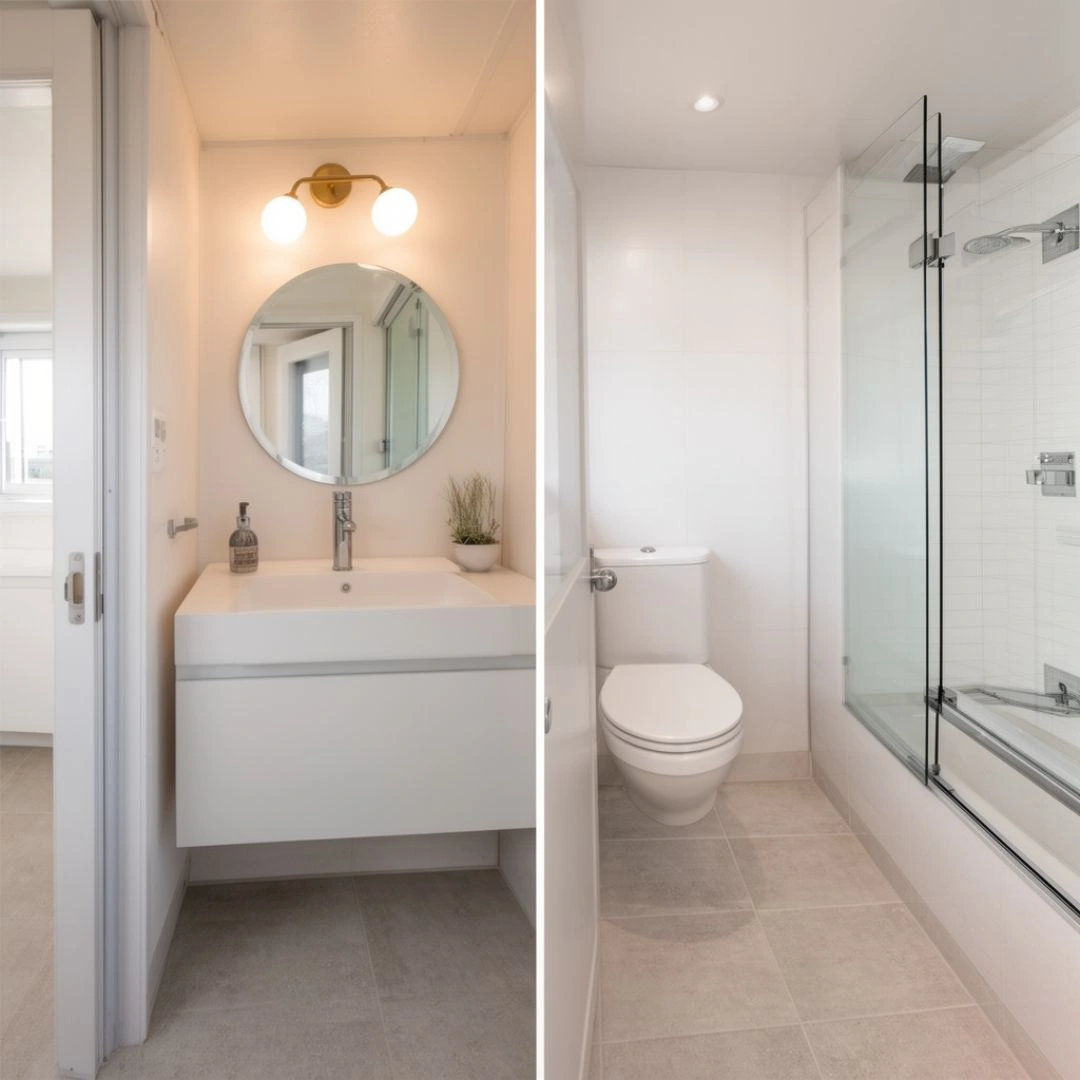
Bathrooms in mobile homes are notoriously tight. But tight doesn’t have to mean dull.
The biggest visual wins in a small bathroom:
- Frameless or large mirror: Replace the basic rectangular mirror with a round or arched frameless mirror. Instant upgrade, ~$40–$100.
- New vanity light: Swap the builder-grade bar light for a modern sconce or globe light in a matte finish. This one change photographs dramatically better.
- Replace the shower curtain with a glass panel: Fixed glass panels (not full enclosures) create clean lines and make small bathrooms feel significantly more open.
- Grout refresh: Old, discolored grout makes clean tile look dirty. A grout pen or fresh regrouting job costs very little and looks transformative.
- Add a floating vanity: If you’re up for a bigger project, a wall-mounted vanity creates the illusion of more floor space — one of the best visual tricks for a narrow bathroom.
Large-format tiles in both the floor and walls minimize grout lines and create a seamless surface that makes small bathrooms appear larger. If you’re retiling, stick to large neutrals: white, soft gray, warm bone, or matte terracotta.
Smart Furniture Choices for Low Ceilings and Tight Layouts
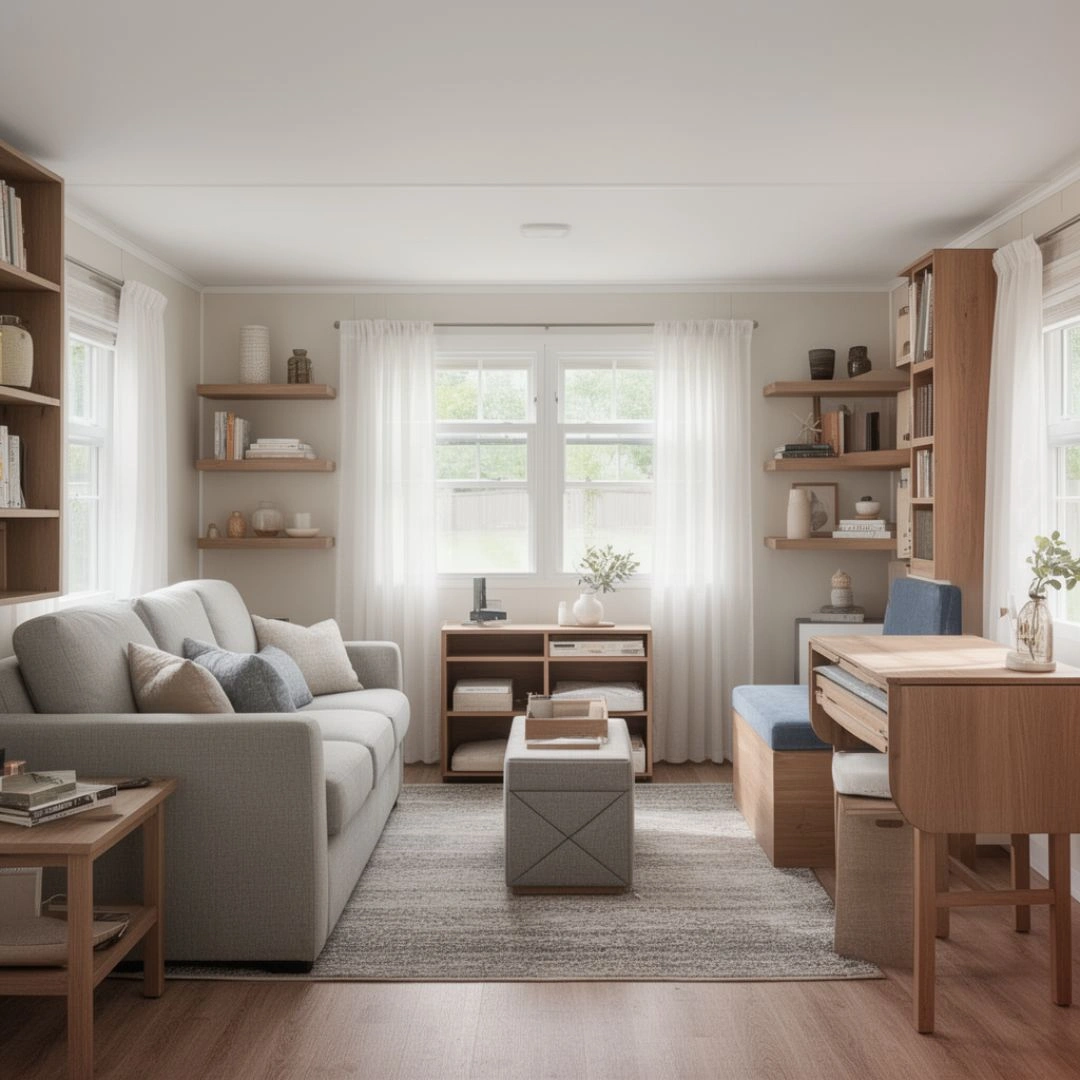
Furniture is where many mobile home makeovers go wrong. Oversized sofas, tall bookshelves, and cluttered coffee tables make already compact rooms feel suffocating.
The modern mobile home furniture approach:
- Choose low-profile pieces. Sofas and beds that sit closer to the ground make ceilings feel higher by contrast.
- Float your furniture. Don’t push everything against the walls. Pulling the sofa slightly away from the wall and anchoring the seating arrangement with a rug creates a finished, designed look.
- Multifunctional is mandatory. Storage ottomans, lift-top coffee tables, beds with built-in drawers, and drop-leaf dining tables are the backbone of smart small-space living.
- Use vertical space intentionally. Floating wall shelves, tall narrow bookcases, and wall-mounted storage draw the eye upward and create the impression of height.
- Limit your palette. Stick to 2–3 furniture tones in each room. A cohesive palette looks curated; a mismatched collection looks cluttered.
Boost Curb Appeal: Make the Outside Match the Inside
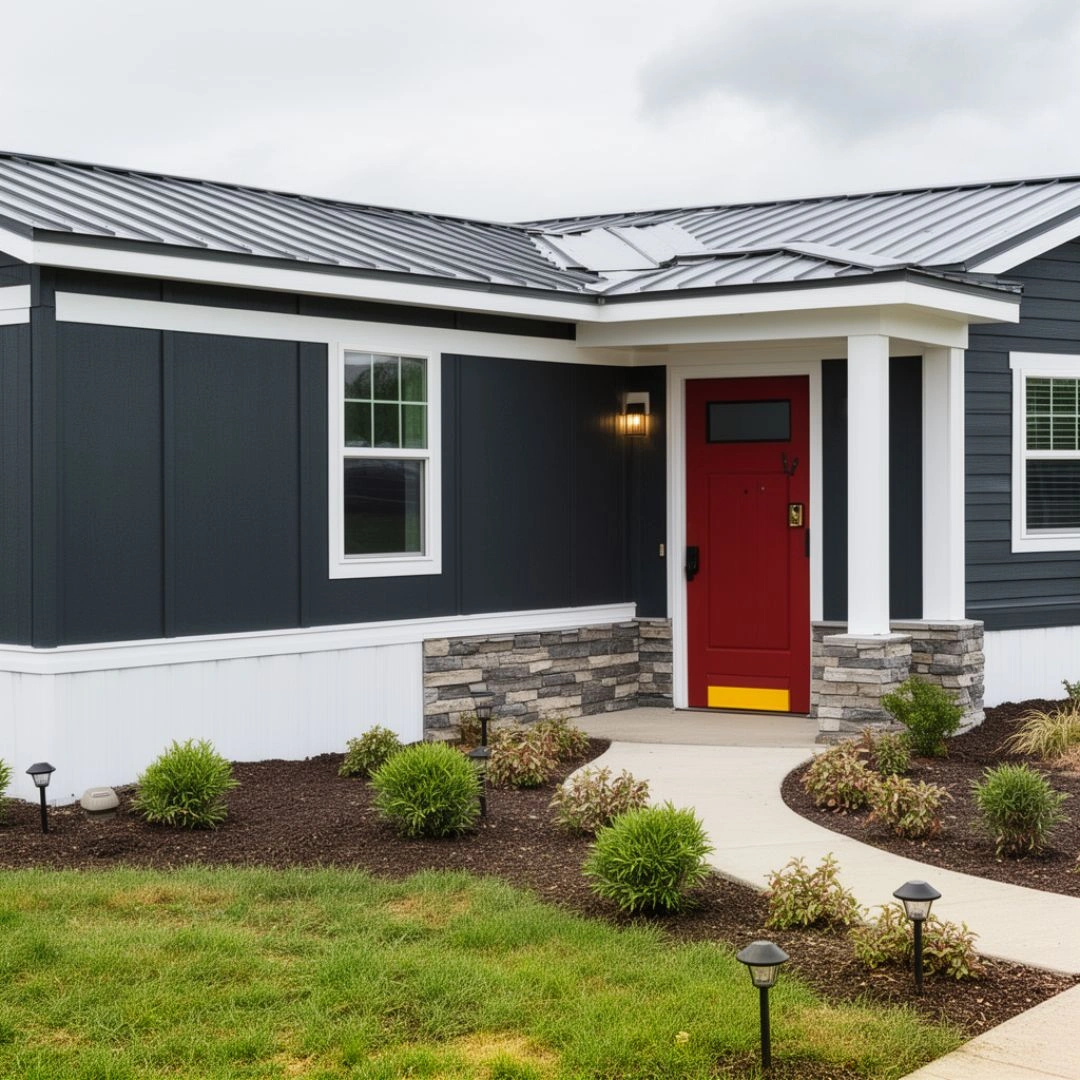
Here’s something most interior-focused guides miss entirely: if the outside of your manufactured home looks neglected, no amount of interior work will feel satisfying.
Modern mobile home exterior upgrades:
- New skirting: Replace old lattice or damaged skirting with clean vinyl or faux stone panels. This grounds the home visually, making it look like it belongs on its lot.
- Fresh exterior paint: A dark body color (charcoal, navy, hunter green) with white trim is one of the most popular modern mobile home exterior looks right now. It’s bold, contemporary, and the photos are strikingly good.
- Front door upgrade: Paint your front door a contrasting color — deep red, matte black, or warm yellow. Add new hardware and a simple light fixture. This one project costs under $150 and dramatically changes curb appeal.
- Landscaping: Foundation plantings, a defined pathway, and solar-powered lighting create a polished, intentional exterior. You don’t need a landscaper — just a consistent planting scheme with 3–5 repeating plants.
- Roof upgrade: If your roof shows its age, a metal roof-over is a durable, modern-looking solution that also improves energy efficiency.
Storage Solutions That Look Designer
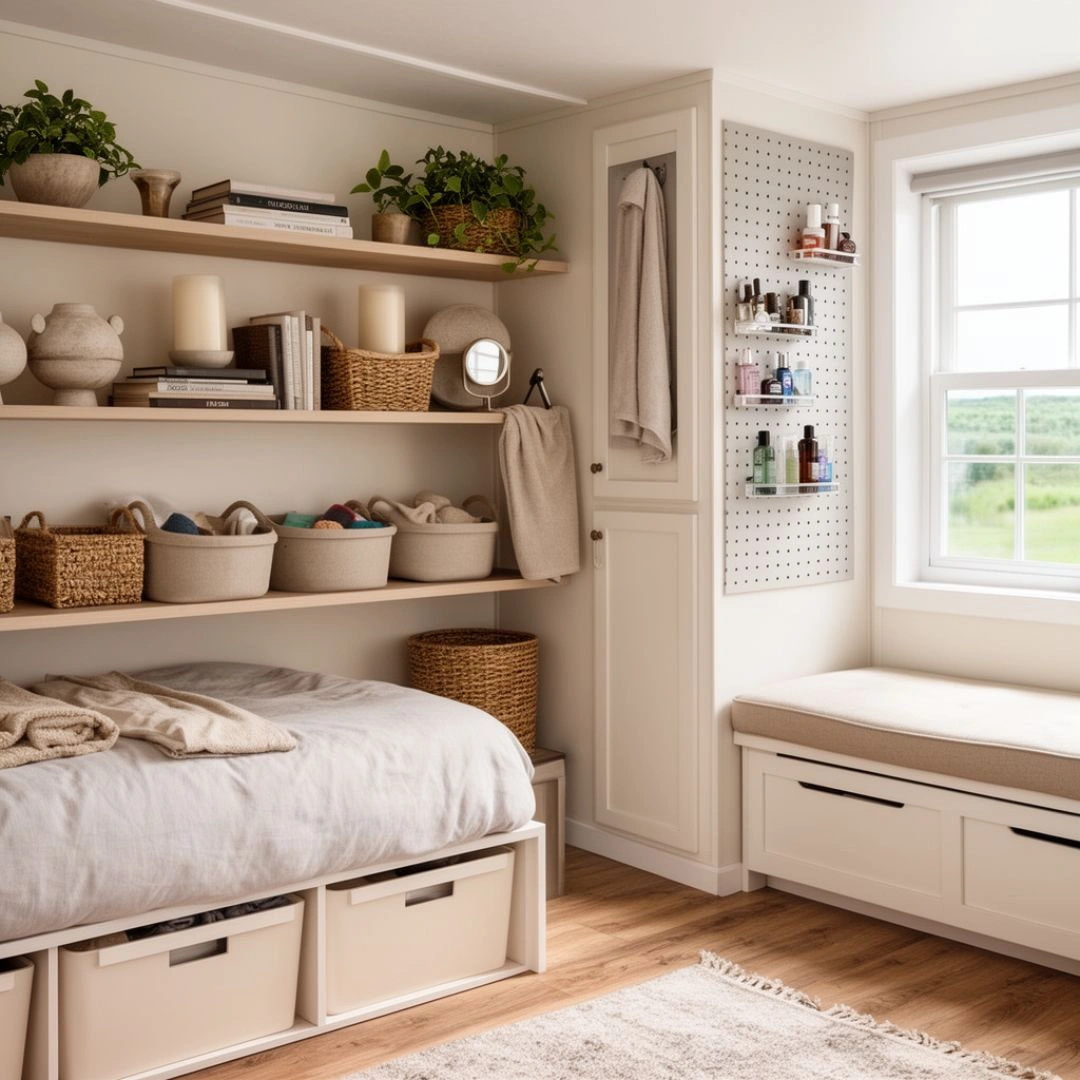
Clutter is the enemy of modern design. And in a mobile home, where square footage is limited, smart storage isn’t optional — it’s essential.
Organized storage that doubles as décor:
- Open floating shelves styled with a mix of functional items and decorative objects (books, plants, baskets, candles)
- Baskets and bins in neutral tones for hiding everyday clutter on lower shelves
- Under-bed storage with matching bins or a bed frame with built-in drawers
- Vertical wall cabinets in the bathroom for toiletries and towels
- A pegboard wall in the kitchen or mudroom area — practical, modern-looking, and completely customizable
- Built-in window seats with storage underneath — these transform an awkward nook into a stylish, functional feature
The goal: every item should have a home, and storage solutions should look intentional, not improvised.
Mistakes to Avoid {#mistakes}
Even with the best intentions, these common missteps can undercut your entire renovation:
- Painting everything the same bright white: It washes out the space and makes every wall texture flaw visible.
- Buying oversized furniture: A sectional that fits in a 2,000 sq ft house will make a 900 sq ft mobile home feel like a storage unit.
- Ignoring the ceiling: Textured “popcorn” or aged ceiling tiles are dealbreakers for a modern look. Paint them or, better, add thin wood slats or beadboard for a finished ceiling effect.
- Over-decorating: More stuff doesn’t equal more style in a small space. Curate ruthlessly. Edit down to your favorites.
- Skipping the hardware: Old cabinet pulls, doorknobs, and towel bars quietly undermine every other upgrade. New hardware is cheap and has an outsized effect.
- Rushing the lighting: Don’t install a single overhead fixture and call it done. Layer your light sources.
- Mismatching metals: Choose one metal finish (matte black, brushed gold, brushed nickel) and stick to it across faucets, hardware, and fixtures. Mixed metals look unfinished unless done intentionally.
Pro Tips From Experienced Mobile Home Renovators
- Beadboard on the ceiling creates a custom look: Installing thin tongue-and-groove beadboard panels on the ceiling, painted white, makes the space feel crafted rather than manufactured, for under $200 in materials.
- Chandelier sizing formula: Add your room’s length and width in feet, then convert the total to inches to determine the right fixture diameter. A 12×14-foot room needs a 26-inch chandelier. Use this to avoid fixtures that look too small or large.
- The mirror trick: Place a large mirror on the wall directly opposite your main window. It doubles natural light and makes the room feel almost twice as wide.
- Smart home technology is affordable now: A smart thermostat ($100–$150), smart bulbs, and a video doorbell add modern functionality and increase perceived home value.
- Thrift stores and Facebook Marketplace are your friends: Mid-century modern and farmhouse furniture — the styles that work best in mobile homes — are everywhere in secondhand shops. Sand, paint, and reupholster for custom results at a fraction of retail cost.
- Always start with a mood board: Pin 10–15 images of spaces you love before buying anything. You’ll notice patterns in color, style, and materials that clarify your direction and prevent costly impulse purchases.
Conclusion
Knowing how to make a mobile home look modern is less about money and more about making deliberate, strategic decisions — starting with the upgrades that have the highest visual return.
Begin with flooring. Transform the walls. Layer your lighting. Update your hardware and fixtures. Then work outward to curb appeal.
None of these changes requires a contractor or a massive budget. They require a clear design direction, a little patience, and the willingness to start.
The manufactured homes getting the most attention right now aren’t the ones that look “okay for a mobile home.” They’re the ones that look genuinely designed — spaces where every detail was chosen intentionally.
That’s entirely within your reach.
FAQ
What is the cheapest way to modernize a mobile home?
- The most affordable upgrades are paint (walls and cabinets), new hardware on cabinets and doors, updated light fixtures, and peel-and-stick products like backsplash tile or wallpaper. You can transform a room’s look for $100–$300 if you prioritize targeted changes over full replacements.
Can you make a mobile home look like a regular house?
- Absolutely. The key upgrades that close the visual gap between mobile and site-built homes are: drywalling over paneling, installing luxury vinyl plank flooring, adding crown molding or baseboards, upgrading interior doors, and improving curb appeal with skirting and landscaping.
What flooring is best for a mobile home renovation?
- Luxury vinyl plank (LVP) is the clear winner. It handles the slight flex and movement in mobile home subfloors better than any other material; it’s 100% waterproof, and it genuinely looks like hardwood. It’s also among the easiest flooring materials to install as a DIY project.
How can I make my mobile home feel bigger?
- Use light colors on walls and ceilings, run the same continuous flooring throughout the main living area, hang mirrors across from windows, choose low-profile furniture, and declutter aggressively. Adding recessed lighting instead of hanging fixtures also preserves visual headroom.
How do I modernize a mobile home kitchen on a budget?
- Paint the cabinets in a modern color, replace hardware with matte black or brushed gold pulls, install a peel-and-stick backsplash, swap the faucet, and add under-cabinet LED lighting. This package of changes runs $200–$600 and transforms the entire kitchen without touching the layout or appliances.
Are there exterior upgrades that make a big difference for mobile homes?
- Yes. New skirting, a freshly painted exterior in a modern color combination, an updated front door, and simple landscaping with solar path lights are the highest-impact exterior upgrades. A metal roof-over is the best long-term exterior investment if your current roof is aging.
Should I hire a professional or do my mobile home renovation myself?
- Most cosmetic upgrades — painting, flooring, hardware, lighting, and peel-and-stick products — are excellent DIY projects. For structural changes, electrical work, or plumbing upgrades, always hire a licensed professional. Mobile homes have specific code requirements (particularly HUD standards) that differ from site-built homes.