 By
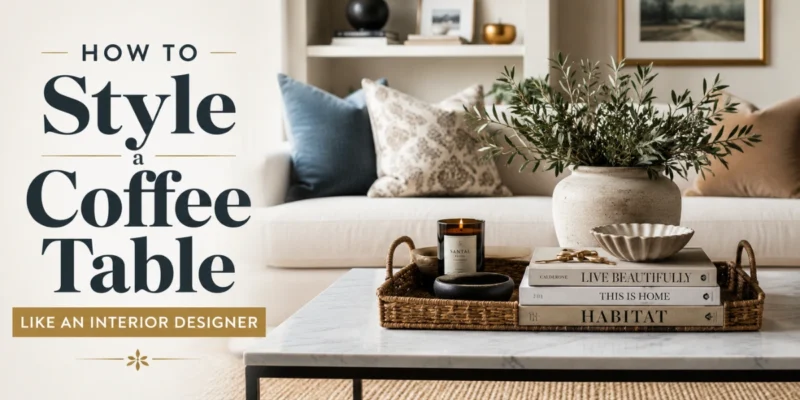
By There’s a reason your coffee table always feels slightly off — even after you’ve rearranged it four times. Styling a coffee table isn’t about filling space. It’s about understanding proportion, visual weight, and restraint. Interior designers make it look effortless because they follow a few core principles that most people never hear about.
Whether you’re working with a small round table in an apartment or a large rectangular one in a spacious living room, knowing how to style a coffee table like an interior designer can completely transform the feel of your space — without buying anything new.
Why Coffee Table Styling Matters More Than You Think
Your coffee table sits at the center of your living room. It’s the first thing guests see when they walk in, and it’s the surface your eyes naturally land on when you’re sitting on the sofa. A well-styled coffee table anchors the room. A cluttered or sparse one quietly undermines everything around it.
Professional designers treat the coffee table as a “moment” — a small vignette that tells something about the person living there. The goal isn’t perfection. It’s intentionality.
The Core Rule: Work in Odd Numbers and Varying Heights
Before you place a single item, understand this: odd numbers and varying heights are the foundation of visually interesting coffee table styling.
Groups of three create natural movement for the eye. A single tall item (like a vase or a stack of books), a medium-height item (like a small sculpture or a candle), and a low flat item (like a decorative tray or a small plant) give the eye somewhere to travel. That variation is what separates a styled table from a staged one.
Quick rule of thumb:
- Use 3 to 5 items maximum for most coffee tables.
- Vary heights: tall, medium, low.
- Vary textures: smooth, rough, organic, geometric.
How to Style a Coffee Table Like an Interior Designer: Step-by-Step
Step 1: Start With a Tray or Base
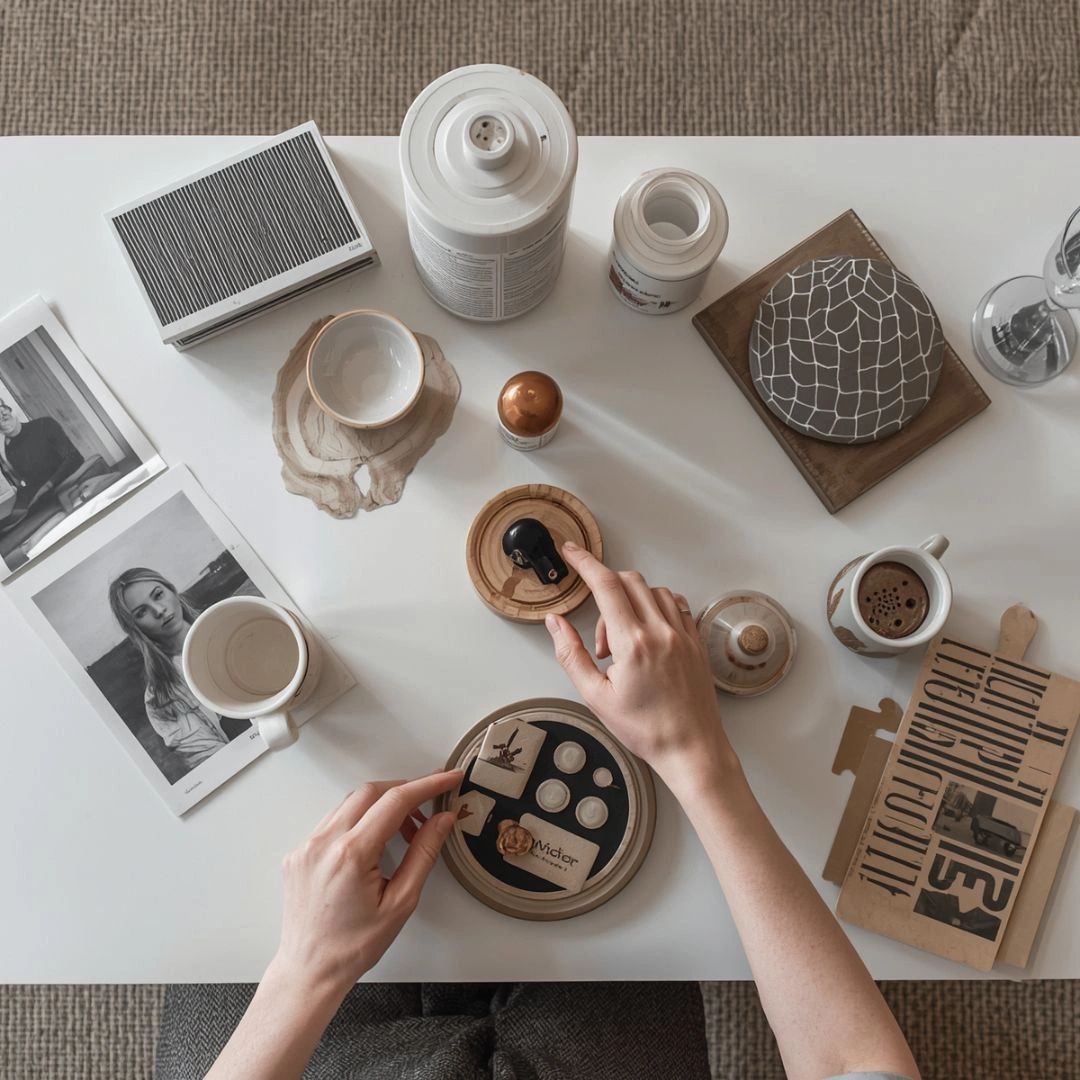
Designers almost always anchor a coffee table arrangement with a tray. Why? It creates a defined zone that signals intention. A tray groups objects together so they look curated rather than scattered.
Choose a tray that’s proportional to your table — roughly one-third to one-half the length of the surface. Materials like rattan, lacquered wood, marble, or hammered brass all work well, depending on your style. If your living room leans coastal or bohemian, a natural woven tray adds warmth. For modern or minimalist spaces, a matte black or white lacquer tray reads clean and deliberate.
Step 2: Add Books for Grounding and Personality
Coffee table books are doing a lot of work in design photography, and for good reason. A small stack of two or three books creates an instant base for other items and adds personality. Designers often place books spine-out or face-up, depending on whether the cover art or the spine is more visually interesting.
A few styling tips:
- Stack books horizontally and layer small objects on top.
- Choose books with color spines that complement (not match) your room’s palette.
- Mix a large-format art or architecture book with a smaller personal title.
Avoid stacking more than three books in one spot — beyond that, it starts to look like a pile rather than a design choice.
Step 3: Introduce a Natural Element
Nothing makes a coffee table feel alive like something organic. A small potted succulent, a low bowl of dried botanicals, a branch of eucalyptus, or even a single stem in a bud vase brings softness to what can otherwise feel like a flat arrangement.
Interior designers reference this as adding a “living element” — it softens hard edges and makes the space feel inhabited rather than styled for a photo shoot. If you don’t have a green thumb, dried pampas grass or preserved moss in a small vessel works beautifully and lasts indefinitely.
Step 4: Layer in Texture and Materiality
One of the most overlooked aspects of coffee table styling is material contrast. A glass table needs something warm — wood, woven fiber, ceramics. A wooden table can handle something cool — marble, metal, or glass objects.
Think about what you’re working with:
- Marble or stone table: Add warm wood accents, soft textiles, warm-toned candles
- Wood or reclaimed surface: Try a small stone object, metallic candleholder, or ceramic bowl
- Glass or acrylic table: Use heavier visual anchors — chunky ceramics, stone, lacquered boxes
The contrast between materials is what creates visual interest. Matching everything to one material or finish makes the arrangement feel flat.
Step 5: Add Light — Candles or a Small Lamp
Candles are one of the most effective and underused coffee table styling tools. A low pillar candle or two taper candles in a sculptural holder immediately adds atmosphere. They don’t need to be lit to look good — their shape and texture do the work.
If your table is large enough and positioned near a sofa outlet, a small table lamp can be unexpectedly stunning. Designers like to place a very low-profile lamp — think a squat ceramic base with a small drum shade — on a coffee table to create a warm, layered light source in the evening. It’s unconventional, which is exactly why it works.
Step 6: Leave Breathing Room
This is where most people go wrong. They fill every inch, then wonder why it looks busy. Negative space — the empty areas of your table — is not wasted space. It’s what allows your styled items to breathe and be noticed.
Aim to leave at least 30–40% of your table surface completely clear. This also serves a practical purpose: people actually use coffee tables to set down drinks, remote controls, and books. Leaving functional space makes your arrangement sustainable rather than something that gets dismantled the moment someone sits down.
Coffee Table Styling Ideas by Table Shape
Rectangle Coffee Tables
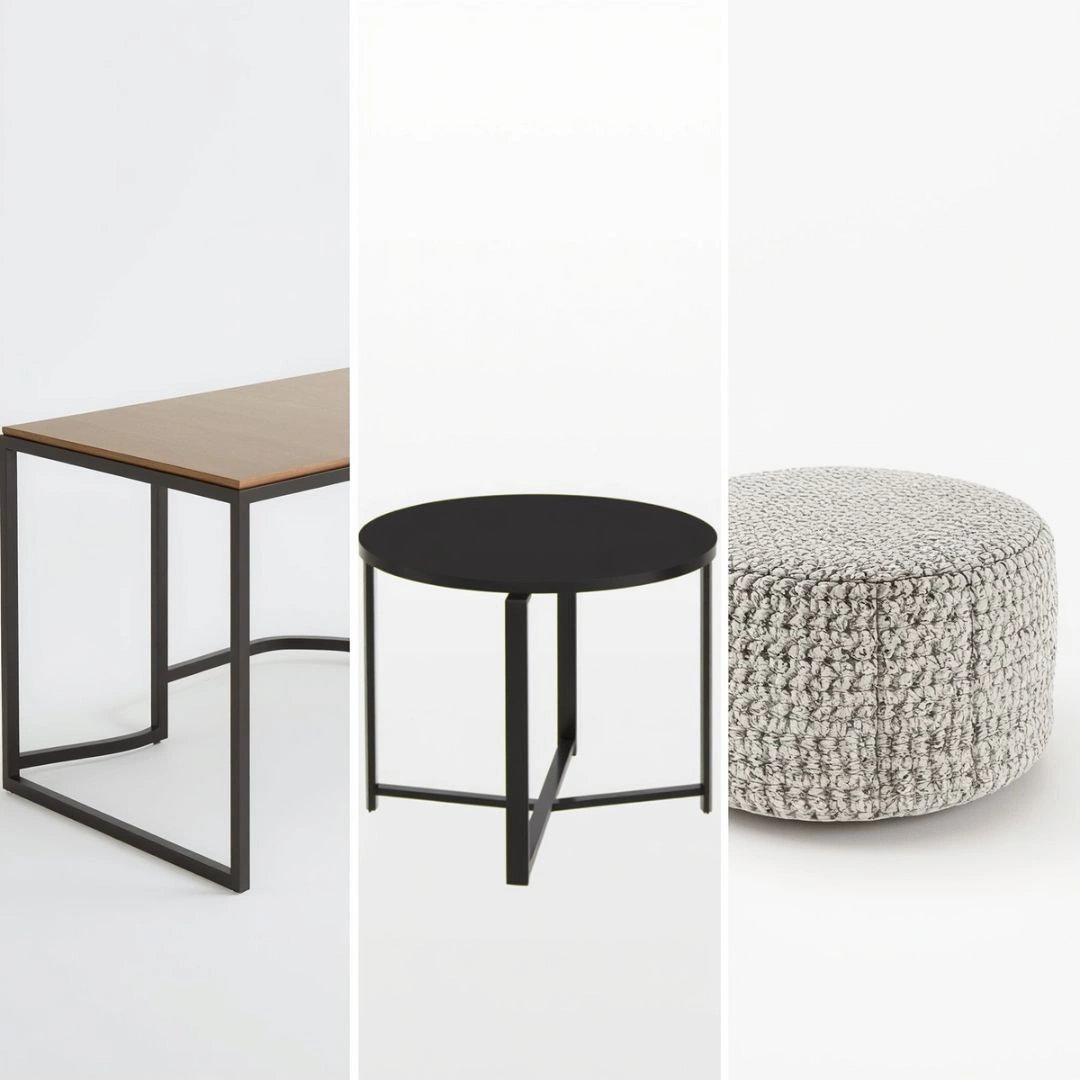
Rectangular tables give you the most flexibility. Use a tray on one end for your main vignette, and leave the opposite end relatively clear or place a single low bowl or a plant. Designers often treat the two ends as separate “zones” — one styled, one functional.
Round Coffee Tables
Round tables are trickier because there are no corners to anchor objects. Keep things centered and lower in height so nothing feels like it might topple. A single large tray with a few items inside is often the cleanest approach. Avoid multiple clusters — they compete on a round surface.
Small or Ottoman-Style Tables
If you have an upholstered ottoman doubling as a coffee table, a sturdy tray is essential — it creates a firm surface and defines the styled area. Keep items lightweight and low-profile. Heavy ceramics or tall items look awkward on fabric surfaces.
Common Coffee Table Styling Mistakes to Avoid
Even with the best intentions, a few missteps can undo an otherwise beautiful arrangement:
Matching sets. Pre-packaged “coffee table sets” from big-box retailers tend to look generic. Mixing pieces from different sources — a flea market find, an heirloom object, a recent purchase — gives a table character.
Everything is at the same height. This is the single most common mistake. Varying heights create rhythm. If every item sits at roughly the same level, the table looks static.
Overcrowding. More is not more when it comes to surface styling. Start with fewer items than you think you need. Add one thing at a time and step back. You’ll likely find that less creates more impact.
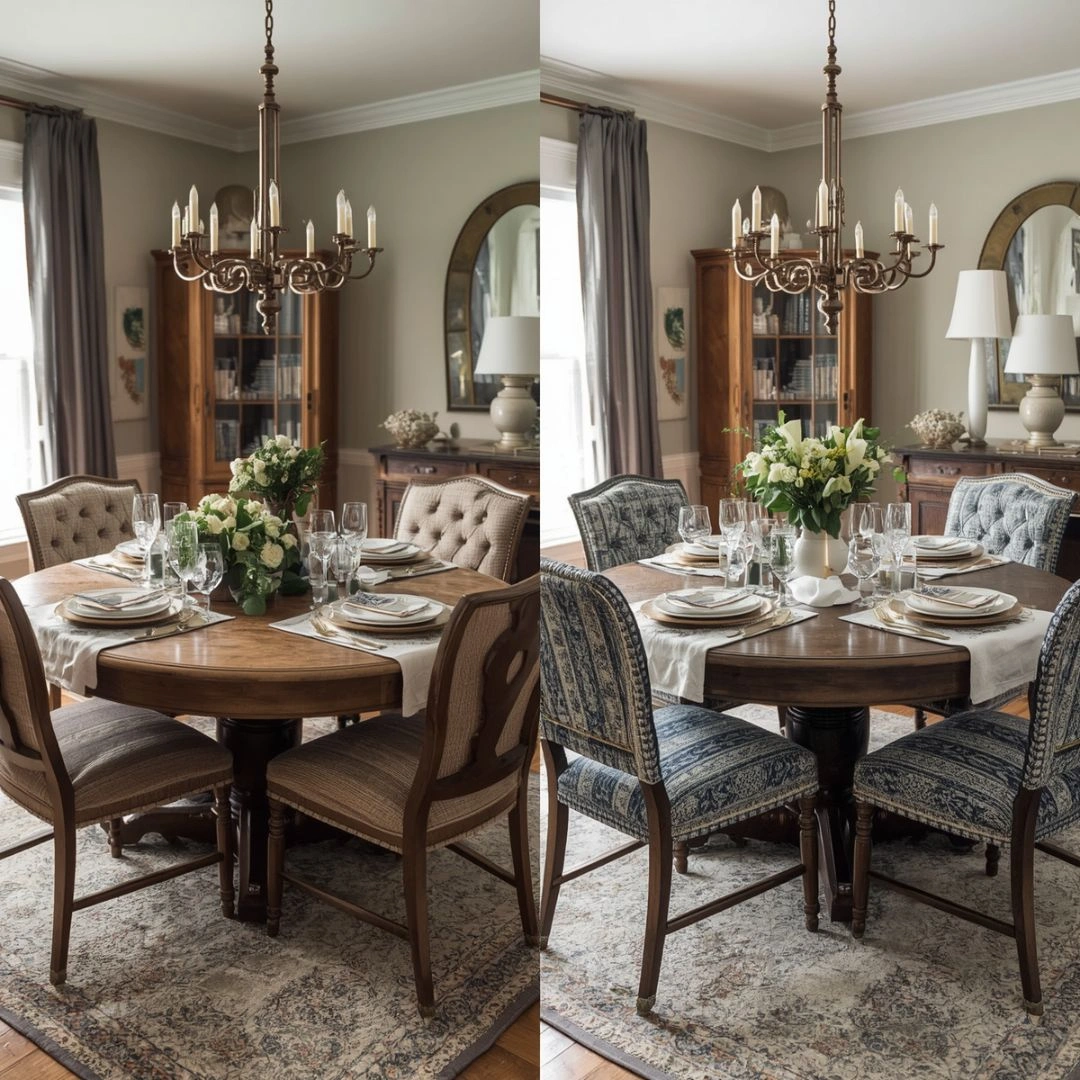
Ignoring the room’s palette. Your coffee table doesn’t exist in isolation. The objects you choose should pull from colors already present in your pillows, artwork, or rug — not introduce three entirely new colors into the room.
Seasonal Coffee Table Styling: Keep It Fresh
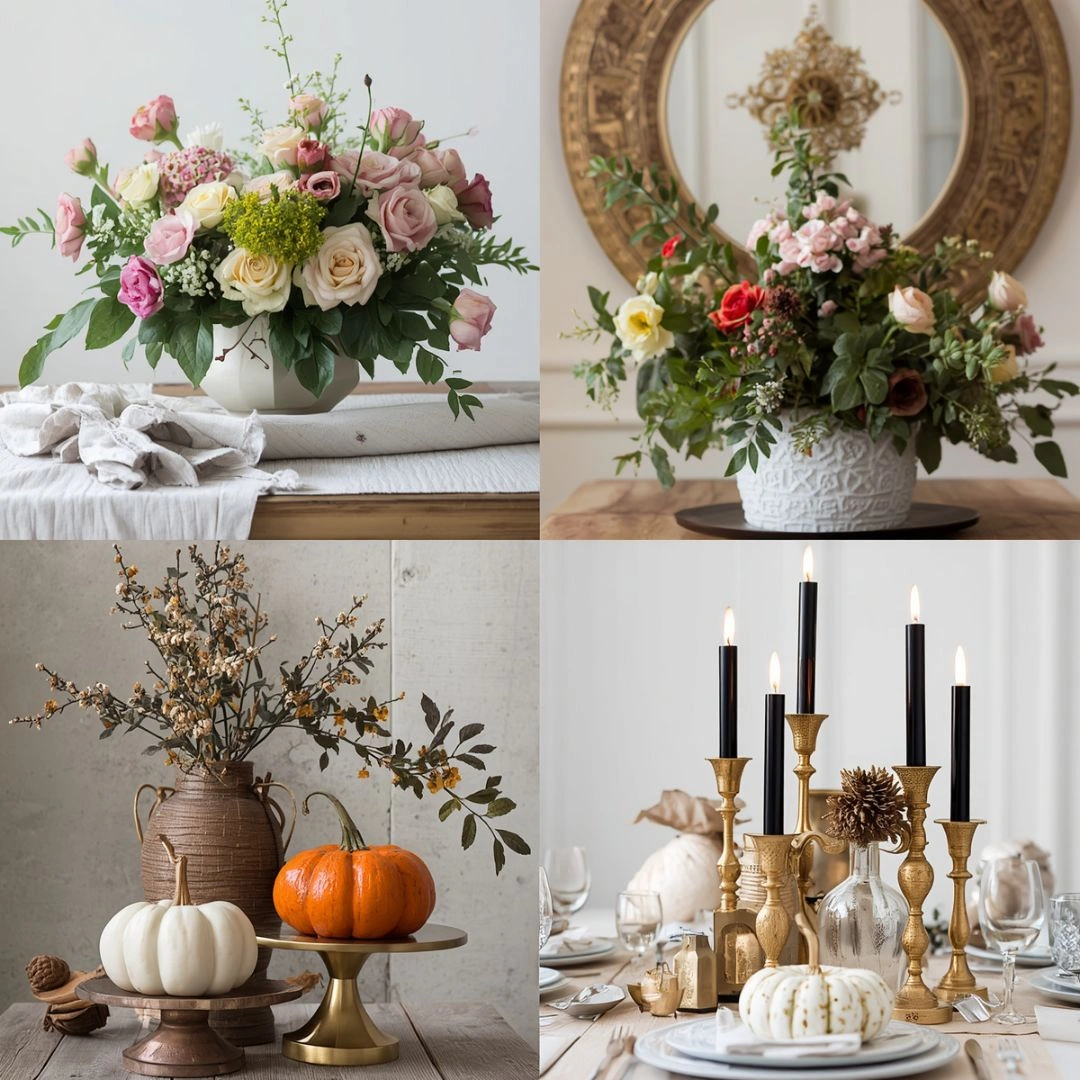
One habit professional designers have is refreshing surface styling seasonally. You don’t need to completely overhaul your table — swapping one or two elements is enough to keep a room feeling current.
- Spring/Summer: Swap heavy candles for a light bud vase with fresh flowers, introduce brighter or pastel accents, and add a linen or cotton texture
- Fall: Bring in warm tones — amber glass, terracotta vessels, dried botanicals, pinecones, or a small pumpkin for October
- Winter: Layer in richness — brass candleholders, a cozy stack of holiday books, velvet textures, a bowl of ornaments used decoratively
Small seasonal shifts keep your living room feeling alive without requiring a full redesign.
A Note on Budget: Great Styling Doesn’t Require Expensive Objects
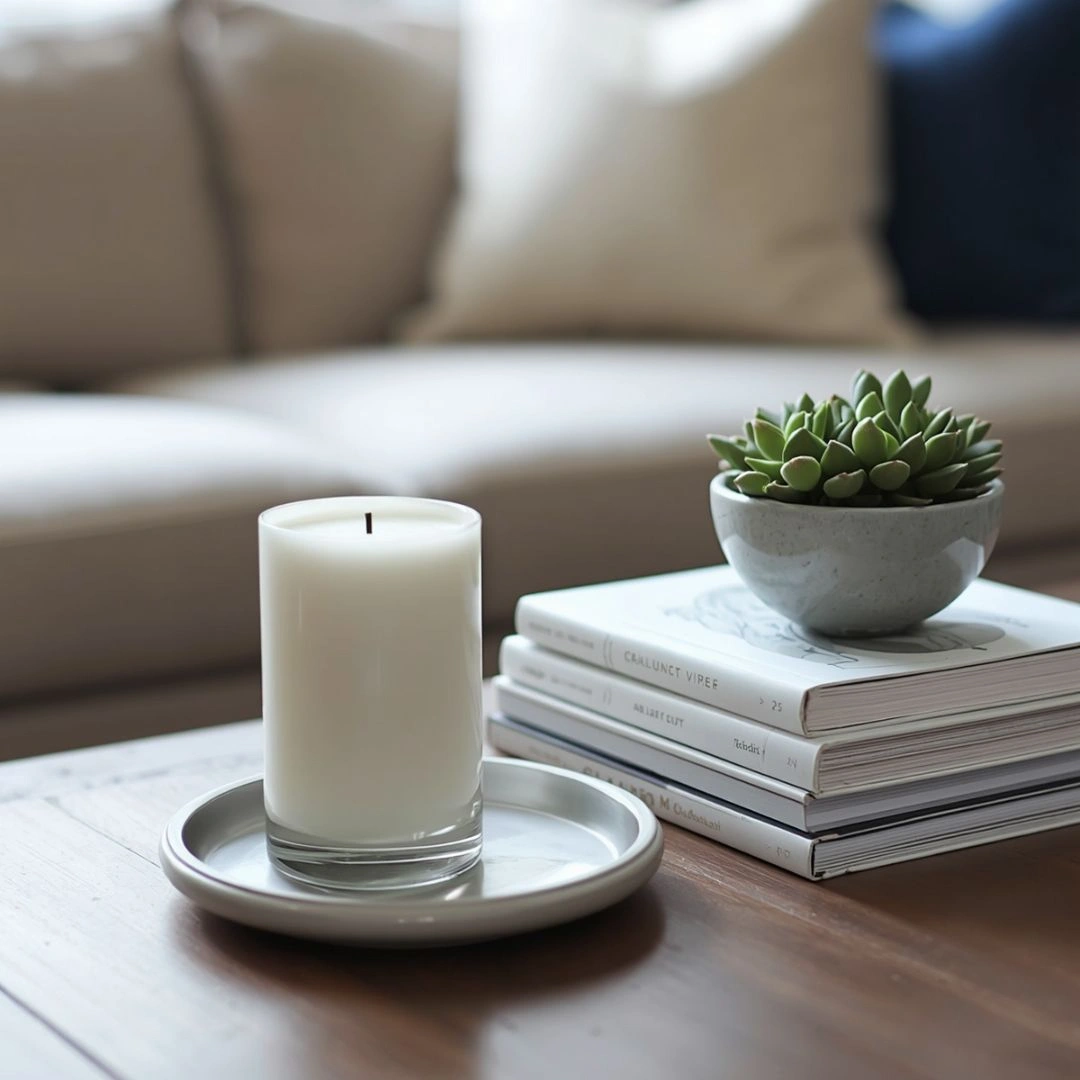
Here’s something worth saying plainly: the most beautifully styled coffee tables often feature inexpensive items. A $4 pillar candle from a craft store, a $12 thrifted ceramics bowl, a stack of books from your shelf, a cutting of greenery from your backyard — these can look better than a $300 curated set if they’re arranged thoughtfully.
The skill is in the arrangement, not the price tag. Proportion, contrast, and restraint don’t cost anything.
Conclusion: Style Your Coffee Table With Intention
Knowing how to style a coffee table like an interior designer comes down to a handful of principles: work in odd numbers, vary your heights, anchor with a tray, include a natural element, contrast materials, and leave space to breathe. The goal isn’t a photo-perfect surface — it’s one that feels considered, personal, and functional.
Start with what you already own. Rearrange before you buy. And remember that every beautiful coffee table you’ve seen in a design magazine was carefully edited, not decorated. Less, arranged well, always wins.
A Few Extra Ideas You Might Like
- What Can I Put in an Empty Corner of Living Room
- How to Choose the Perfect Living Room Curtains (Without Overthinking It)
- How to Brighten a Living Room with Dark Furniture (Pro Design Tips)
- Top 12 Modern Coastal Living Room Ideas on a Budget
- 12 Best Flower Decor Ideas For Living Room That Feel Calm
FAQs
Q: How many items should I put on a coffee table?
Most designers recommend 3 to 5 items grouped thoughtfully, with at least 30–40% of the surface left open. Less is almost always more.
Q: What should go on a coffee table?
A curated mix works best: a tray or base, stacked books, a natural element (plant, botanicals), a candle or sculptural object, and one personal or unexpected item. Each element should vary in height and texture.
Q: How do I style a coffee table with a tray?
Place the tray on one portion of the table — ideally one-third to one-half the surface — and group 3 to 4 items within it. Keep the rest of the table minimal. The tray creates a defined vignette and keeps the styling from looking scattered.
Q: What books look good on a coffee table?
Large-format books on art, architecture, travel, photography, or fashion work well. Choose books with spines or covers that complement your room’s color palette. Stack two to three books and use them as a base for a small object on top.
Q: How do I style a round coffee table?
Focus on a centered, low arrangement. A single tray with a few items grouped inside works cleanly. Avoid multiple clusters, which compete visually on a round surface without corners to anchor them.
Q: How often should I update my coffee table styling?
Refreshing one or two items seasonally keeps your space feeling current. You don’t need a full overhaul — swapping a candle, adding fresh flowers, or changing a small decorative object every few months is enough.