 By
By Let’s be honest. Curtains don’t sound exciting.
Until you hang the wrong ones.
Then suddenly your living room feels… off. Too dark. Too short. Too empty. Too flat. And you can’t figure out why.
Curtains can change your living room. They soften sunlight, make ceilings look taller, add warmth, and tie the room together. The right ones finish a room. The wrong ones make it feel incomplete.
The good news? Choosing them doesn’t have to be complicated.
Let’s walk through this in a simple, no-stress way. This guide explains How to Choose the Perfect Living Room Curtains.
First Things First — What Do You Actually Need?
Before picking colors or browsing photos, ask: What do I need these curtains to do?
Is your living room super bright in the afternoon? Are neighbors basically living in your window? Does the room feel dark already? Do you watch TV in there during the day?
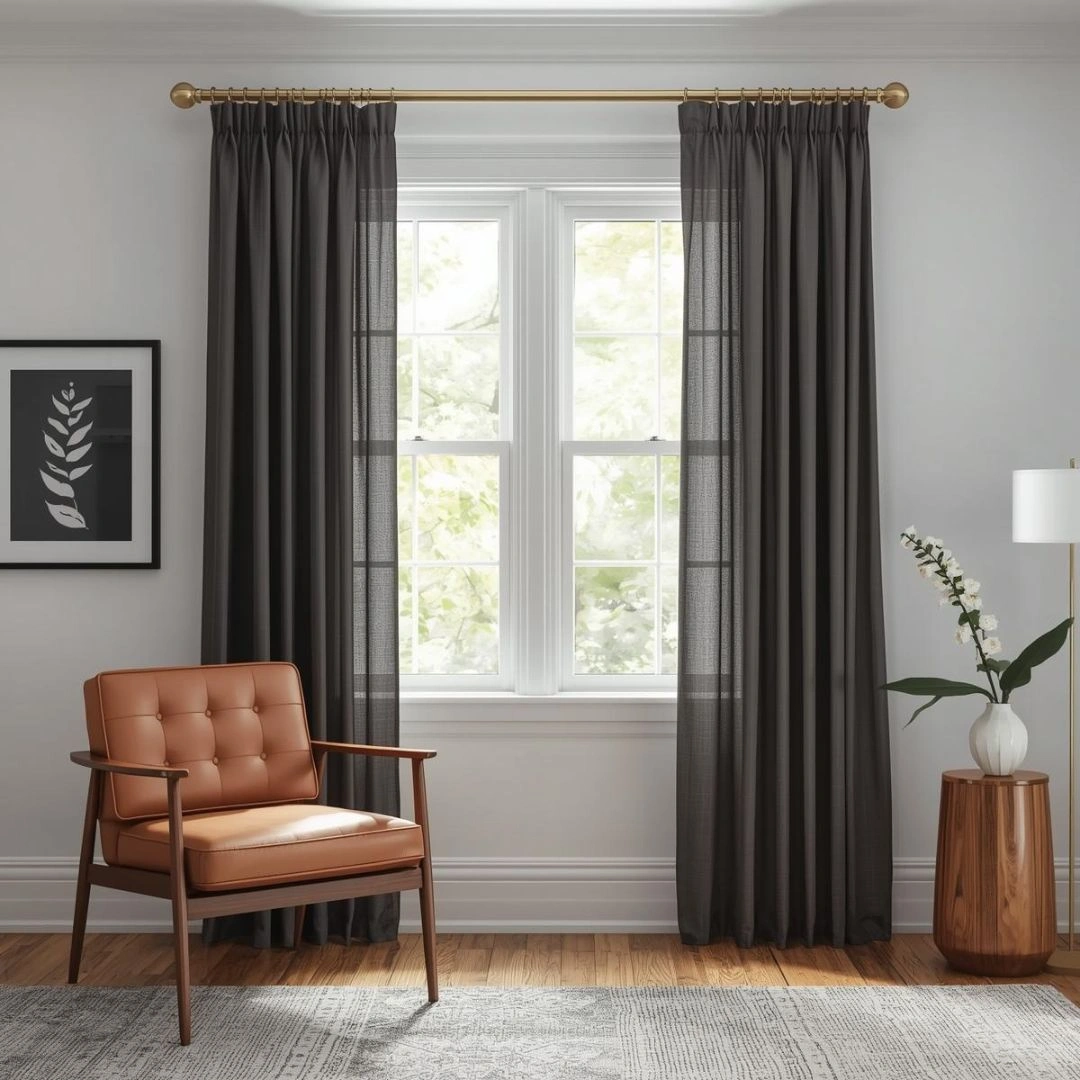
Intense sunlight? Choose thick or room-darkening curtains. They reduce glare, protect furniture, and add comfort.
If your room already feels dark, heavy curtains will make it gloomier. Go lighter. Sheer or light-filtering curtains let in sunshine while softening the space.
If privacy comes first, layer your curtains: sheers for day, thick panels for night. You’ll have both light and privacy.
Start with the function. Everything else becomes easier after that.
Fabric: This Changes the Mood More Than You Think
Fabric affects a room’s entire feel, not just its looks.
Let’s break it down in simple terms:
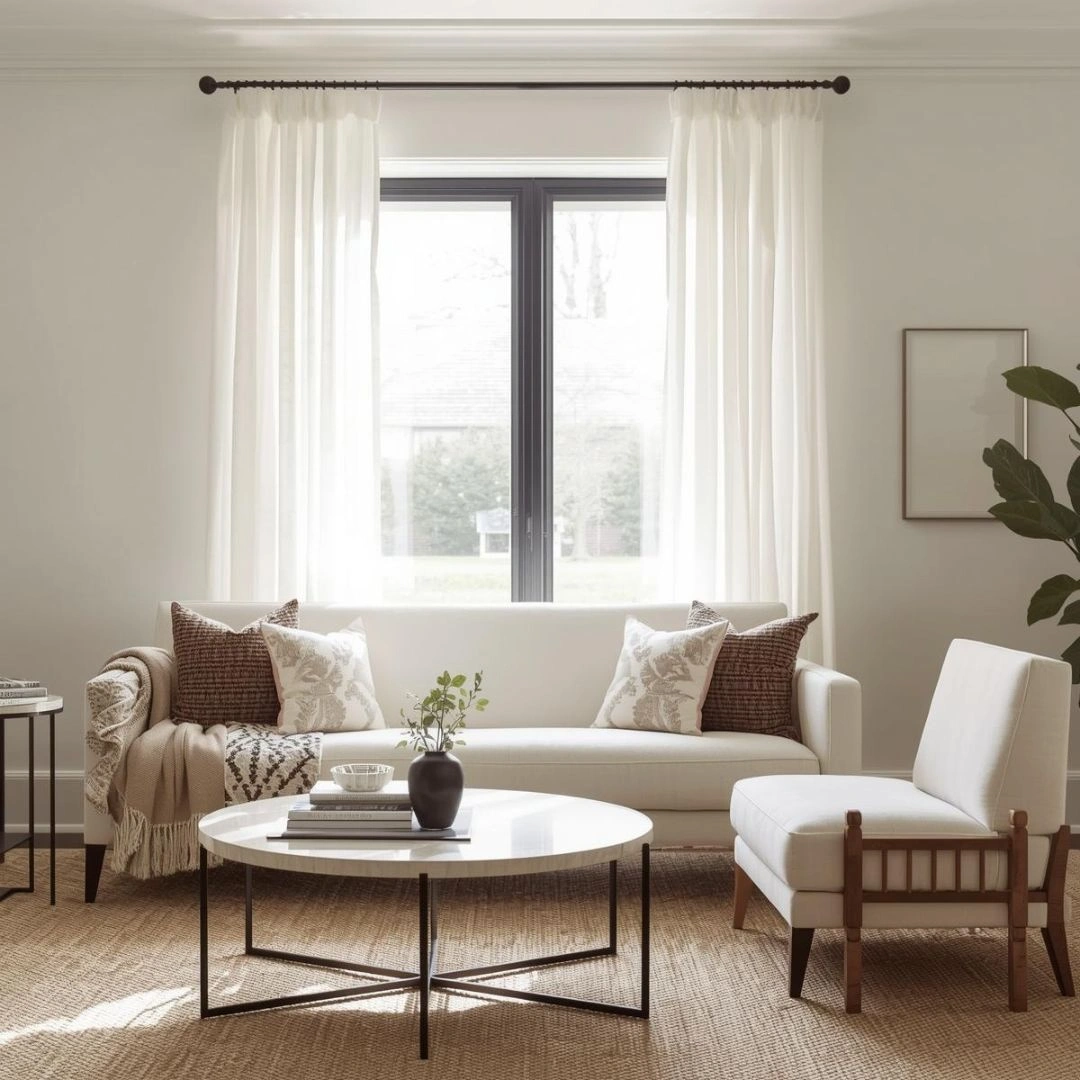
- Linen feels light, airy, and relaxed. It lets light through and creates a calm, fresh vibe.
- Cotton is a safe choice. It works anywhere, is easy to clean, and comes in many colors and patterns. Unsure? Cotton rarely disappoints.
- Velvet is dramatic, cozy, and a little fancy. It adds richness and warmth, especially to big spaces.
- Sheers are soft and dreamy. They don’t block much light but make a room feel bright and open.
Tip: Hold fabric samples up to your window. Light changes their look completely.
Okay… But What Color Should You Choose?
This is where most people freeze.
Should curtains match the sofa? The walls? The rug?
Relax. They don’t have to match perfectly.
Here’s an easy way to decide:
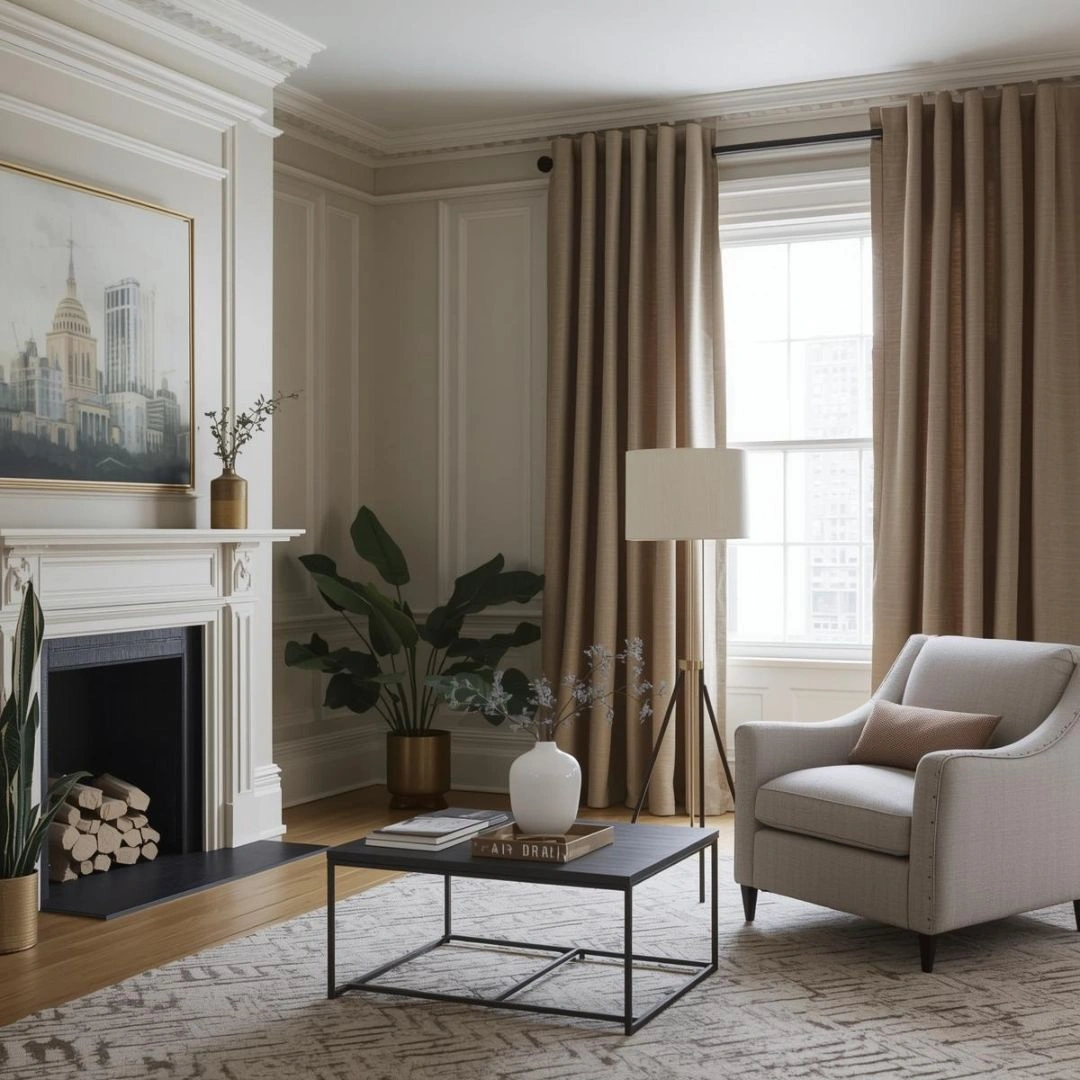
If your living room already has bold colors or patterns, go neutral. Cream, beige, soft gray, or white can help calm everything down.
If your living room is plain, let the curtains add personality with rich colors like deep navy, forest green, terracotta, or charcoal.
Designers use this simple rule: 60% main color (walls, large furniture), 30% secondary color, 10% accent color.
-
30% secondary color
-
10% accent color
Curtains usually count as a secondary or accent color.
Lighter curtains make rooms feel bigger and brighter. Dark ones create a cozy, intimate feel.
Either option is fine. Choose the mood you prefer.
Curtain Length: This Is Where Most People Mess Up
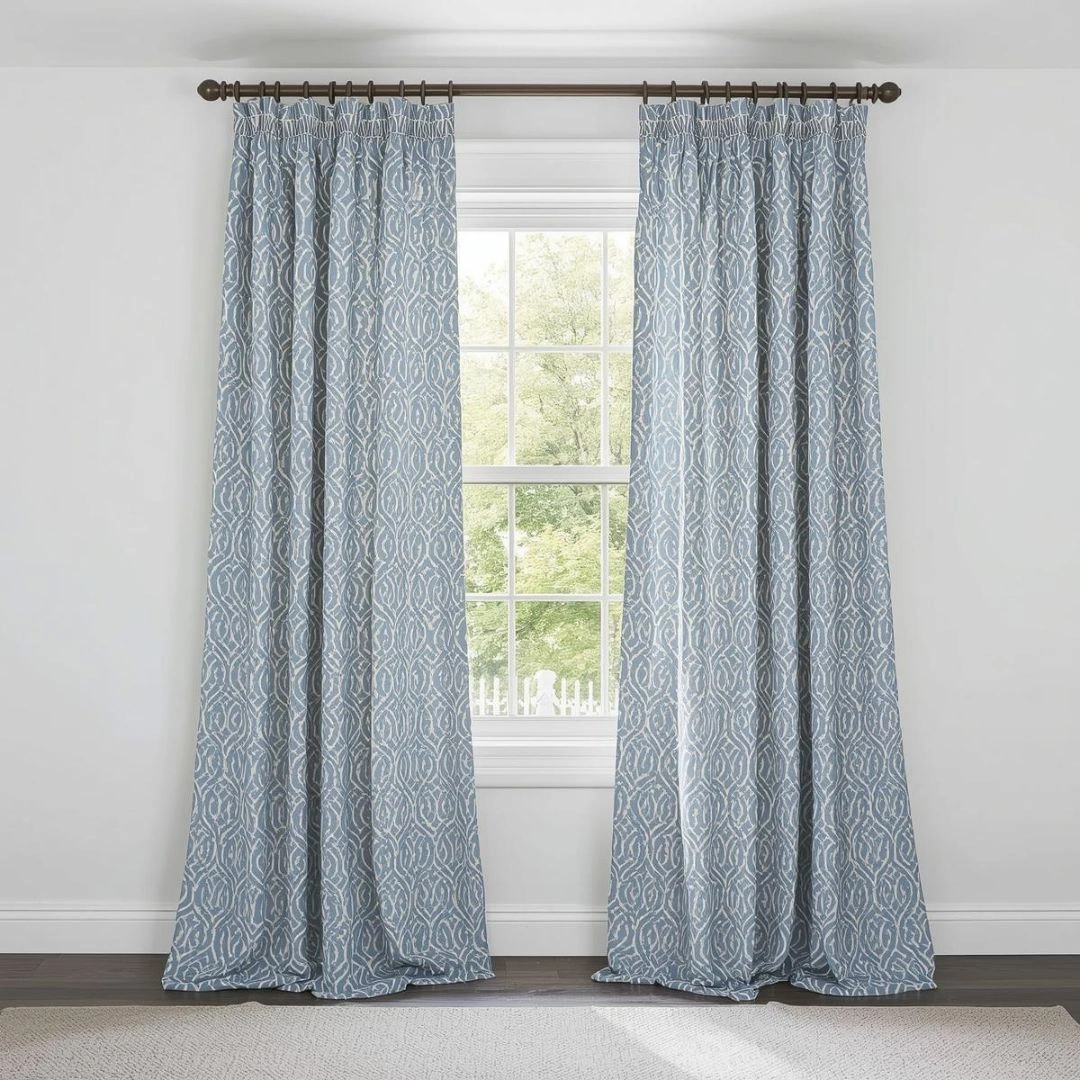
If you remember one thing, remember this: short curtains almost always look wrong.
They make ceilings look lower, and windows look smaller.
Choose floor-length curtains.
There are three common styles:
Hover – Curtains just barely touch the floor. Clean and modern.
Slight break – About an inch of fabric touching the floor. Relaxed but polished.
Puddle – Extra fabric pooling on the floor. Dramatic and romantic.
Most living rooms look best with a hover or slight break.
And here’s a designer trick that makes a HUGE difference:
Hang your curtain rod 4-8 inches below the ceiling, not the window frame.
It instantly makes your ceilings look taller, and the space feels larger.
Don’t Forget Width (Flat Curtains = Sad Curtains)
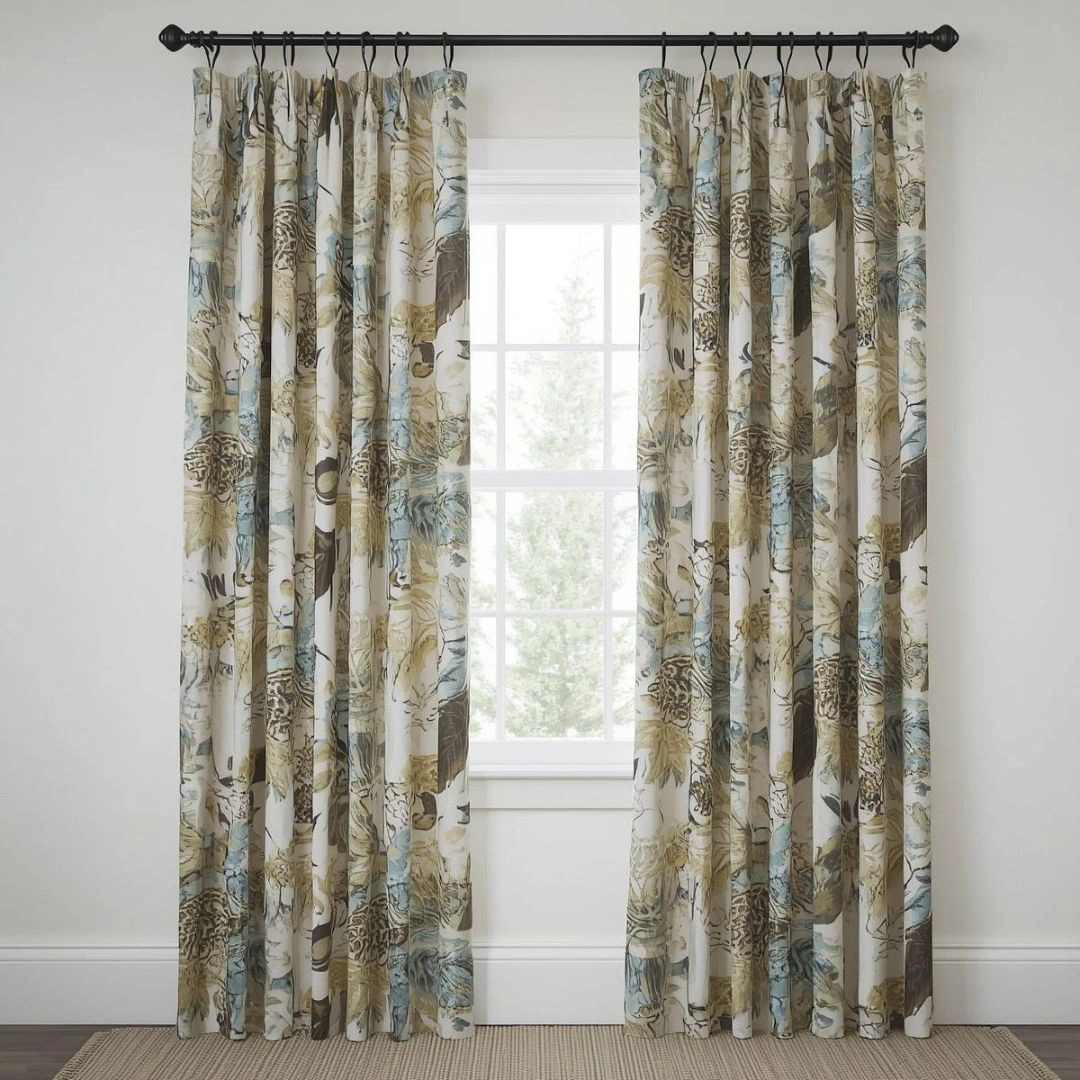
Ever seen curtains that look stretched and awkward when closed?
That’s usually because they’re not wide enough.
Curtain panels should be 2 to 2.5 times the width of your window.
A 60-inch window needs at least 120 to 150 inches of curtain width.
Full curtains look luxurious. Skinny curtains look unfinished.
More fabric = better drape = better overall vibe.
Layering = Instant Upgrade
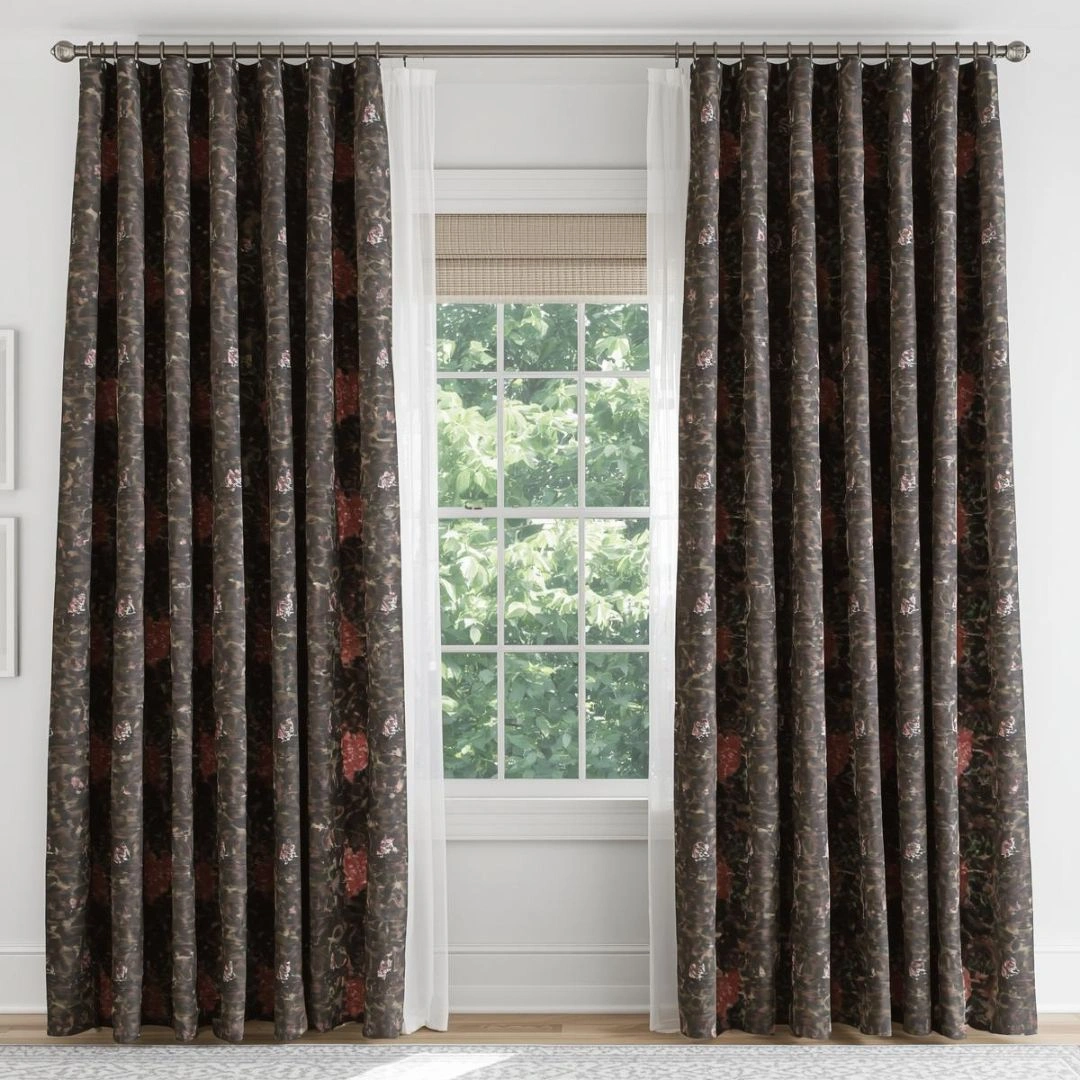
If you want your living room to look more styled and put together, layering is the secret.
Pair sheer curtains with heavier panels.
During the day, keep the sheers closed for soft light and a bright space. At night, close the thicker curtains for a cozy and private feel.
Layering adds depth and makes windows look intentional, not like an afterthought.
Layered curtains look more expensive.
Curtain Rods Matter More Than You Think
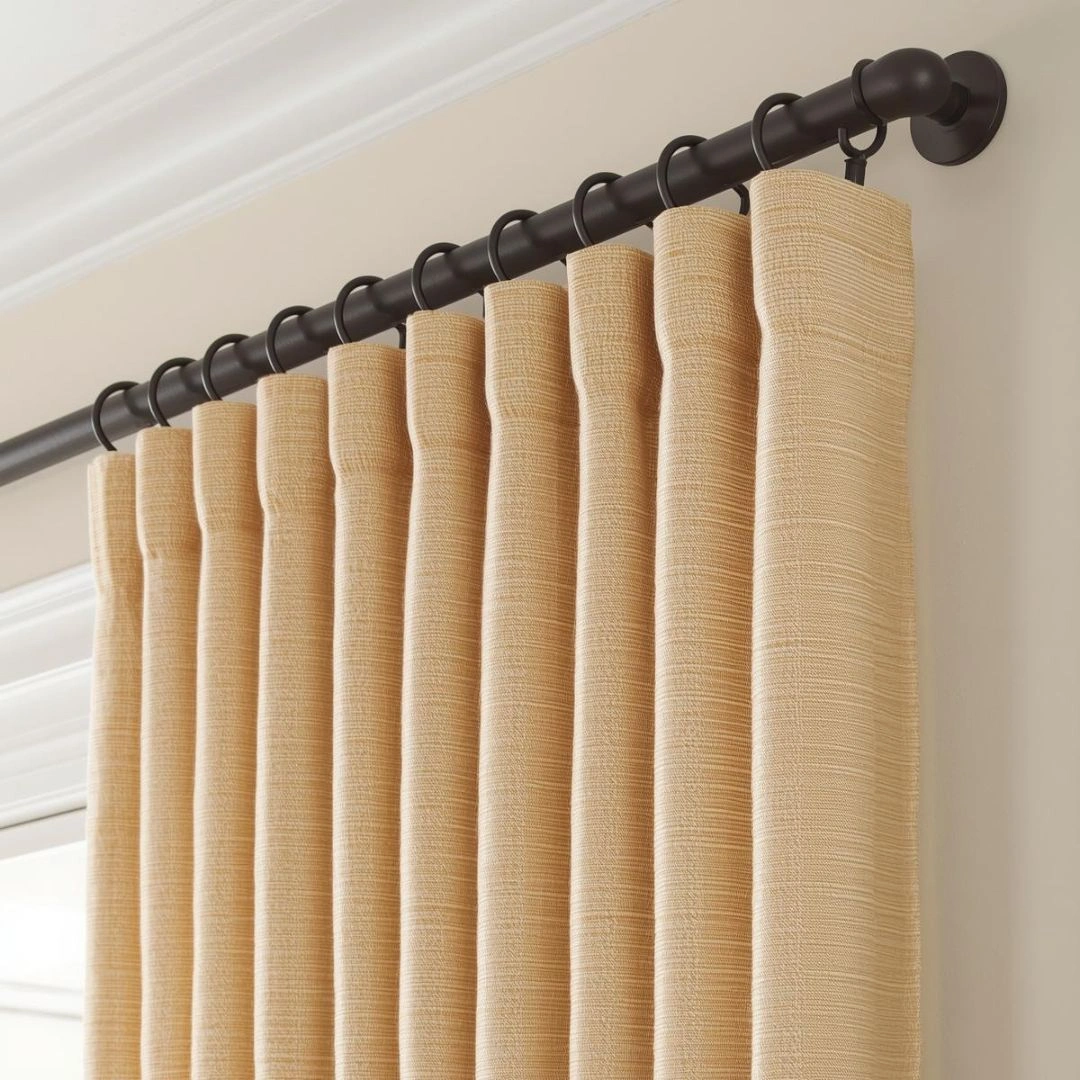
Curtain hardware isn’t just functional. It’s part of your decor.
For modern rooms, black, matte, or brushed metal rods look sleek.
For warmer, traditional spaces, use brass or antique bronze for character.
Extend the curtain rod 8-12 inches past the window frame.
This makes the curtains sit fully off the window when open, letting in more light and visually widening the window.
It’s a small detail that makes your room feel finished.
Do Curtains Have to Match Everything?
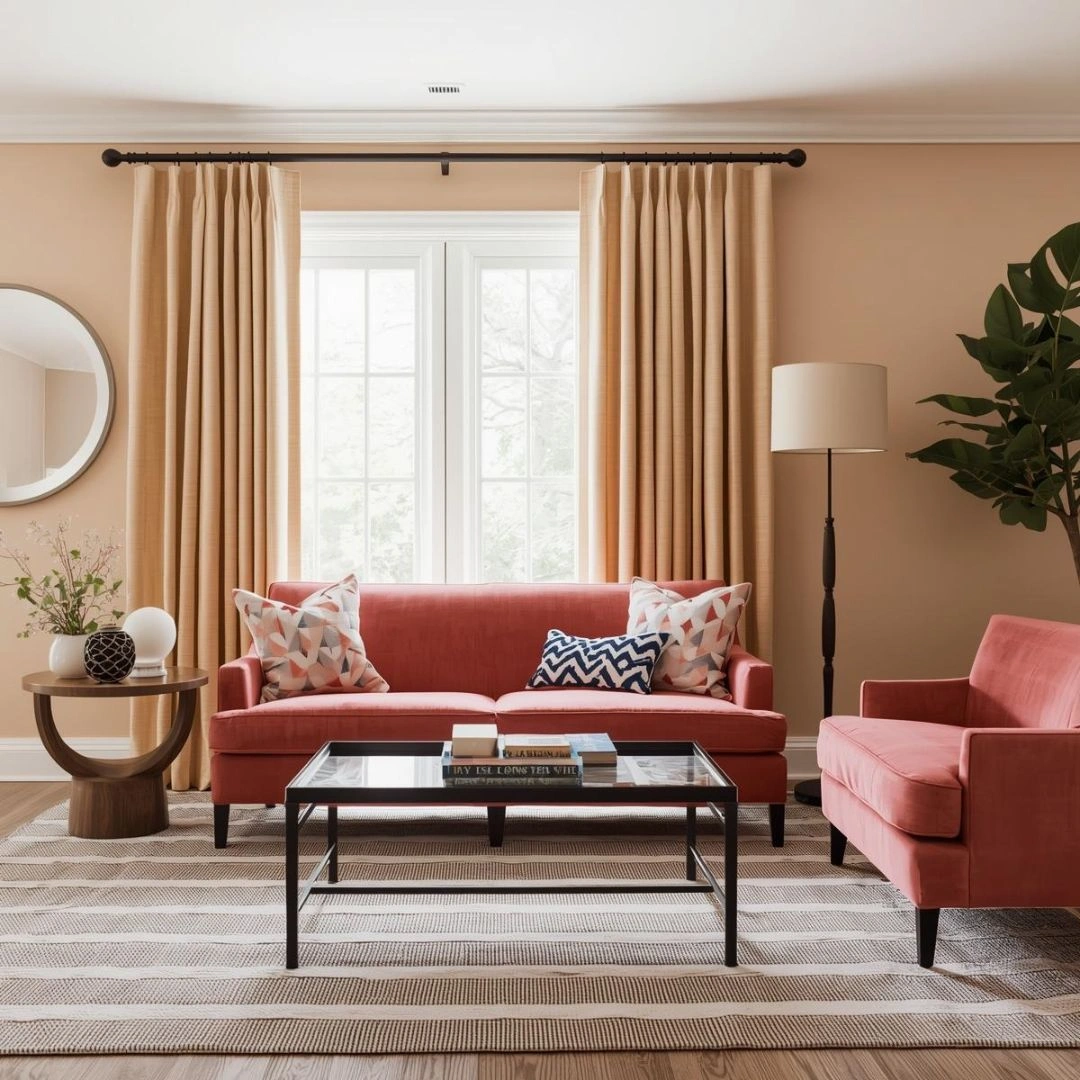
No.
Curtains just need to fit your room’s overall color story.
If you want everything to look soft and seamless, choose curtains that match your wall color.
For contrast, pick a complementary color.
Matching your sofa exactly can look too planned.
Think “coordinated,” not “identical.”
Final Thoughts (Keep It Simple)
Curtains aren’t just fabric on a rod.
They:
-
Soften light
-
Add privacy
-
Create height
-
Bring texture
-
Pull the room together.
Start with your needs (light, privacy, warmth). Choose fabric for your lifestyle. Pick a color for your room’s mood. Measure length and width carefully. Don’t forget the hardware.
Above all, keep things simple and focus on what matters most to you.
When you choose curtains thoughtfully, your living room doesn’t just look better; it feels better.
It feels better.
And that’s really the goal, right?