 By
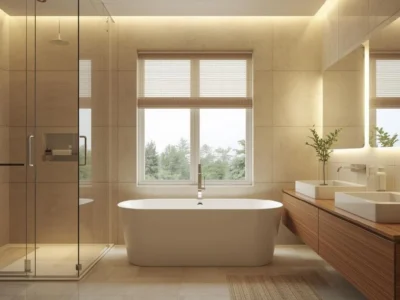
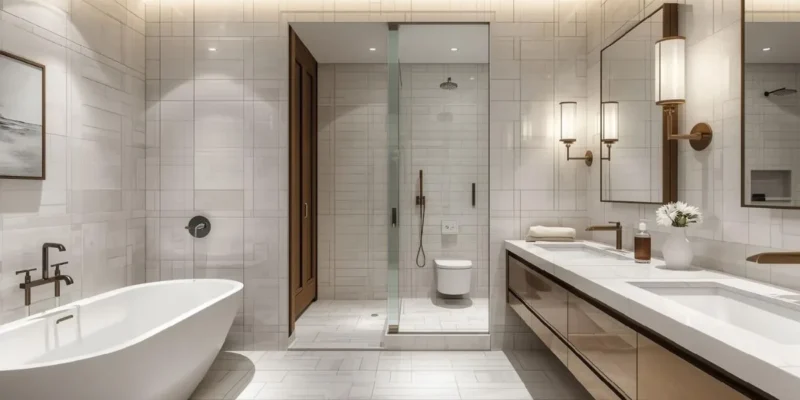
By Bathrooms might be some of the smallest rooms in our homes, but they carry a lot of weight—and the right bathroom tile design ideas can completely change how the space feels. It’s where mornings begin, evenings wind down, and quick breaks turn into quiet moments. When it comes to shaping the look and mood of a bathroom, tile does most of the heavy lifting.
The right tile can make a bathroom feel calm, open, warm, or even a little luxurious. The wrong tile can make it feel busy, cold, or outdated way faster than you expect. That’s why choosing tile isn’t just about trends—it’s about comfort, function, and how you actually live.
This guide is written for real homes across the U.S.—apartments, family houses, rentals, and remodels that need to balance style with practicality. We’ll walk through ideas that make sense, explain why they work, and help you feel confident in your choices without overthinking every detail.
We’re keeping this relaxed, friendly, and honest. No design jargon. No pressure to be perfect. Just smart, realistic Bathroom Tile Design Ideas that help your space feel better every single day.
1. Why Tile Sets the Entire Mood of Your Bathroom
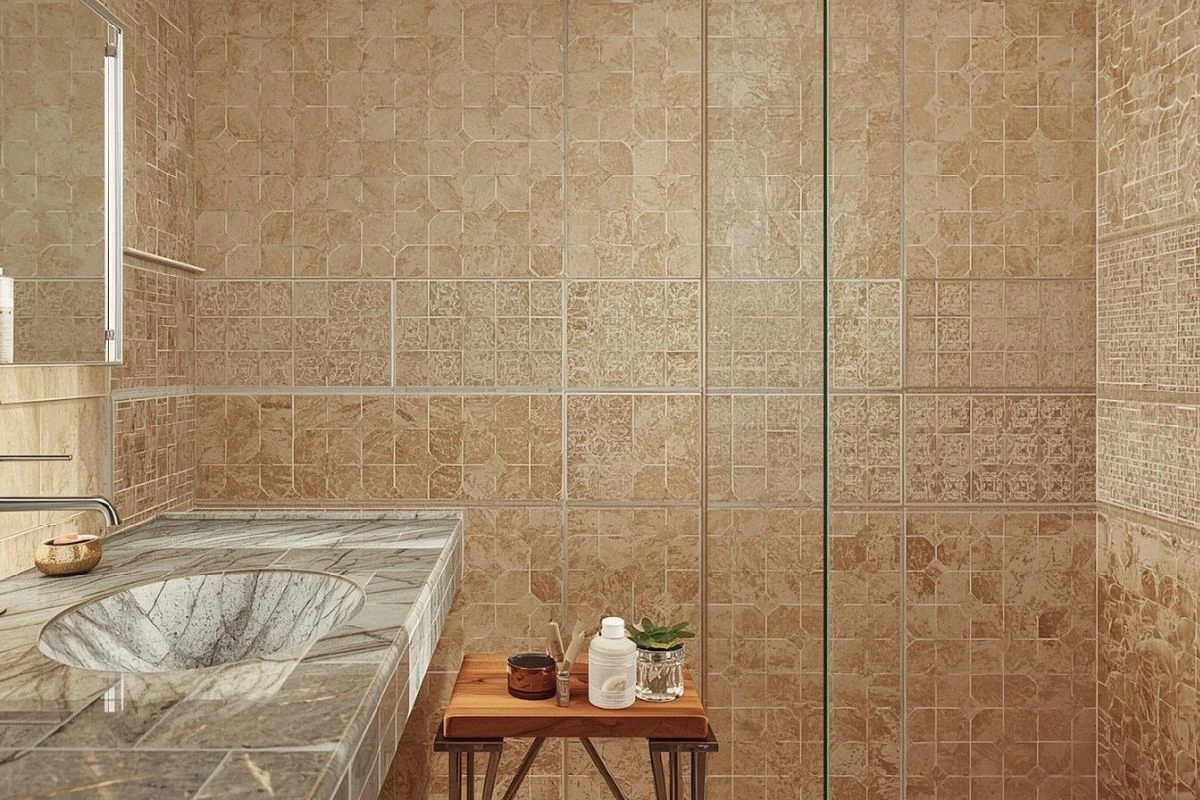
Tile isn’t just a surface—it’s the backdrop for everything else.
The color, texture, size, and layout of your tile all work together to set the emotional tone of the bathroom. Soft neutrals create calm. Natural textures add warmth. Bold patterns add personality. Even grout color plays a role in how the space feels.
In U.S. homes, bathrooms often have limited natural light, so tile becomes even more important. Light-reflecting surfaces can brighten a dark room, while overly busy patterns can make it feel closed in.
Before choosing anything, ask yourself one simple question:
How do I want this bathroom to feel when I walk in?
Calm? Fresh? Cozy? Clean and modern? Let that answer guide every tile decision you make.
2. Classic Tile Styles That Still Feel Fresh Today
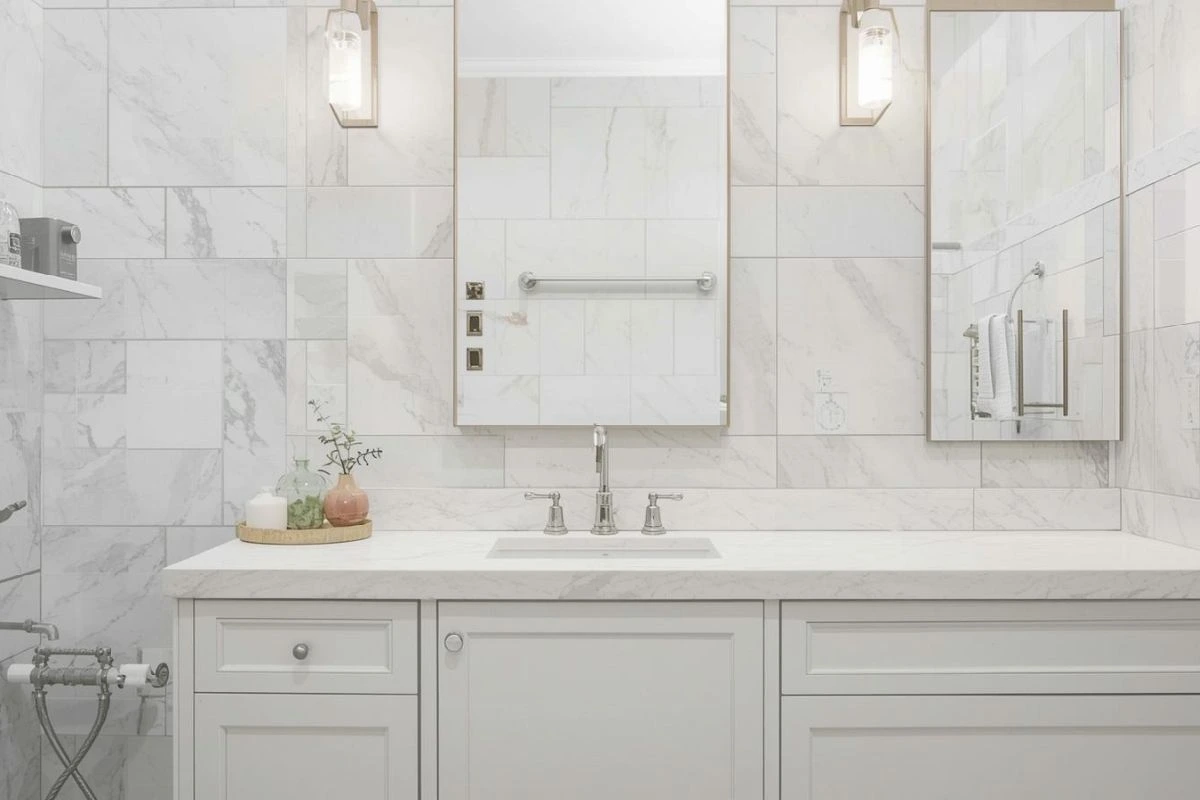
Some tile styles stick around for a reason—they’re reliable, flexible, and easy to live with.
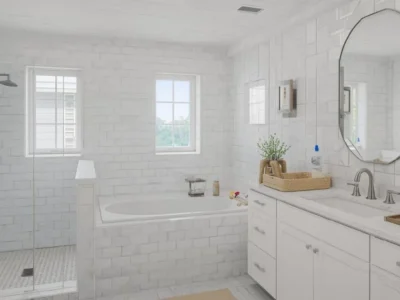
Subway tile is the most obvious example. It’s been used in American homes for decades, and it still works beautifully today. The trick is how you use it. Vertical stacking, soft off-whites, and handmade-style finishes keep it from feeling boring.
Other timeless options include:
- Marble-look porcelain tiles
- Soft stone-inspired tiles
- Neutral ceramic tiles with subtle texture
These tiles create a strong foundation that won’t feel outdated quickly. They’re especially great if you plan to update fixtures or décor over time without redoing the tile.
3. Small Bathroom Tile Choices That Visually Open the Space
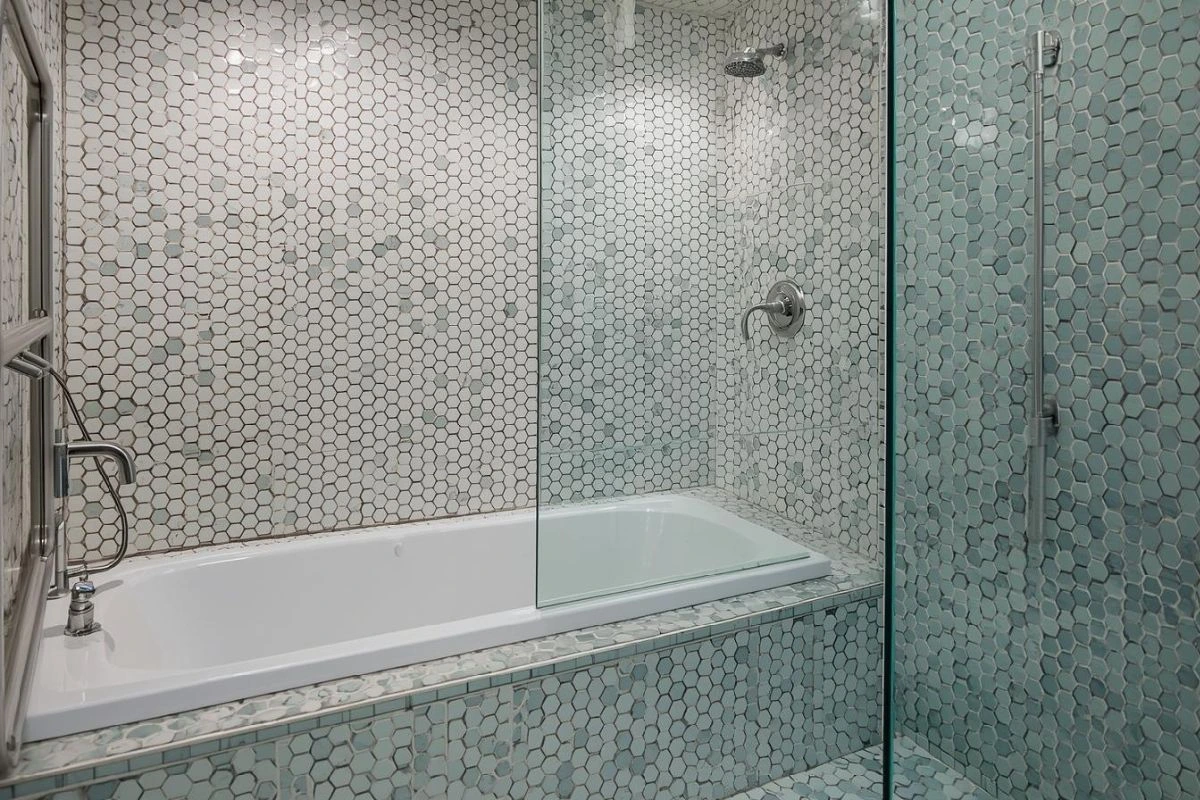
Small bathrooms don’t need small ideas—they need smart ones.
One of the biggest mistakes people make is choosing tiny tiles with lots of grout lines. While they can look charming, they often make compact bathrooms feel busier than they need to be.
Better options include:
- Larger-format tiles that reduce visual breaks
- Light colors that reflect more light
- Simple layouts that don’t compete for attention
Running the same tile from the floor into the shower can also make the space feel more continuous. Many homeowners pair this approach with streamlined fixtures, similar to the design thinking behind 👉 Small Bathroom Vanity Ideas.
When tile and layout work together, even the smallest bathroom can feel surprisingly open.
4. Shower Tile Ideas That Feel Like a Mini Retreat
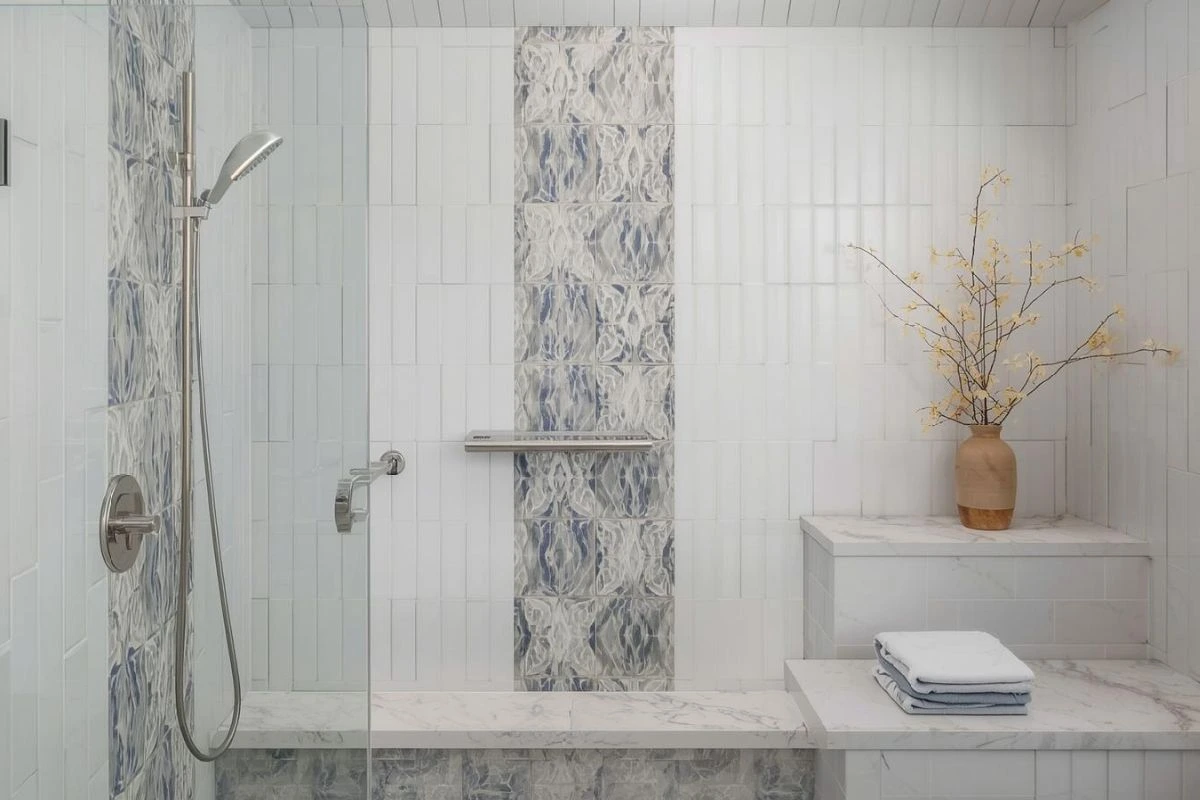
The shower is the perfect place to add personality without overwhelming the entire bathroom.
This is where texture, pattern, and contrast can really shine. A bold tile on the shower back wall creates a focal point, while simpler tiles on the surrounding walls keep things balanced.
Popular shower tile ideas include:
- Vertical tiles that add height
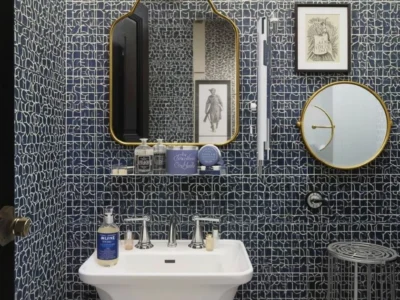
- Soft geometric patterns
- Natural stone looks with subtle movement
Good lighting makes a huge difference here. Tile that looks flat in low light can come alive with the right glow—something that applies across the home, much like the principles shared in 👉 Best Lighting Ideas for Small Kitchens. A well-designed shower should feel calming, not chaotic.
5. Bathroom Floor Tiles That Balance Beauty and Safety
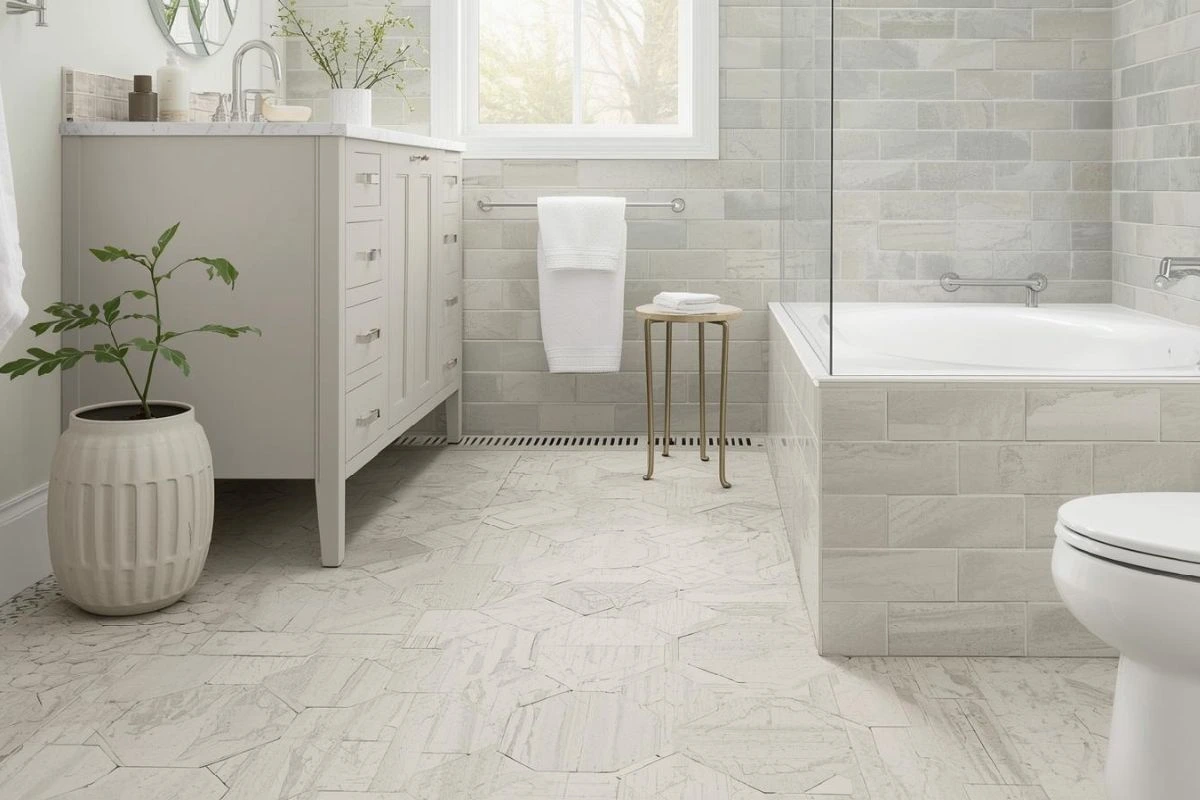
Bathroom floors need to do more than look good—they need to be safe and durable too.
In most U.S. homes, porcelain tile is the go-to choice because it’s water-resistant, durable, and available in countless styles. Matte finishes are especially popular because they provide better grip and hide water spots.
Great floor tile options include:
- Stone-look porcelain
- Hexagon tiles for subtle interest
- Soft patterned tiles in neutral tones
If your walls are bold, keep the floor simple. If your walls are quiet, the floor can add a little character. Balance is everything.
6. Mixing Tile Patterns Without Overdoing It
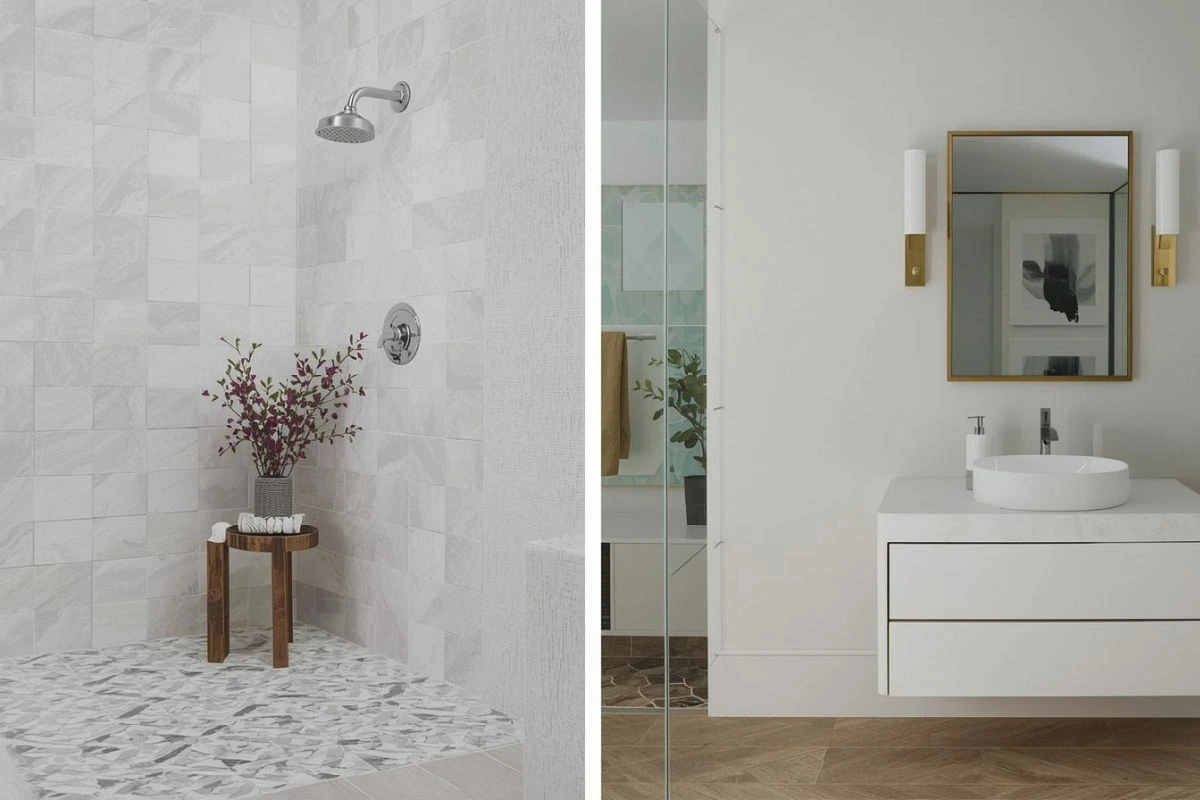
Mixing tile styles can feel intimidating, but it doesn’t have to be complicated.
The key is restraint. Choose one main tile that covers most surfaces, then introduce one secondary tile for contrast or texture. Keep colors within the same family so everything feels intentional.
A simple mix might look like:
- Neutral wall tile
- Patterned shower accent
- Matching floor tile in a matte finish
This layered approach adds depth without making the bathroom feel busy. It’s the same design logic used in other rooms, like when arranging furniture thoughtfully in tight spaces—similar to ideas discussed in 👉 How to Arrange Furniture in a Small Living Room
7. Matte vs Glossy Tiles: Choosing What Fits Your Life
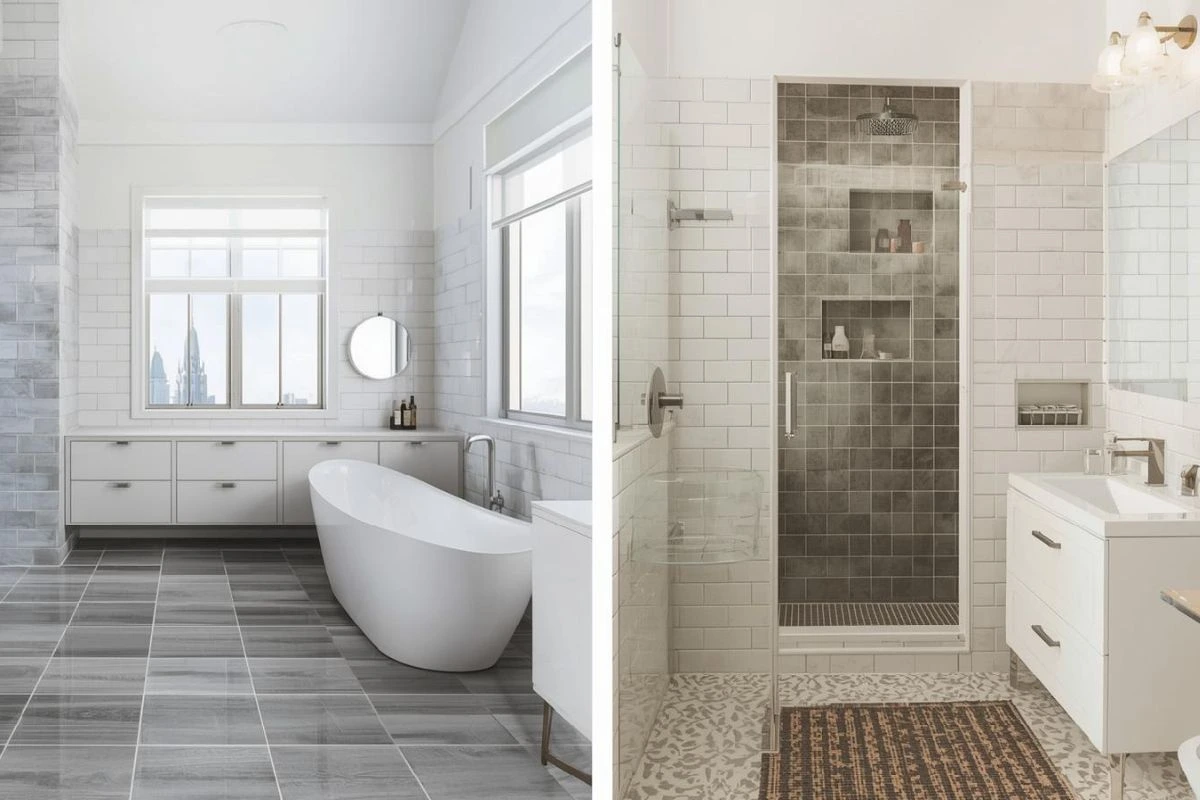
Both matte and glossy tiles have their place—it’s not about right or wrong.
Glossy tiles:
- Reflect light beautifully
- Make bathrooms feel brighter
- Show water spots more easily
Matte tiles:
- Feel softer and more modern
- Hide smudges better
- Offer better traction on floors
Many bathrooms benefit from a mix—glossy tiles on walls and matte tiles on floors. This combination balances style with practicality, especially in homes with kids or shared bathrooms.
8. Natural Stone Looks Without the Maintenance Stress
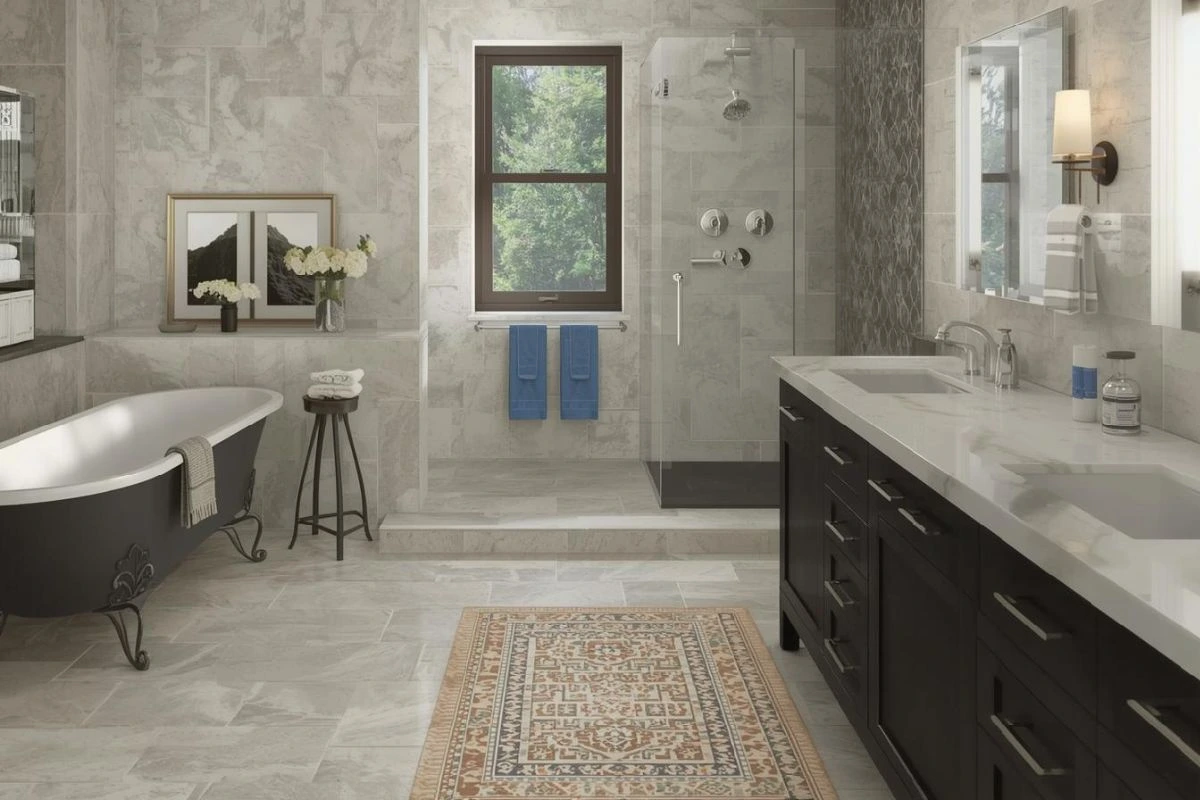
Natural stone is stunning, but it can be high maintenance.
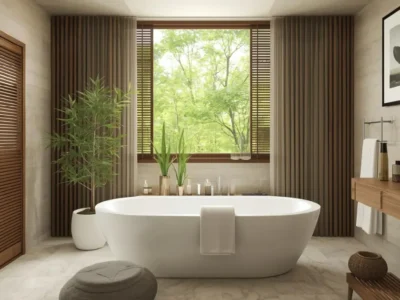
That’s why stone-look porcelain tiles are so popular in American bathrooms right now. They mimic marble, slate, or limestone beautifully without the sealing, staining, or upkeep concerns.
These tiles work well for:
- Primary bathrooms
- Guest bathrooms
- High-traffic family homes
You get the elegance of stone with the durability of porcelain—perfect for everyday life.
9. Grout Choices That Quietly Shape the Whole Design
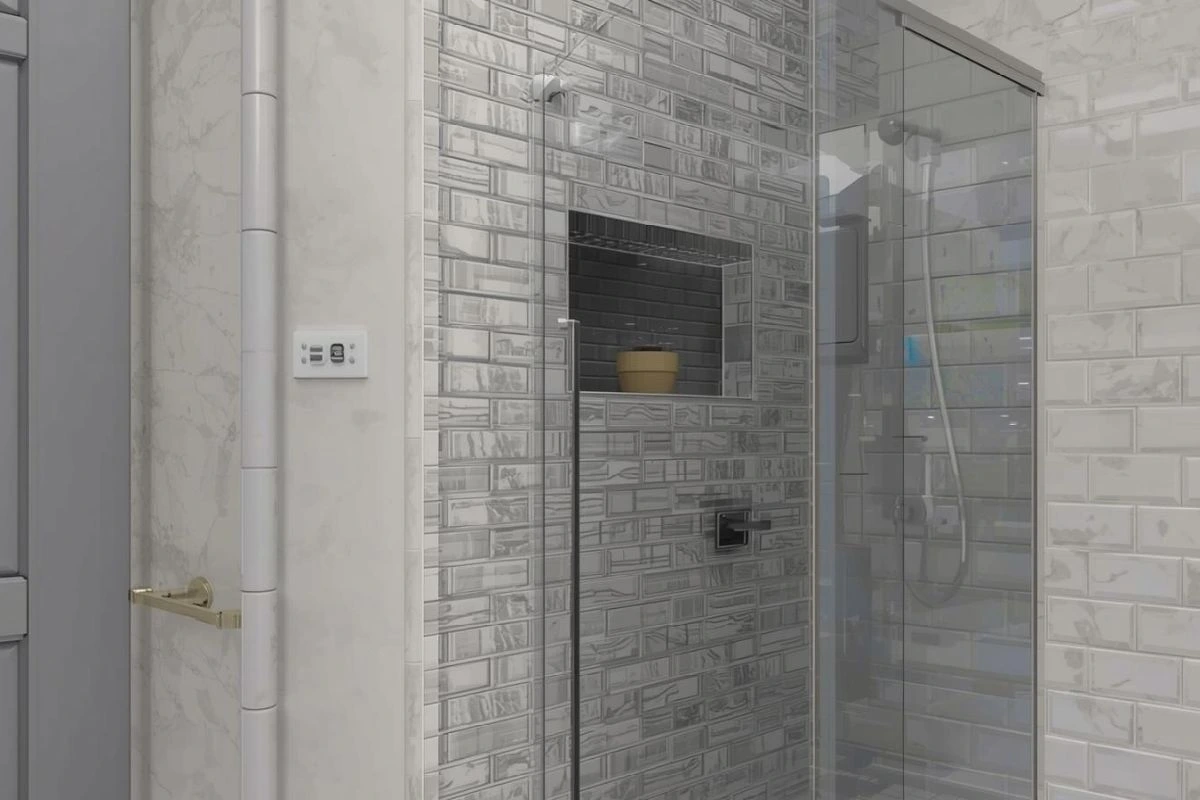
Grout might seem like a small detail, but it has a big visual impact.
Matching grout creates a seamless, calm look. Contrasting grout highlights tile shape and pattern. Neutral grout often strikes the perfect balance between the two.
When choosing grout, think about:
- How much contrast you want
- How much maintenance you’re okay with
- Whether you want tile lines to stand out or blend in
Stain-resistant grout options are worth it, especially in busy bathrooms.
10. Choosing Tile That Fits Your Lifestyle (Not Just Trends)
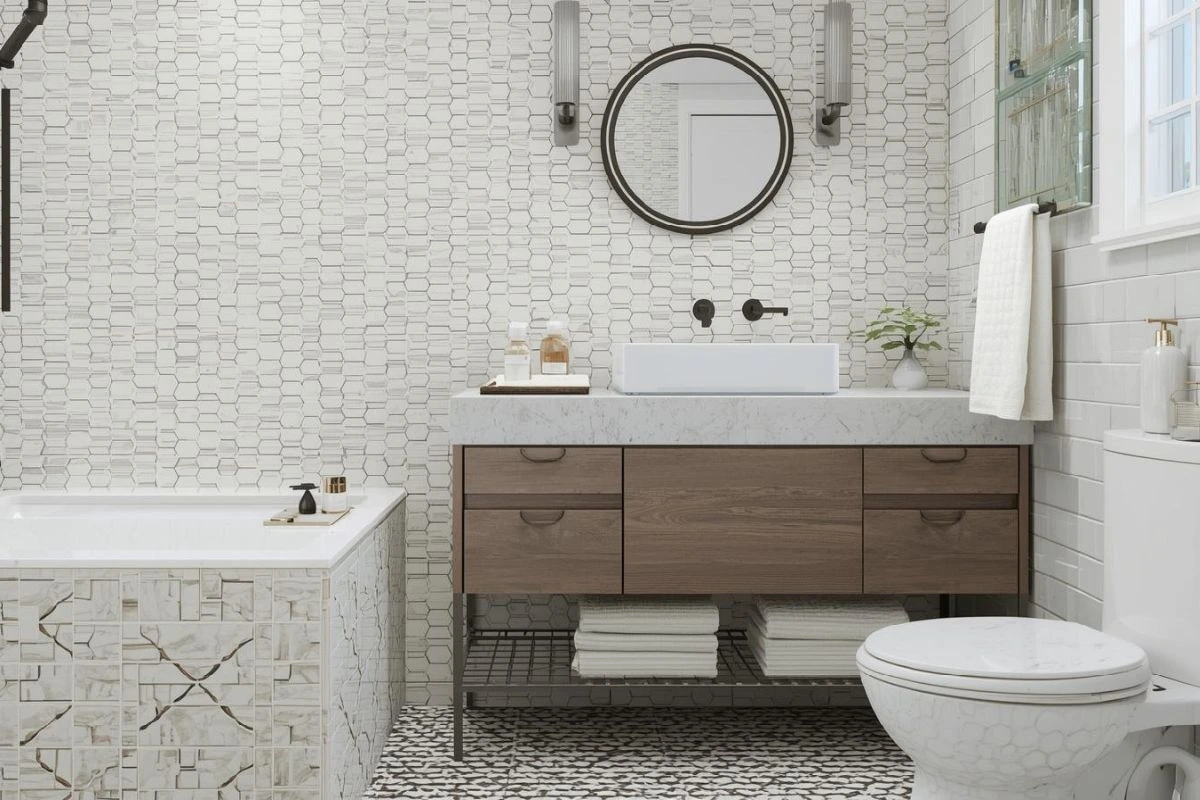
Trends are fun—but they shouldn’t run your bathroom.
The best Bathroom Tile Design Ideas come from understanding how the space is actually used. A guest bath can handle bolder choices. A family bathroom needs durability. A primary bath should feel calming and easy to maintain.
Before committing, ask yourself:
- Who uses this bathroom every day?
- How much cleaning do I want to do?
- Do I want timeless or trendy?
Tile should support your life, not complicate it. When it does, the bathroom feels good long after the remodel dust settles.
For inspiration on creating warm, comfortable spaces that feel personal, you might also enjoy 👉 Romantic Bedroom Decor Ideas for Couples.
Final Thoughts: Tile Choices That Truly Last
Tile is the backbone of your bathroom’s design. When chosen thoughtfully, it makes the space feel comfortable, functional, and genuinely enjoyable to use.
The goal isn’t perfection—it’s balance. When style meets practicality, Bathroom Tile Design Ideas stop feeling overwhelming and start feeling exciting. Trust your instincts, think about how you live, and choose tiles that make your bathroom feel like a place you actually want to be.
FAQs
What tile size works best in a bathroom?
- Medium to large tiles usually work best in bathrooms. They have fewer grout lines, which makes the space look cleaner and less busy. This also helps the room feel more open visually. Smaller tiles still work, but they’re better for accents or detail areas. Think niches, borders, or shower floors.
Are patterned tiles too busy for small bathrooms?
- Not at all if you use them with intention. The key is limiting patterned tiles to one focal area. A shower wall or bathroom floor is usually perfect. Keep the rest of the space simple so the pattern can shine. That balance keeps things stylish, not overwhelming.
Is porcelain tile better than ceramic for bathrooms?
- Porcelain is generally the better option for bathrooms. It’s denser, more water-resistant, and holds up better over time. This makes it especially great for floors and showers. Ceramic can still work on walls, but porcelain offers more durability. It’s a solid long-term choice.
Should bathroom tile match the vanity or walls?
- Tile doesn’t need to match exactly, and that’s actually a good thing. What matters more is that the colors and tones work well together. Staying in the same color family helps the room feel pulled together. Mixing textures and finishes adds interest without clashing. It’s all about harmony, not matching sets.
Do glossy tiles make bathrooms slippery?
- Glossy tiles are perfectly fine for walls and backsplashes. For floors, though, matte or textured tiles are usually safer. They provide better grip, especially when the floor gets wet. You can still get a beautiful look without sacrificing safety. It’s a smart trade-off.
How do I keep tile from looking dated?
- Classic choices age the best. Neutral colors, simple layouts, and timeless materials never really go out of style. Trendy patterns can be fun, but use them sparingly. You can always refresh the space later with new hardware or décor. That way, your tile stays relevant for years.