
 By
By We’ve all been there: you spend an entire morning cleaning every surface, folding all the laundry, wiping down counters, and yet… your home still feels messy. If you’ve ever asked yourself “why does my clean house look cluttered even after I clean?” you’re not alone. In this friendly, down-to-earth guide, we’re going to unpack the REAL reasons your space feels chaotic (even when it’s spotless) and share practical ways to fix it so your home finally feels as calm as it actually is.
1. Visual Clutter: Why Even Clean Spaces Look Messy
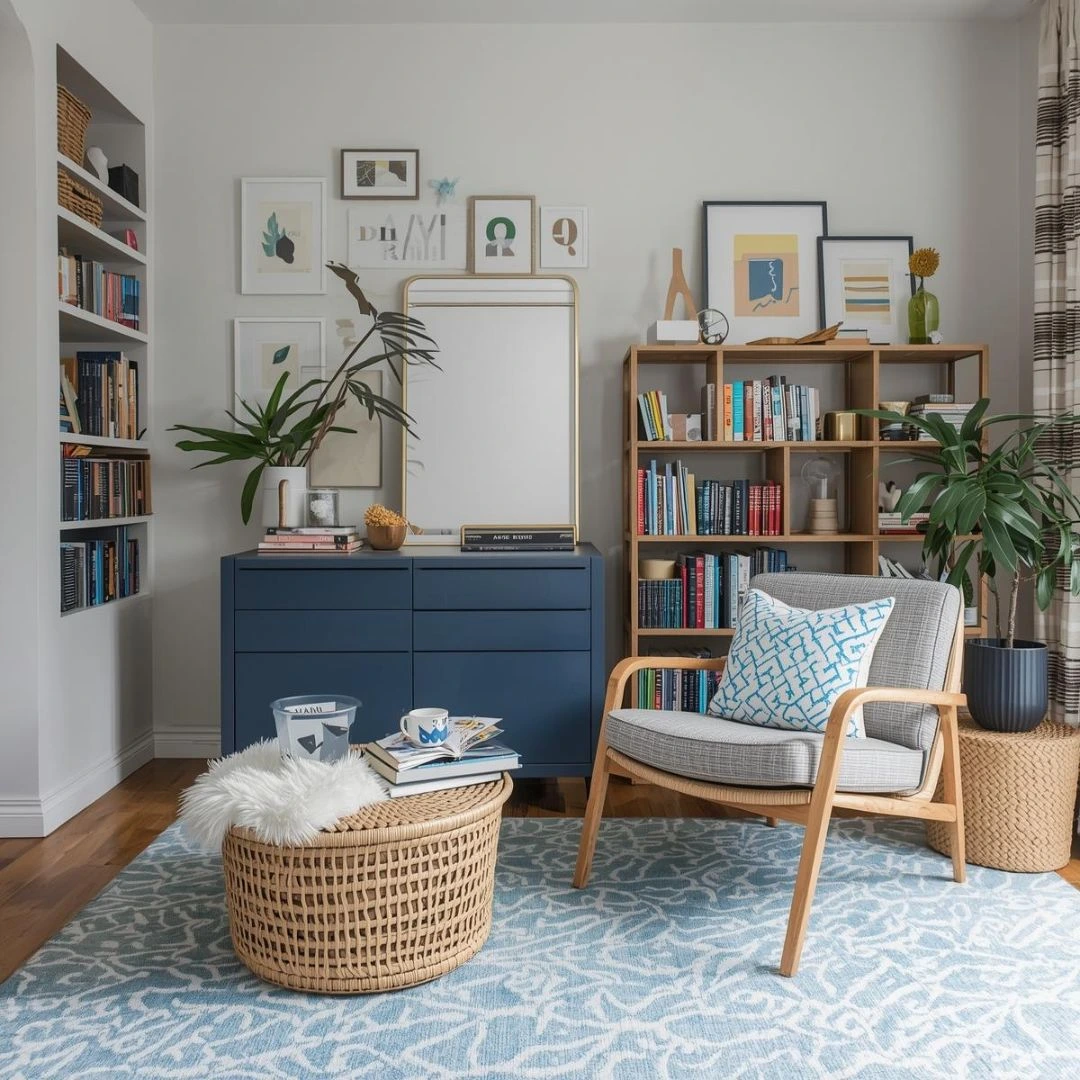
Have you ever noticed how a room with ten different patterns, mismatched decor, and stacks of papers feels chaotic? That’s visual clutter at work. Visual clutter happens when there’s too much for your brain to process at once — even if every surface is wiped down and every trash can emptied.
When everything competes for attention, your eye doesn’t know where to rest. That can make your beautifully cleaned space feel busy and disorganized.
How to tame visual clutter:
-
Choose a simple color palette for decor
-
Store items out of sight (boxes, baskets, drawers)
-
Let empty space be space — don’t feel pressured to display everything
2. Why Does My Clean House Look Cluttered? It’s About Daily Habits
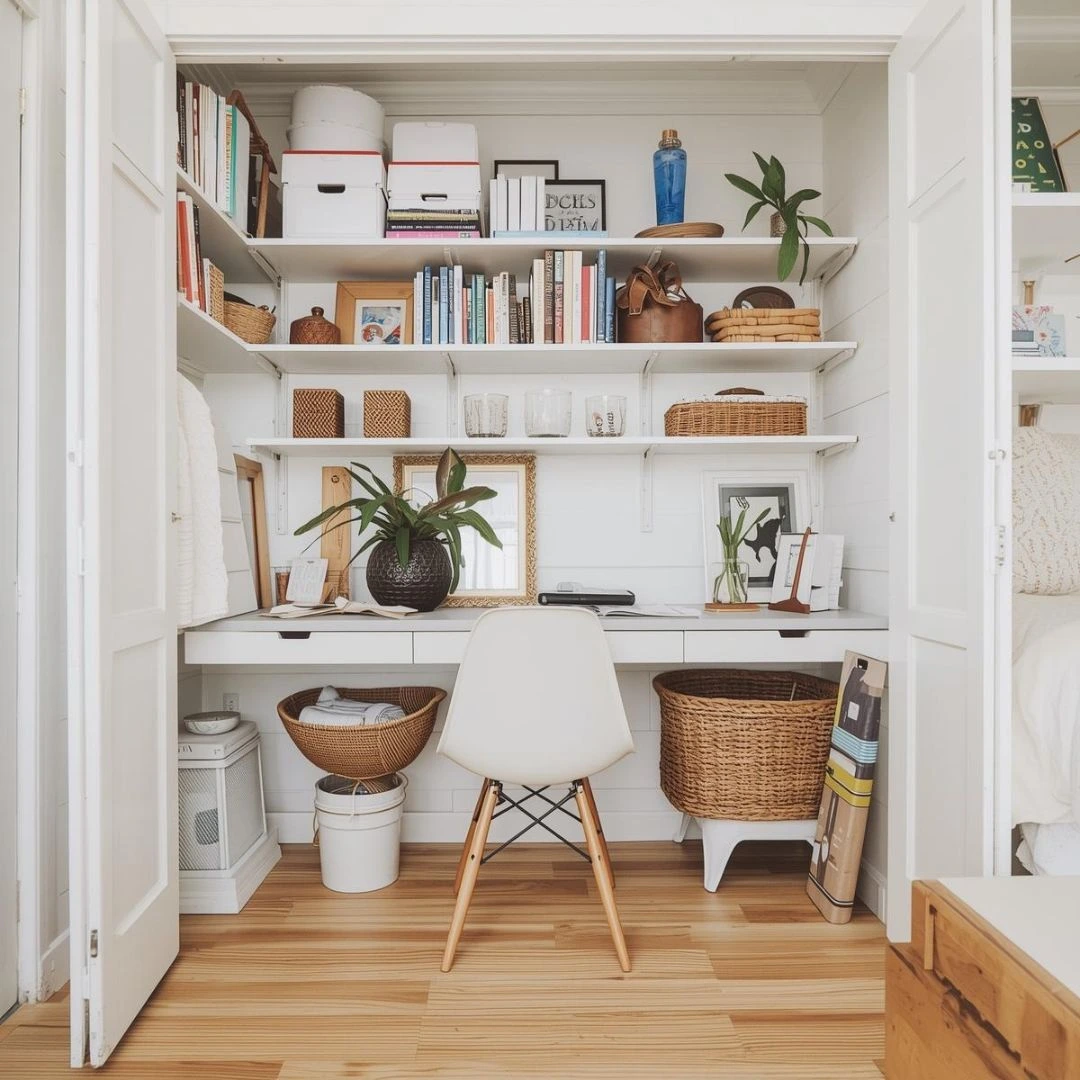
If you clean once a week but let clutter build up daily, your house will look messy even if it’s technically clean. Think of cleaning as resetting the stage — but it’s the daily habits, not the deep cleans, that keep your home feeling calm.
Here’s a tiny habit tweak that makes a huge difference: The 2-Minute Rule — if it takes less than two minutes to put something away, do it immediately.
Other habit boosters:
-
Make your bed right after waking
-
Do a quick 5-minute tabletop tidy before bedtime
-
Sort mail and receipts as soon as they enter the house
These tiny habits help prevent what I like to call “clutter creep” — the slow buildup of stuff that makes even clean surfaces look messy.
3. Too Much in Too Little Space: The Clutter Formula
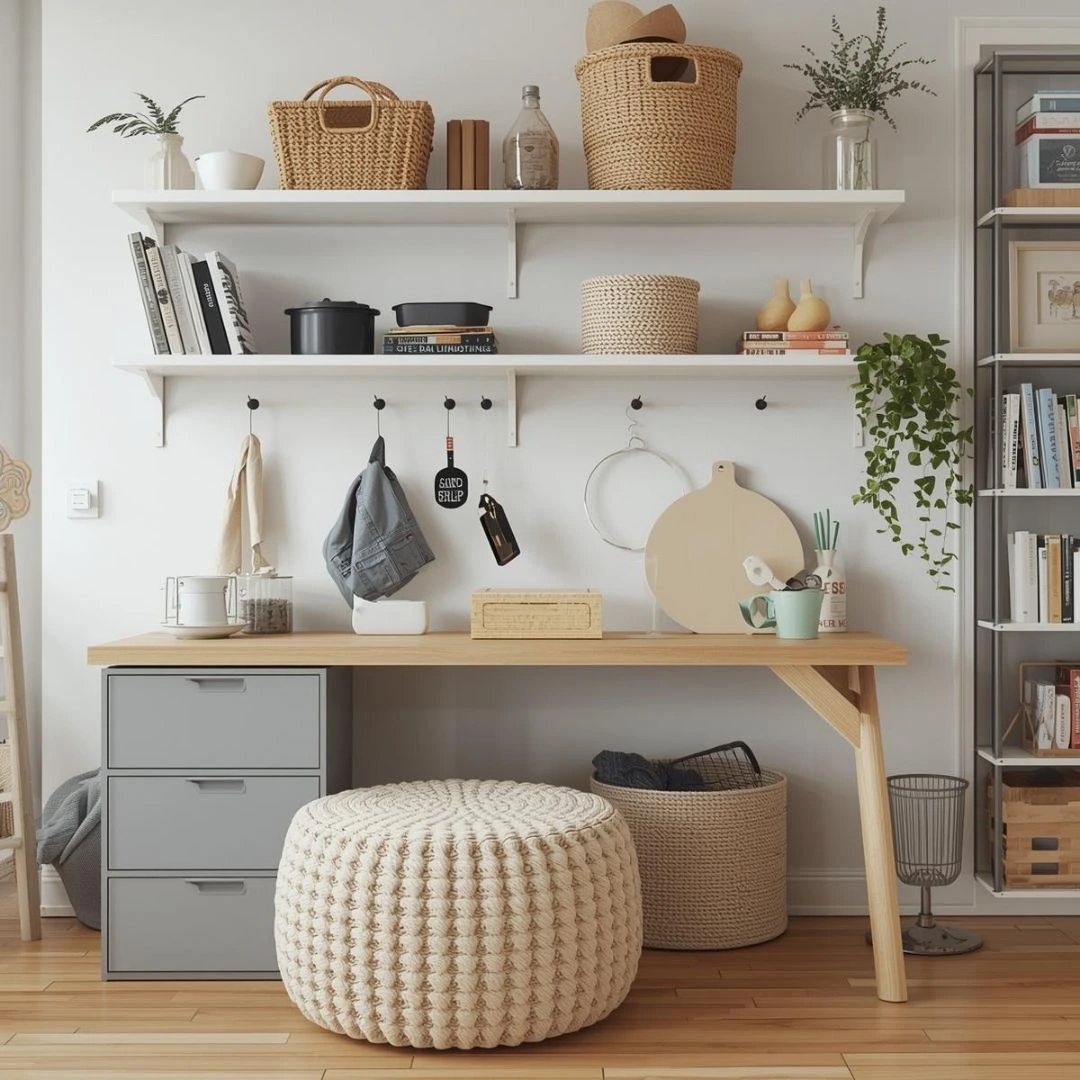
A really clean room can still feel messy if there’s too much stuff and nowhere to put it. This is especially true in apartments, tiny kitchens, or rooms with limited storage.
The formula looks something like this: Stuff × No Home = Messy Vibes
Even if everything is dusted and scrubbed, your brain senses the disorder when there’s no designated place for items.
Smart solutions include:
-
Vertical storage (shelves, hooks)
-
Multi-functional furniture (ottomans with storage)
-
Decluttering by category (not by room)
4. Emotional Clutter: Why Sentimental Items Make Clean Feel Messy
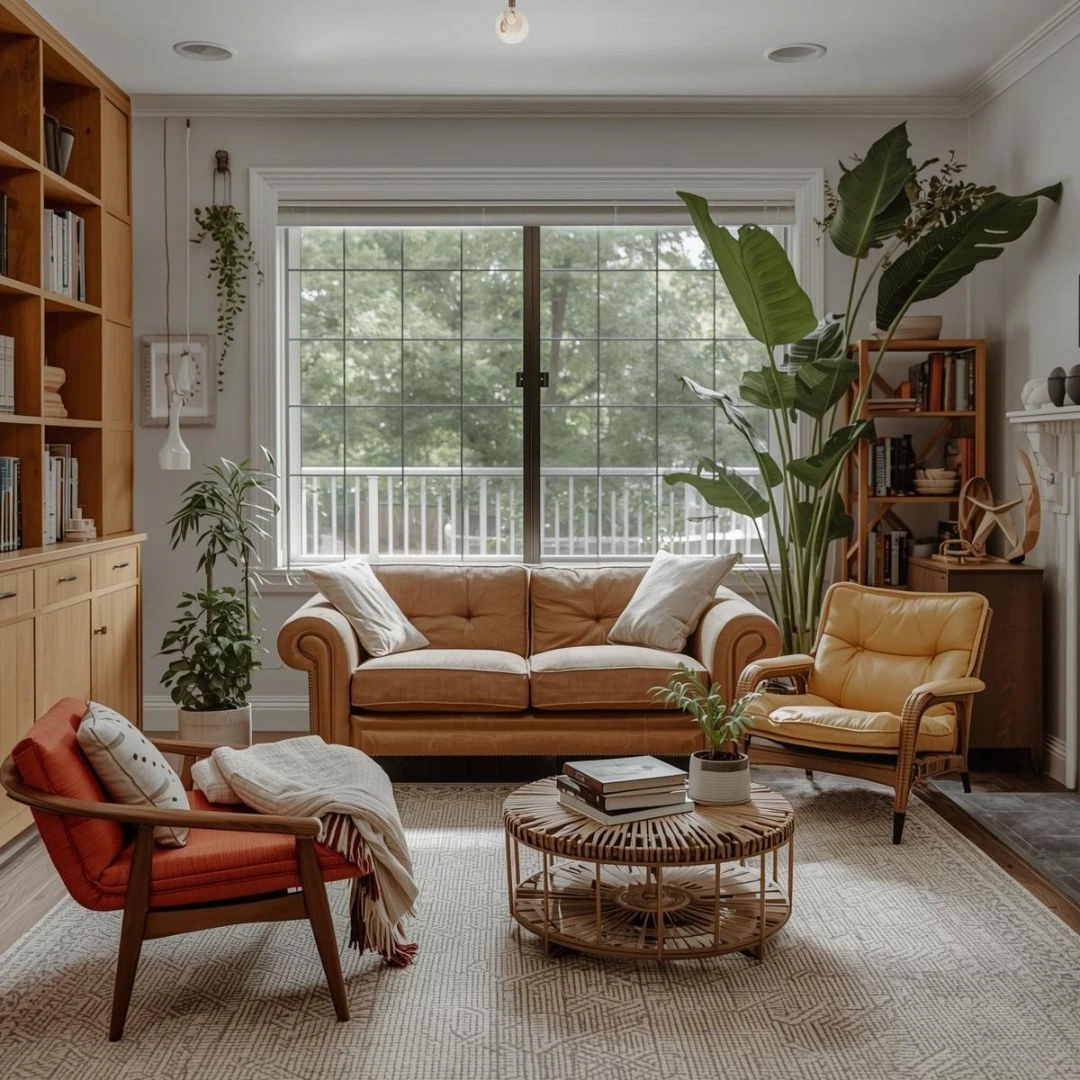
Let’s get real — emotional clutter is a huge reason your home feels messy even when it’s spotless. Photos, mementos, gifts you didn’t ask for, and piles of things you “might need someday” all have emotional weight.
Your brain doesn’t process these items neatly just because they’re dust-free. They create mental noise.
To address emotional clutter:
-
Ask yourself: Does this item add joy or meaning?
-
If not, consider a photo, not the full keepsake
-
Let go of guilt — your memories aren’t in the object
This is where mindset meets cleaning — and it’s powerful.
5. The Psychology of Clutter: What Your Space Is Telling You
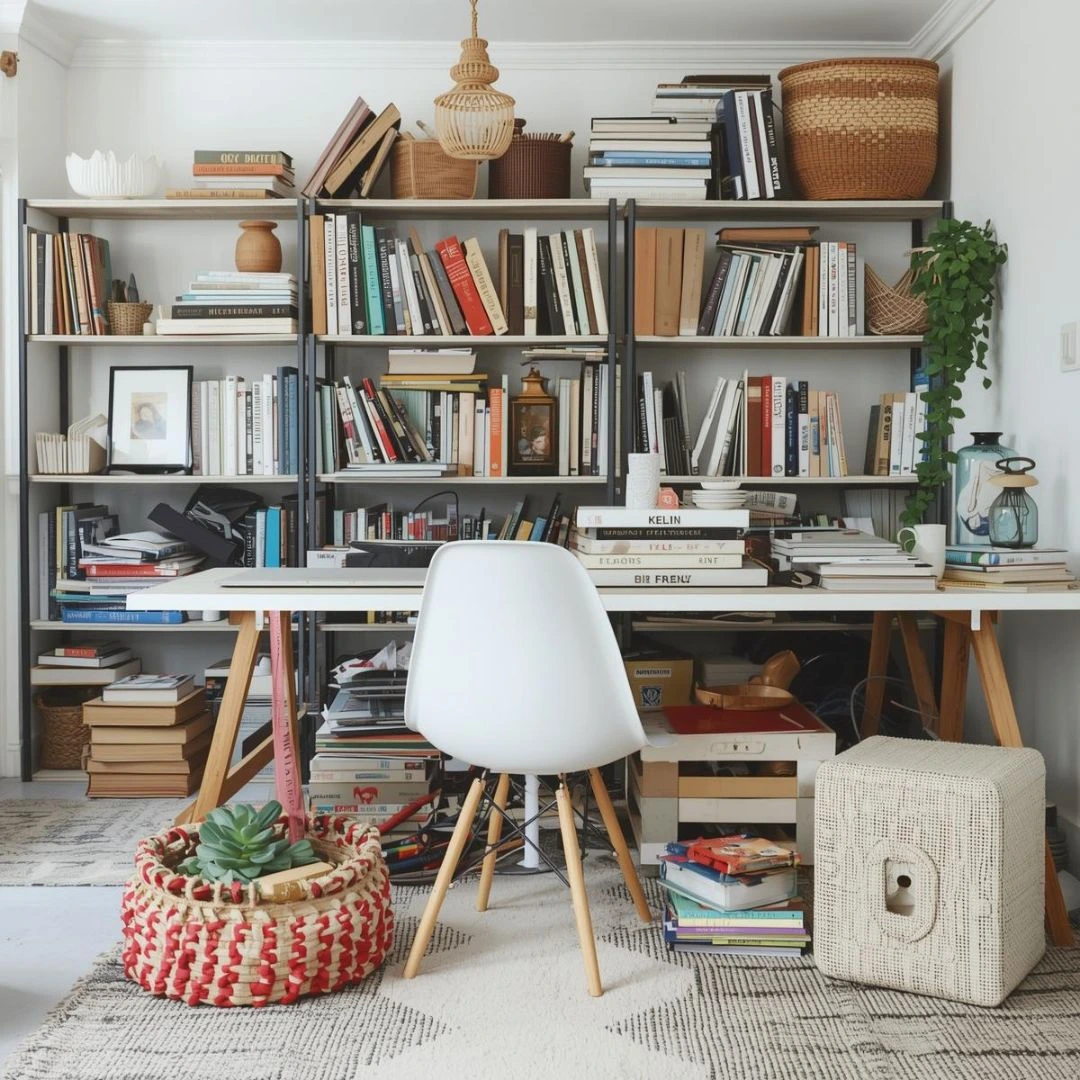
Your home is more than dust and dishes. It’s a psychological snapshot of your habits, emotions, and routines. Even after cleaning, your environment can reflect internal stress — and your brain interprets that as “mess.”
For example:
-
A stack of unread books may signal unfinished intentions
-
A cluttered counter might reflect a too-busy schedule
-
Random piles can mean you’re short on dedicated zones
Understanding why your clean house feels cluttered is as much about introspection as organization.
6. Open Storage: When Beautiful Displays Backfire
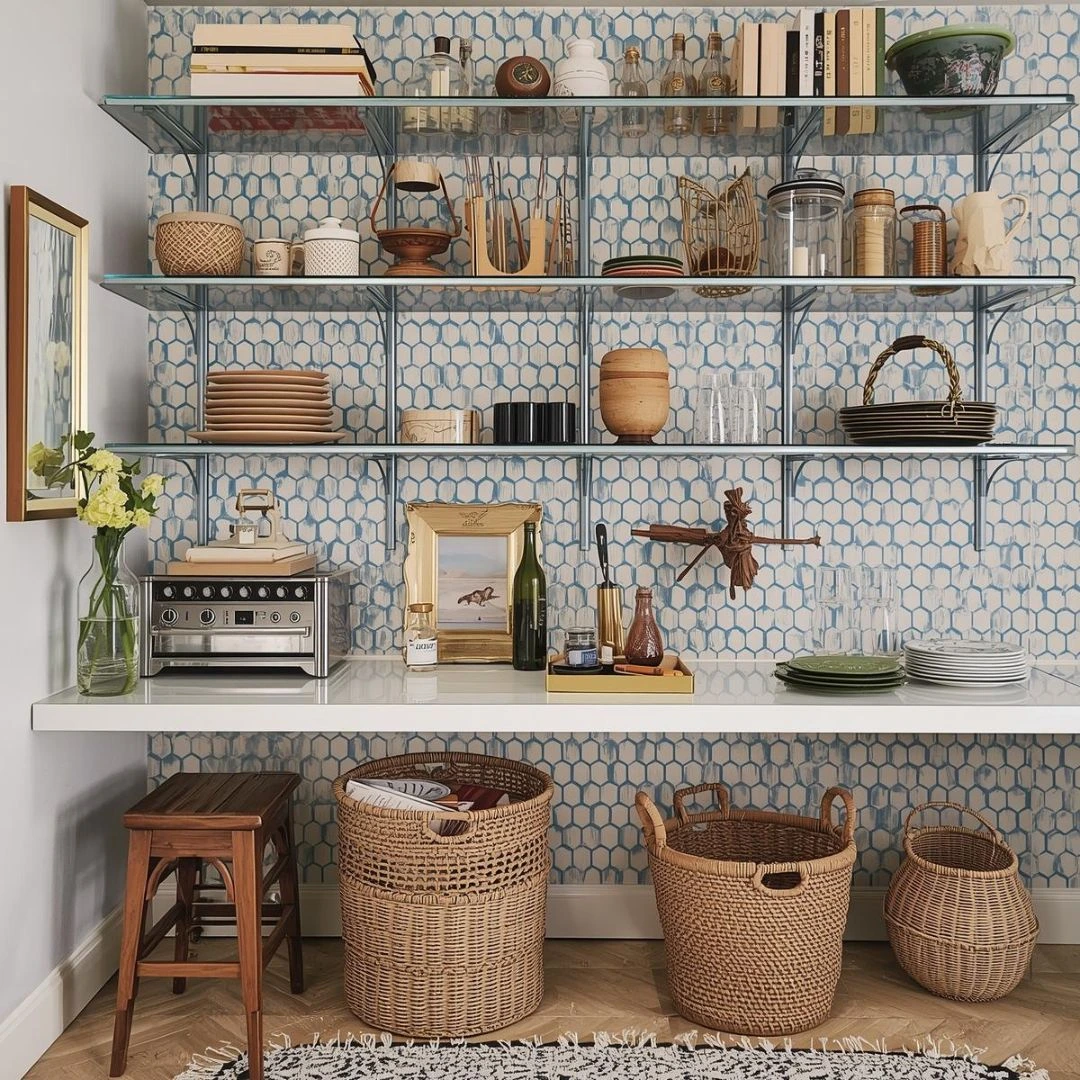
Open shelving and glass cabinets are super trendy and can look great — until they make your home look messy. Why? Because every item is exposed. Even if it’s neat, your brain sees “stuff” instead of “storage.”
Here’s how to make open storage work without the messy effect:
-
Limit the number of items on display
-
Group objects by color or size for visual harmony
-
Use baskets and bins to conceal micro-clutter
If open storage has been your ally and enemy, check out our suggestions in storage solutions for every room.
7. Too Many Surfaces: Flat Surfaces Amplify Clutter
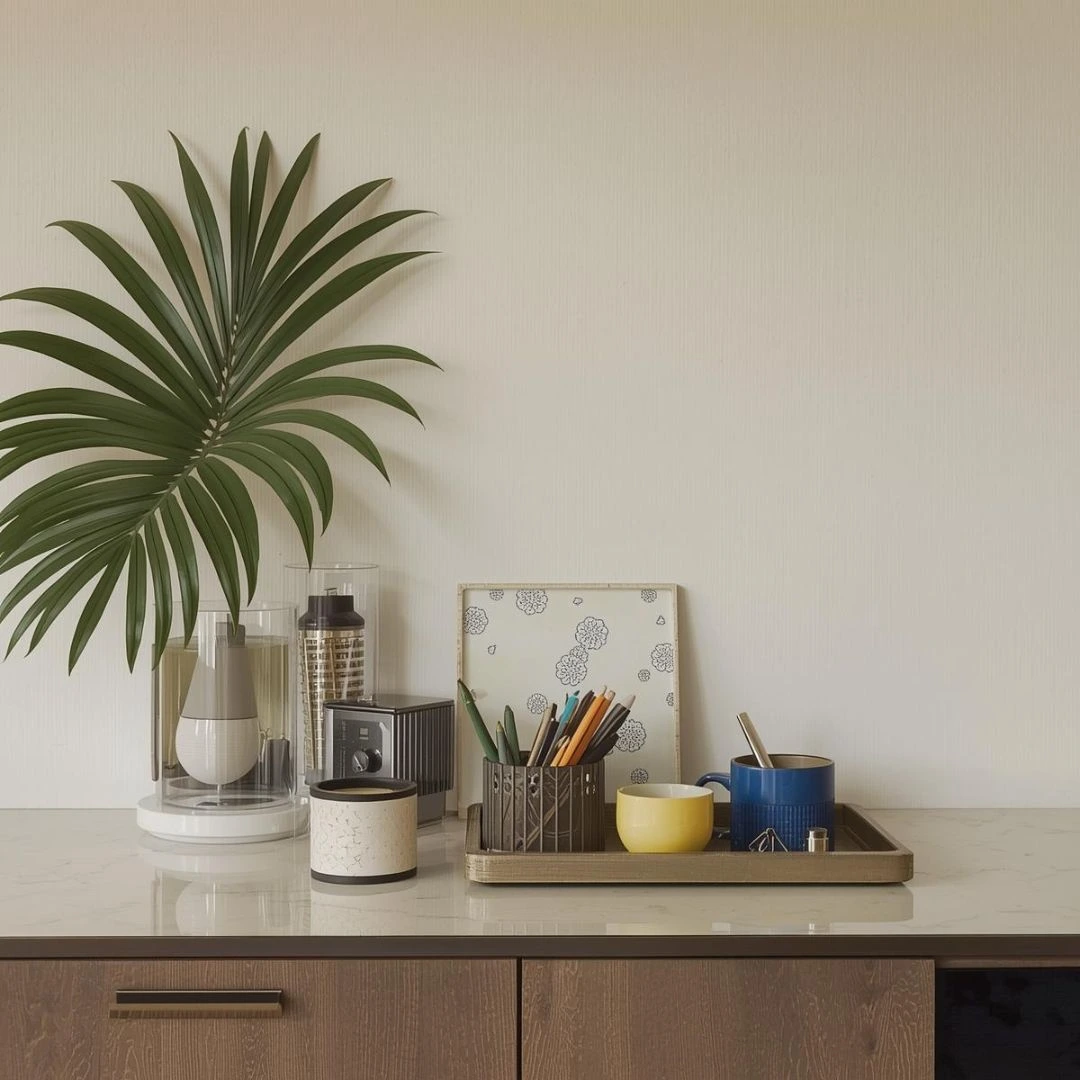
Flat surfaces are like magnets for stuff. You walk in, and boom — keys, mail, socks, mugs, chargers all land on tables and counters. Before you know it, you’ve got a clean but messy-looking house.
Combat this by:
-
Minimizing flat surface areas where possible
-
Creating landing zones with trays and organizers
-
Emptying surfaces every evening
Having dedicated spots for everyday items means fewer visual disruptions — and that clean look you’ve been chasing.
8. Lighting and Color: The Hidden Mess Amplifiers
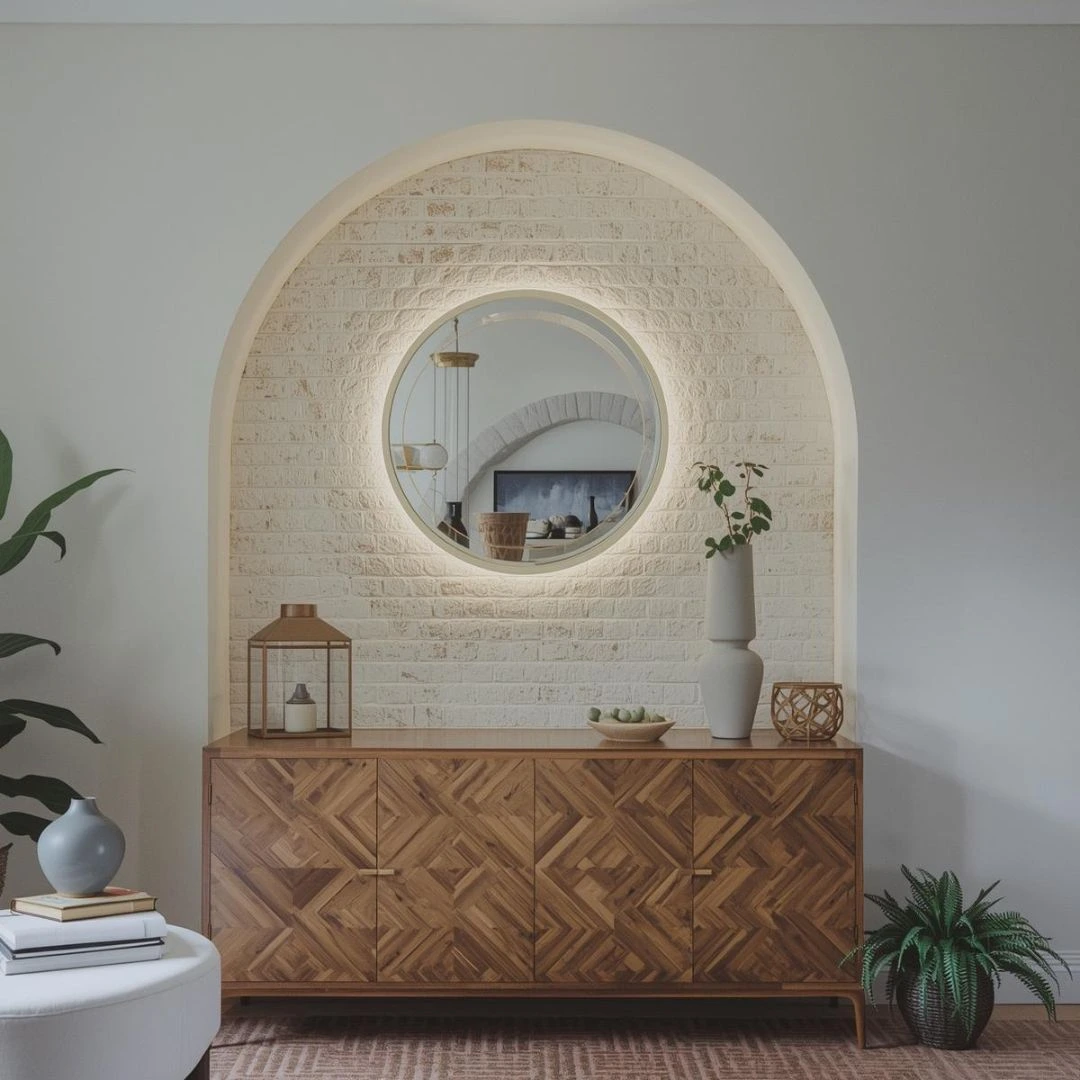
This might surprise you: lighting and color can make a clean space feel messy. Harsh overhead lights show every texture and shadow, while dull lighting flattens everything. Certain wall colors and decor patterns also create visual “noise.”
To boost calm vibes:
-
Use soft, warm lighting (LEDs with dimmers are great)
-
Choose a consistent color palette
-
Avoid overly busy patterns on upholstery and decor
Subtle shifts in lighting and color can make a world of difference in how your clean home feels.
9. Functional Zones: Why Your Home Feels Disorganized

A home that looks disorganized often lacks well-defined zones. When the laundry area, office, and relaxation space blend together without clear boundaries, your brain interprets it as mess — even if everything is neat.
Create clear zones by:
-
Using rugs or furniture to define areas
-
Assigning purposes to each corner of a room
-
Avoiding cross-purpose surfaces (e.g., don’t use your dining table as a work desk)
When each space has a role, your home feels cleaner — not just technically clean.
10. Maintenance Routines: The Secret to a Home That Feels Clean
You know what’s funny? Some people clean a lot and still feel messy, while others clean a little and always feel calm. The difference isn’t elbow grease — it’s maintenance routines.
Think of this like gardening:
-
Deep cleaning = seasonal pruning
-
Maintenance = daily watering and weeding
Try these easy routines:
-
A 10-minute nightly reset (put things away, wipe counters)
-
A weekly focus on trouble spots (entryway, kitchen table)
-
Seasonal decluttering days
Consistency beats intensity every time. Over time, your home feels cleaner because your brain stops noticing tiny mess triggers.
If routines feel overwhelming, our home cleaning schedule can help you build one that actually works.
Friendly Wrap-Up: Your Home Can Feel As Calm As It Is Clean
Alright, friend — let’s bring this home (pun totally intended). If your home looks messy even when it’s clean, it’s not because you’re doing something “wrong.” It’s because our brains perceive order in more complex ways than just dust-free surfaces and laundry baskets.
When you address visual clutter, daily habits, emotional attachments, storage gaps, and everyday routines, your space will finally feel as calm and inviting as it is.
Remember: Clean is a snapshot. Order is a rhythm. And simplicity is a habit.
Your home deserves to be a peaceful sanctuary — and now you’ve got the tools to get it there. If you ever need more friendly tips, dive into the internal resources linked above or ask me for more personalized ideas. You’ve got this!
FAQs:
Why does my house still look messy after I clean it?
- Because cleanliness and visual order aren’t the same thing. Even if everything is dust-free, too much visible stuff, poor storage, or cluttered surfaces can make your home look messy.
Why does my clean house look cluttered all the time?
- This usually happens due to visual clutter, lack of defined storage zones, or everyday items not having a “home.” When things sit out in the open, your brain reads it as clutter—even if it’s clean.
Can a home be clean but still feel disorganized?
- Yes, 100%. A space can be sanitized and spotless but still feel chaotic if items are scattered, surfaces are overloaded, or rooms lack clear purpose.
What is visual clutter and why does it matter?
- Visual clutter is anything that overwhelms your eyes—too many colors, patterns, decorations, or items on display. It matters because your brain processes it as mess, even when everything is tidy.
Does having too much stuff make my home look messy?
- Absolutely. When you have more items than storage space, things end up on counters, chairs, and floors—making your home feel messy no matter how often you clean.
How can I make my home look tidy without cleaning all the time?
- Focus on daily maintenance habits like putting things away immediately, clearing surfaces at night, and using baskets or drawers to hide small clutter. These habits matter more than deep cleaning.
Do lighting and colors affect how messy a room looks?
- Yes! Harsh lighting, dark colors, or busy patterns can exaggerate clutter. Soft lighting and a consistent color palette help your home feel calmer and more organized.
What’s the fastest way to make a clean home feel organized?
- Clear flat surfaces. Tables, counters, and desks collect visual clutter quickly. Once they’re mostly empty, your space instantly feels cleaner and calmer.