 By
By If you love home décor, you know a beautiful kitchen is more than just quartz countertops and stylish backsplashes. Smart kitchen organization is just as important. Even the most attractive kitchen can feel messy when cabinets are cluttered, and spices get lost.
An organized kitchen cabinet system doesn’t just look good—it changes how your kitchen works. Cooking gets easier, cleaning takes less time, and grocery shopping is simpler because you know what you have. Best of all, your kitchen feels calm, purposeful, and ready for a Pinterest photo.
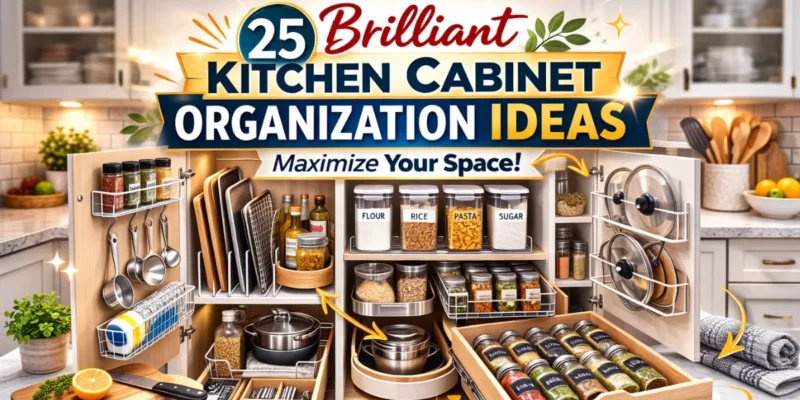
This guide covers practical, stylish kitchen cabinet-organization ideas, including decluttering, vertical storage, pantry upgrades, and budget-friendly tips. Whether your kitchen is small or large, these strategies will help you make the most of your space.
Step 1: Declutter Before You Organize
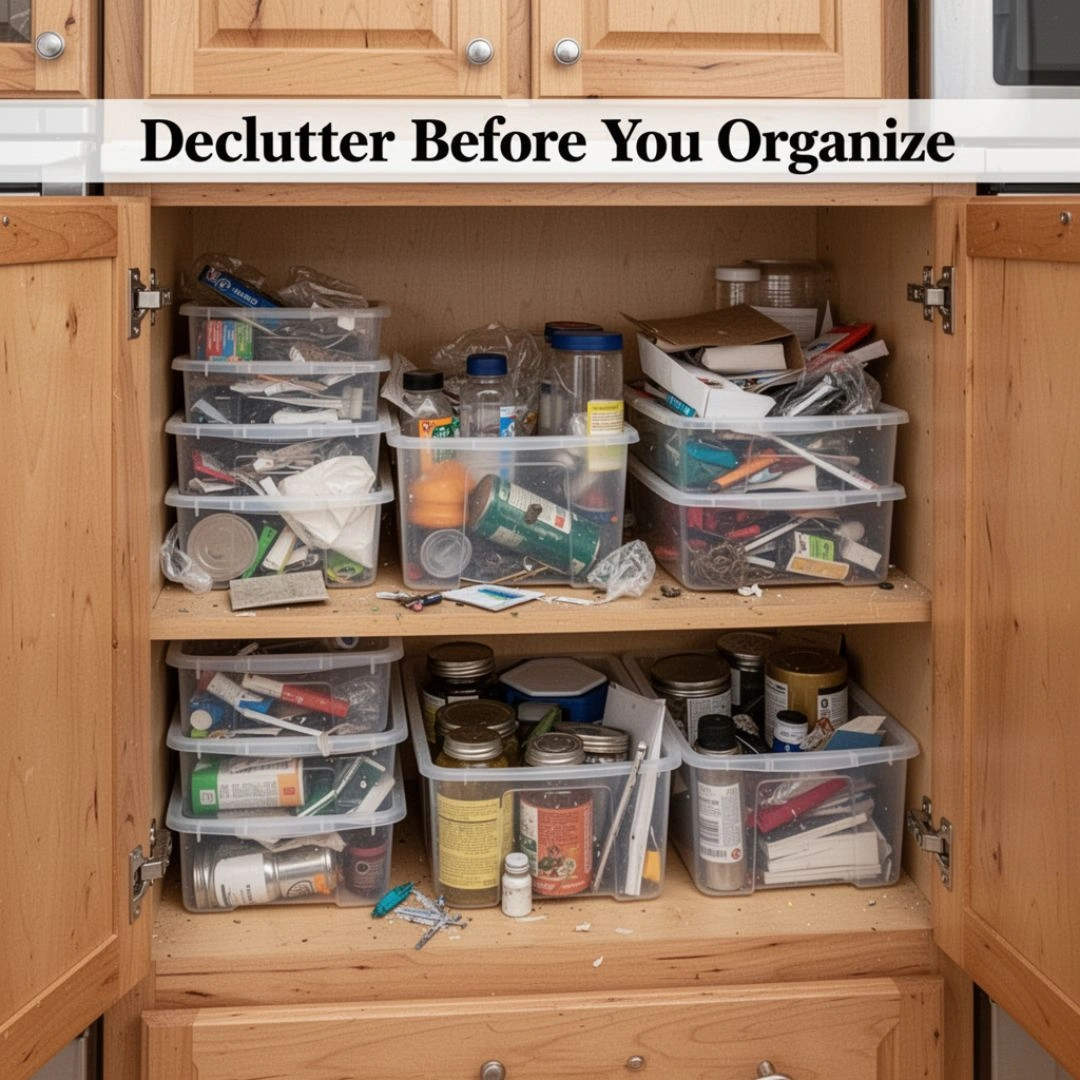
Before starting with organizers, declutter your kitchen cabinets—this first step sets the stage for the organization steps that follow.
Pull everything out. Yes, everything.
Sort into three piles:
-
Keep
-
Donate
-
Toss
Ask yourself:
-
Have I used this in the past year?
-
Is it broken, chipped, or missing pieces?
-
Do I own duplicates?
Decluttering gives you more storage right away. In fact, most kitchens don’t need extra cabinets; they just need better organization.
Benefits of decluttering:
-
Improves kitchen efficiency
-
Reduces stress while cooking
-
Prevents duplicate purchases
-
Makes cleaning easier
After clearing unnecessary items, set a clean foundation—wipe your shelves and consider adding non-slip liners. Now you’re ready for the next organizational step.
Step 2: Organize Cabinets Based on Frequency of Use
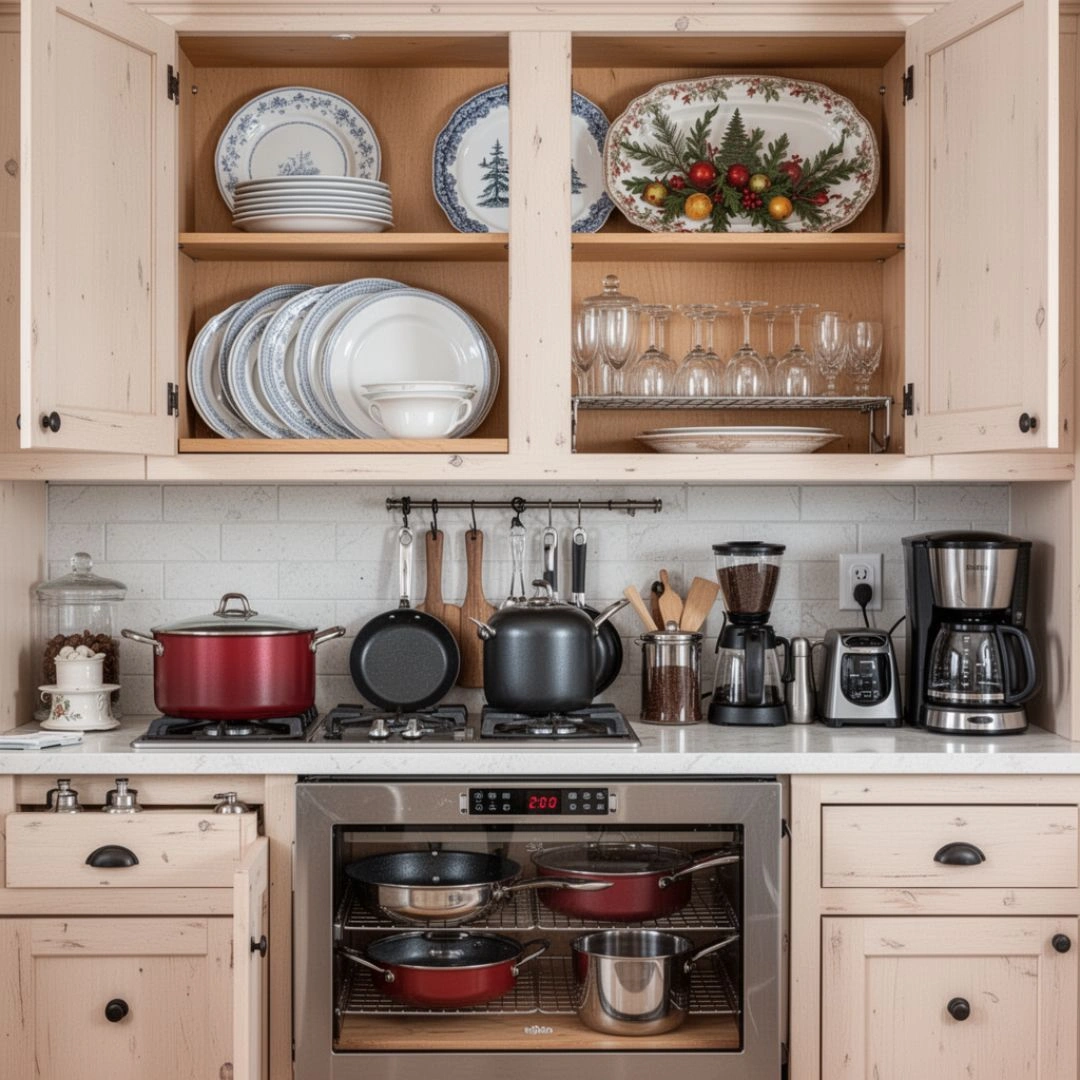
One of the most effective kitchen cabinet organization tips is simple: store items based on how often you use them.
-
Everyday plates and glasses → eye level
-
Frequently used cookware → near stove.
-
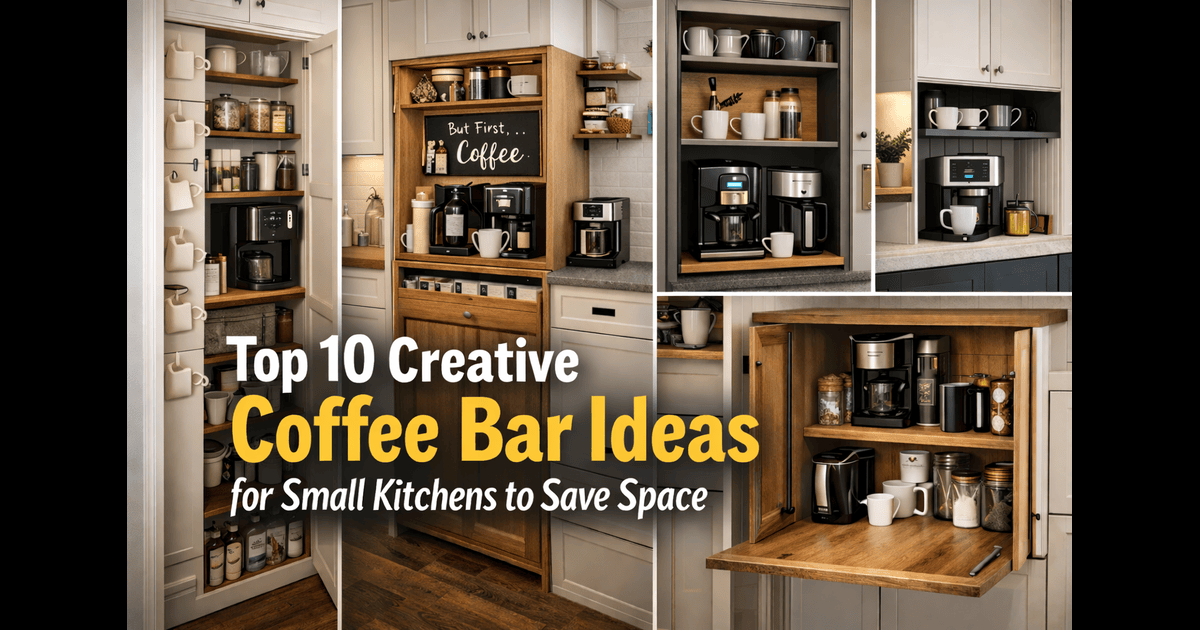
Coffee station items → near coffee maker
-
Holiday platters → upper shelves
This simple change connects each step, dramatically improving workflow.
If you’re working on a full kitchen refresh, you may also love these smart storage concepts in our guide to Small Mudroom Organization Ideas.
Step 3: Use Vertical Storage to Maximize Kitchen Space
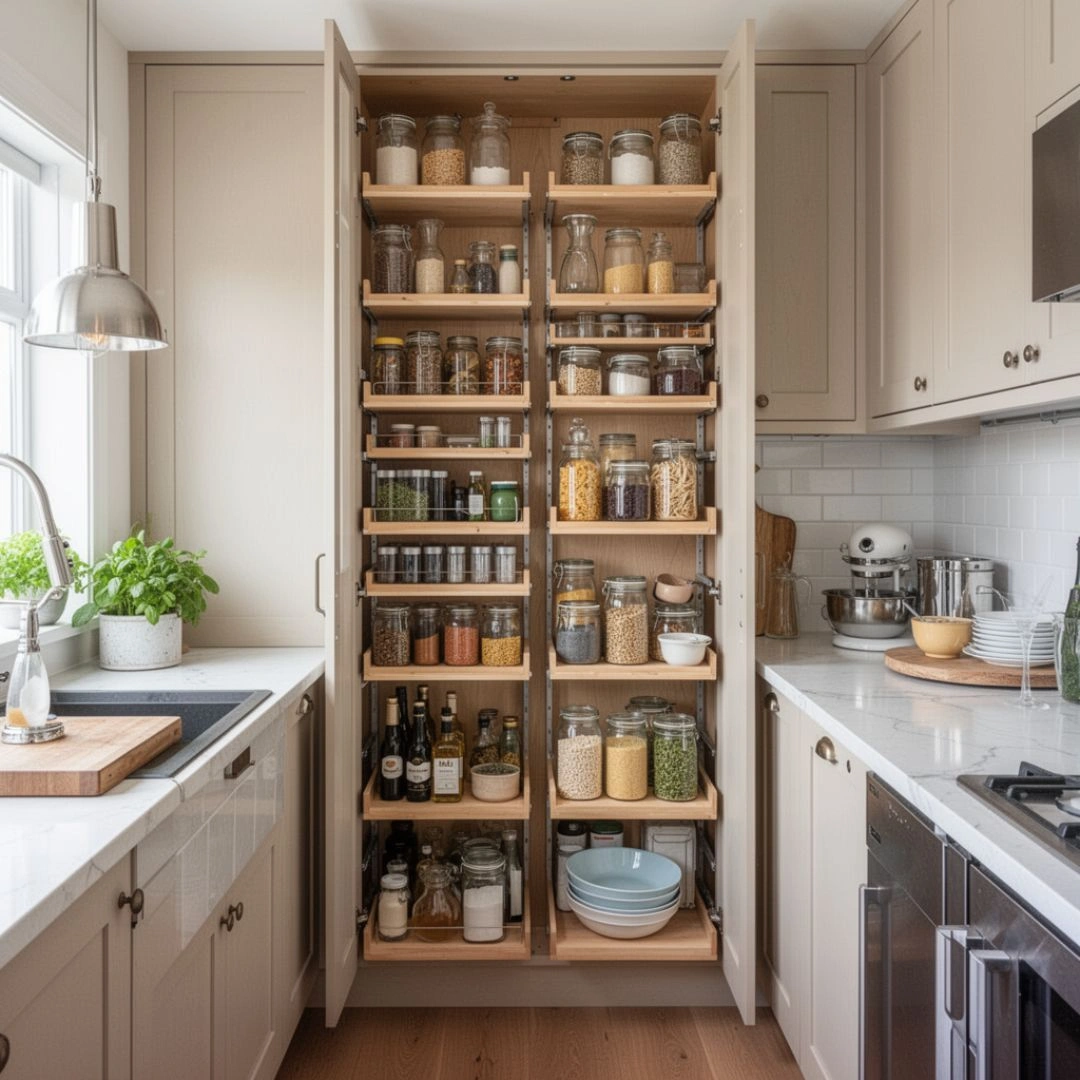
Vertical space is often ignored, yet it can transform small kitchens.
Store Baking Pans Vertically
Instead of stacking cookie sheets and cutting boards horizontally, use dividers to store them upright. This prevents the avalanche effect every time you grab one.
Add Shelf Risers
Shelf risers instantly double your storage space. Use them for:
-
Plates
-
Bowls
-
Pantry items
-
Mugs
These are inexpensive and extremely effective for small kitchen storage. Once you’ve made use of your vertical space, it’s time to increase access with pull-out storage.
Step 4: Pull-Out Storage Makes Everything Accessible
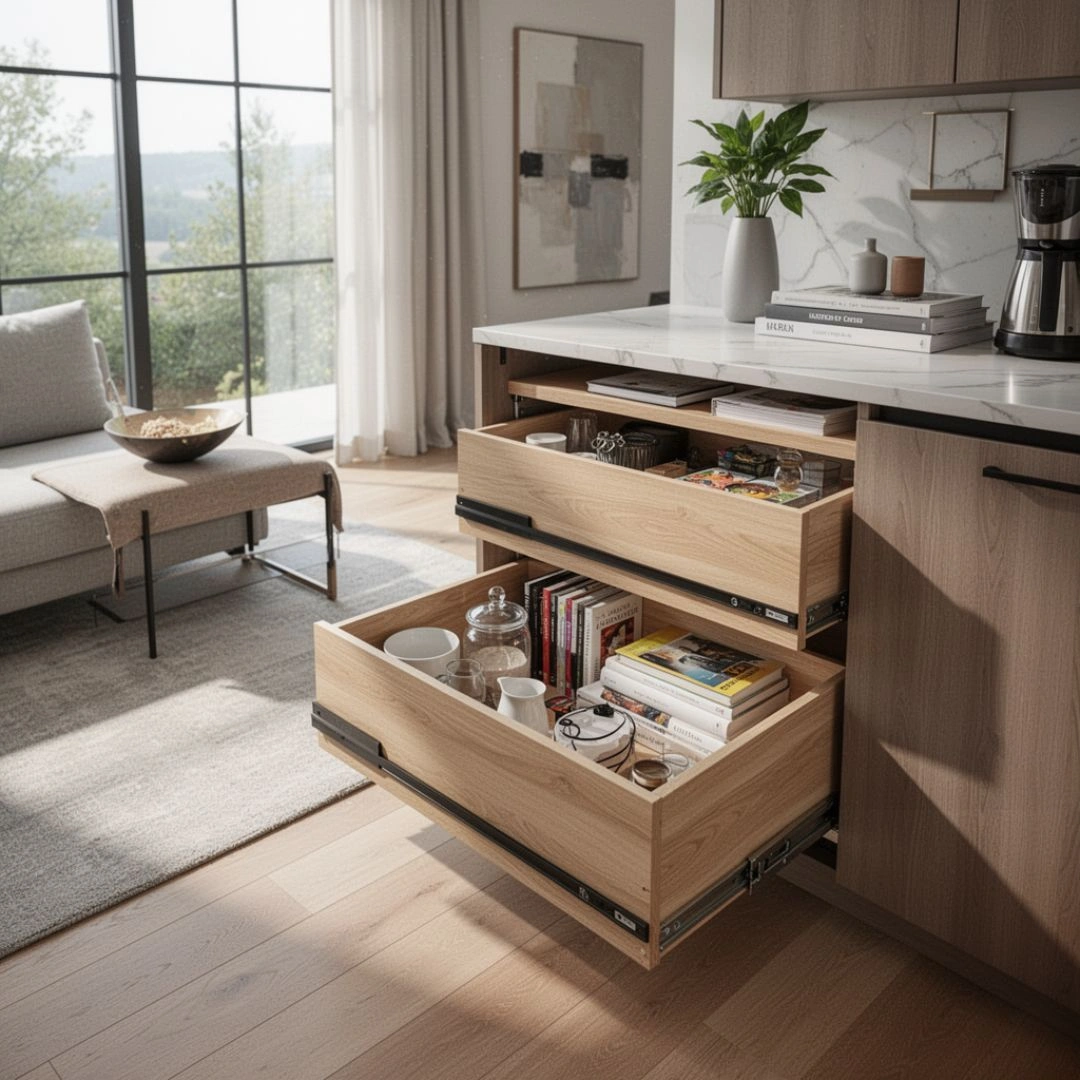
Deep cabinets often become black holes.
Install Pull-Out Drawers
Pull-out trays move items from the back to the front so you don’t have to dig for them.
Ideal for:
-
Small appliances
-
Cleaning supplies
-
Pots and pans
-
Pantry goods
Pull-out organizers under the sink are especially helpful for making the most of tricky plumbing areas. With these installed, you’re ready to tackle spice storage for everyday cooking convenience.
Step 5: Master Spice Organization
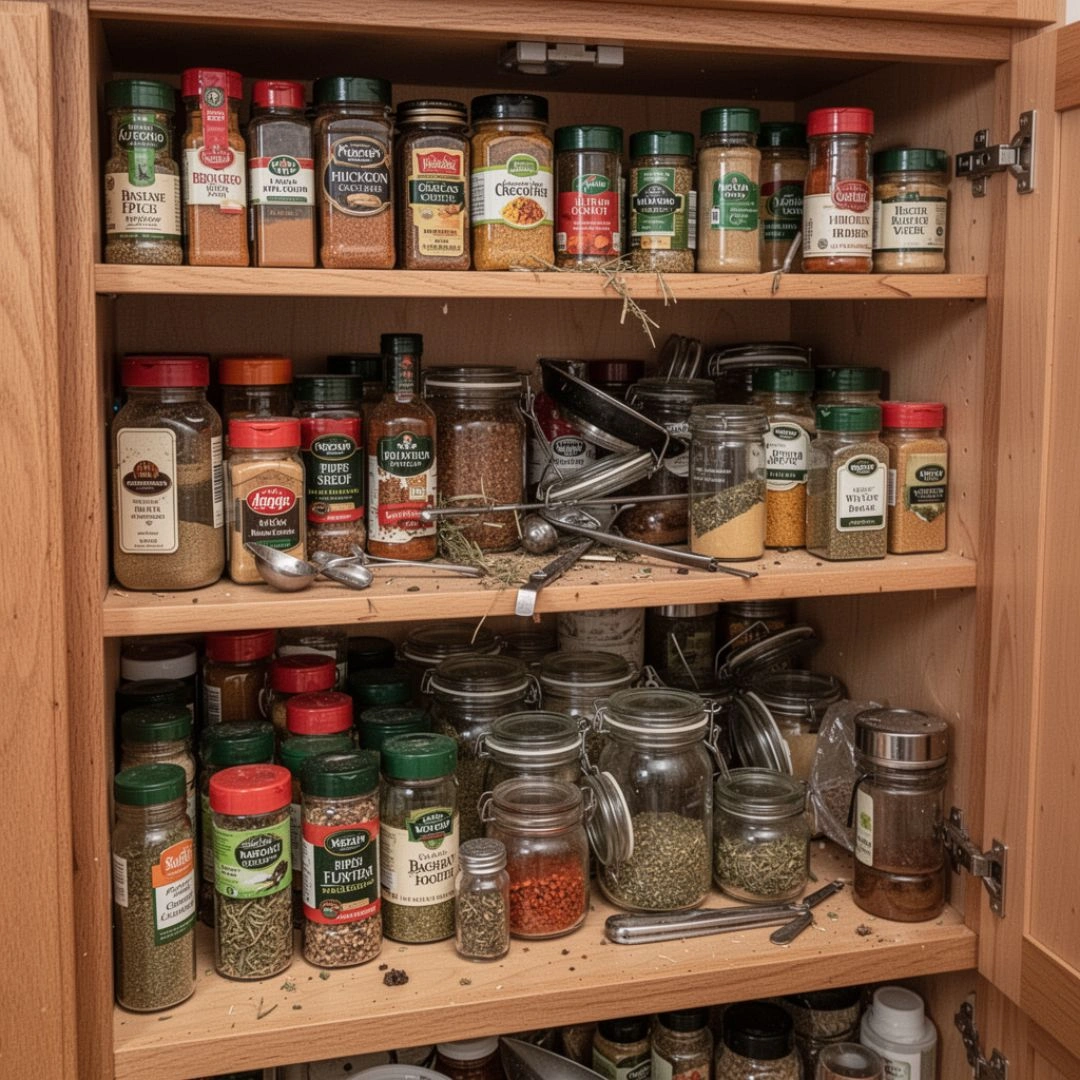
A chaotic spice cabinet can ruin the flow of cooking.
Try a Spice Drawer or Pull-Out Rack
Use:
-
Uniform glass spice jars
-
Clear labels
-
Expandable spice inserts
This step improves visibility and gives your cabinets a professional look.
For more aesthetic inspiration, you might enjoy our curated ideas in Modern Fireplace Mantel Decorating Ideas, where styling meets functionality.
Step 6: Use Cabinet Doors for Hidden Storage
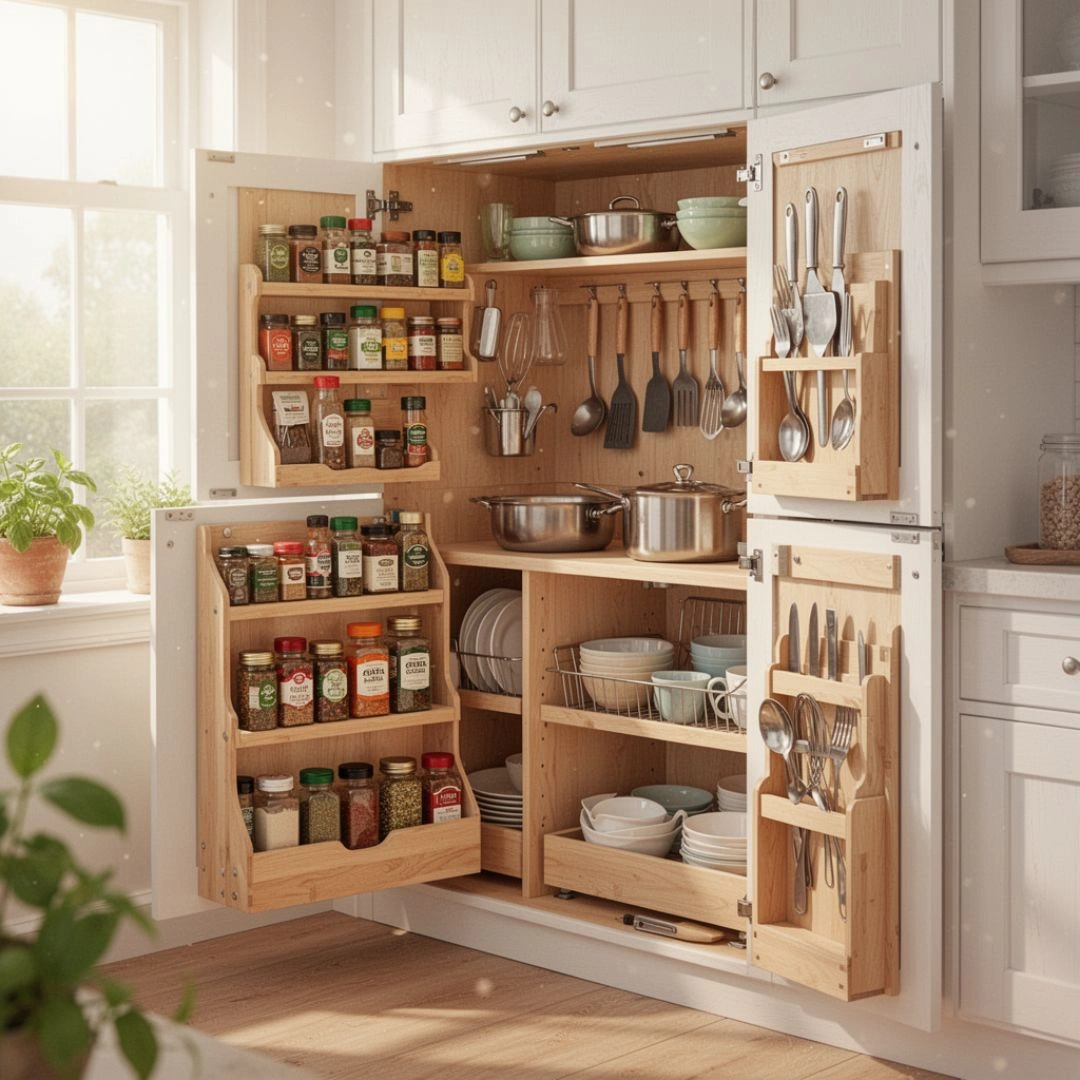
Don’t ignore the inside of cabinet doors.
Add:
-
Slim spice racks
-
Pot lid organizers
-
Hooks for measuring spoons
-
Small baskets for wraps and foil
This tip quickly frees up shelf space, making it especially helpful in smaller kitchens that need extra storage.
Step 7: Decant Pantry Staples for a Clean Look
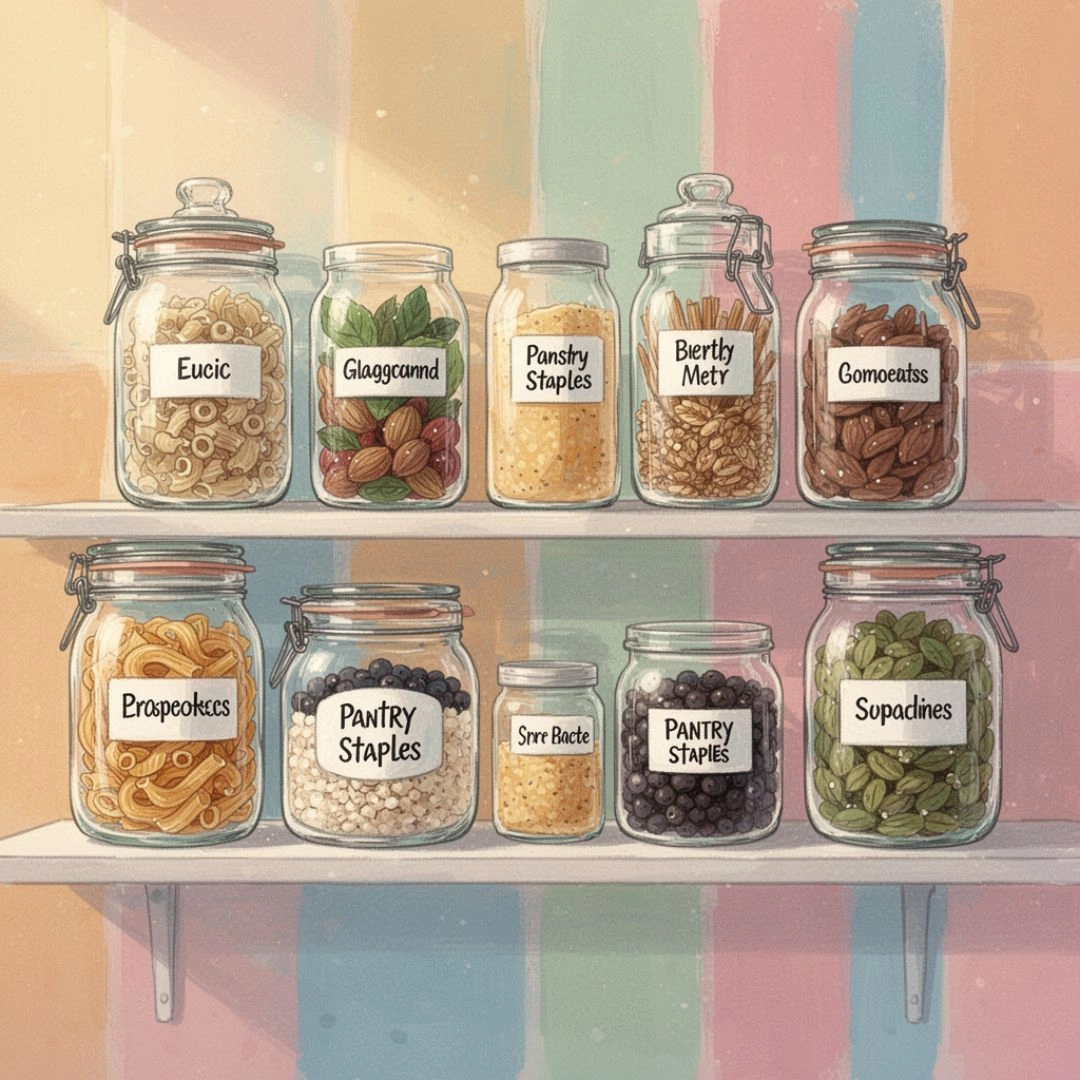
Bulky packaging wastes space.
Switch to Uniform Containers
Transfer:
-
Flour
-
Sugar
-
Rice
-
Pasta
-
Cereal
Into airtight containers with labels.
Benefits:
-
Maximizes space
-
Extends freshness
-
Looks cohesive
-
Makes grocery tracking easier
If you enjoy pantry styling, check out our post on Cozy Reading Nook Ideas for more cozy storage solutions. Organized spaces help every part of your home feel intentional.
Step 8: Organize Pots, Pans & Lids Efficiently
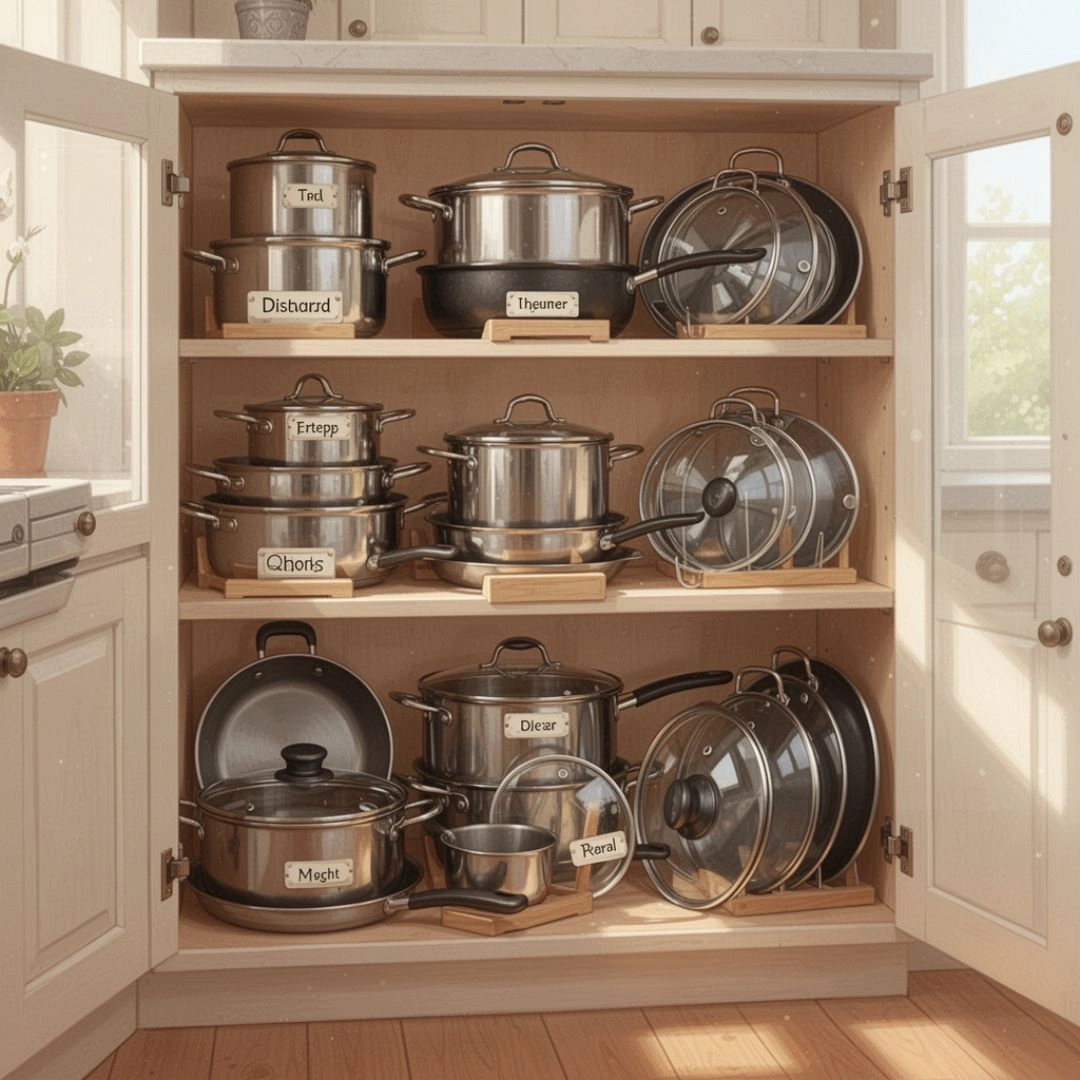
Stacking cookware randomly wastes valuable space.
Solutions:
-
Store lids vertically in organizers
-
Use pull-out deep drawers.
-
Separate lids from pots
-
Add tension rods for dividers.
Deep drawers are often more efficient than regular cabinet doors since you can see everything from above. After mastering cookware storage, implement the “First In, First Out” pantry rule to optimize ingredient use.
Step 9: Implement the “First In, First Out” Pantry Rule
Professional kitchens use the FIFO method, and you can too.
Place older items at the front and newer purchases behind them. This reduces food waste and improves inventory control.
Especially useful for:
-
Canned goods
-
Dry goods
-
Snack bins
Step 10: Create Kitchen Zones for Better Workflow
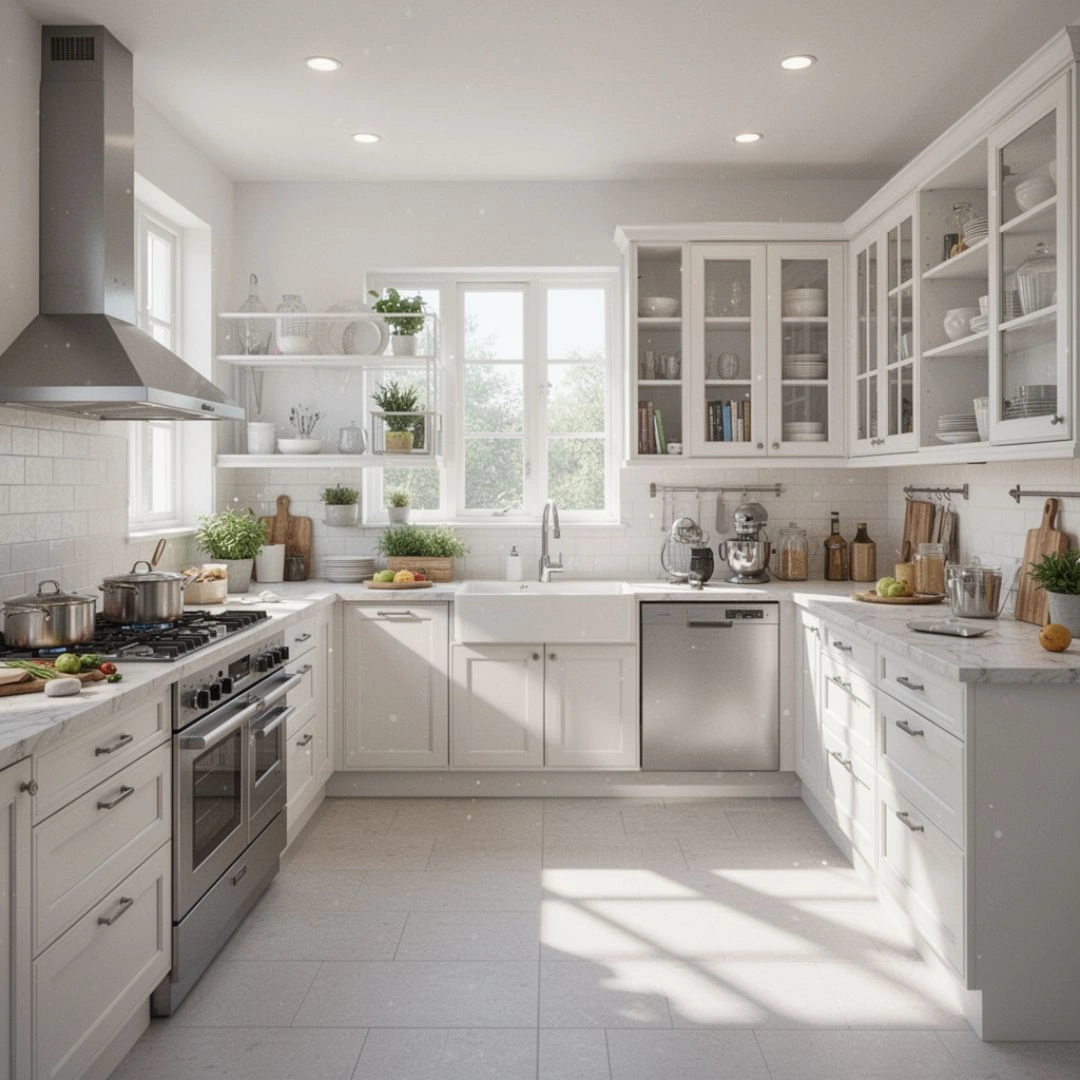
Design your cabinets around activity zones:
Prep Zone – cutting boards, knives, mixing bowls Cooking Zone – pots, pans, spices Serving Zone – plates, serving bowls Storage Zone – pantry goods
Zoning minimizes movement and creates a smoother kitchen experience.
For more tips on making spaces both functional and stylish, check out our guide to Jar Decor Ideas for the Bathroom. An organization can look good, too.
Final Thoughts: A Kitchen That Works as Beautifully as It Looks
Organizing your kitchen cabinets is not just about keeping things tidy. It’s about making your kitchen work for your lifestyle. When every pot, spice jar, and container has its own spot, cooking feels joyful instead of stressful.
With thoughtful planning, smart organizers, and a little design intention, you can completely transform your kitchen without a renovation.
A well-organized kitchen is the foundation of a beautiful home. Once you experience it, you won’t want to go back.
FAQs
1. What is the first step to organizing kitchen cabinets?
- The first step is always decluttering. Remove everything from your cabinets and sort items into keep, donate, or discard piles. This helps you clearly see what you actually use and prevents unnecessary clutter from being reorganized. Starting fresh makes the entire process easier and more effective.
2. How can I maximize space in small kitchen cabinets?
- Use vertical storage solutions like shelf risers, dividers, and stackable containers. Pull-out drawers and door-mounted racks also help utilize hidden spaces. Keeping frequently used items at eye level improves accessibility while freeing up lower shelves for bulkier items.
3. What is the best way to organize spices?
- Store spices in labeled, uniform jars for a clean and cohesive look. A spice drawer insert, tiered rack, or pull-out organizer allows you to see everything at once. Group them alphabetically or by usage to make cooking faster and more efficient.
4. How often should I reorganize my kitchen cabinets?
- It’s ideal to review your kitchen cabinets every 3–6 months. Regularly checking expiration dates, removing unused tools, and adjusting storage systems help keep your kitchen functional and clutter-free over time.
5. Are pull-out organizers worth it?
- Yes, especially for deep or lower cabinets. Pull-out trays make it easy to access items at the back without having to dig through everything. They improve visibility, reduce mess, and significantly enhance overall kitchen efficiency.