 By
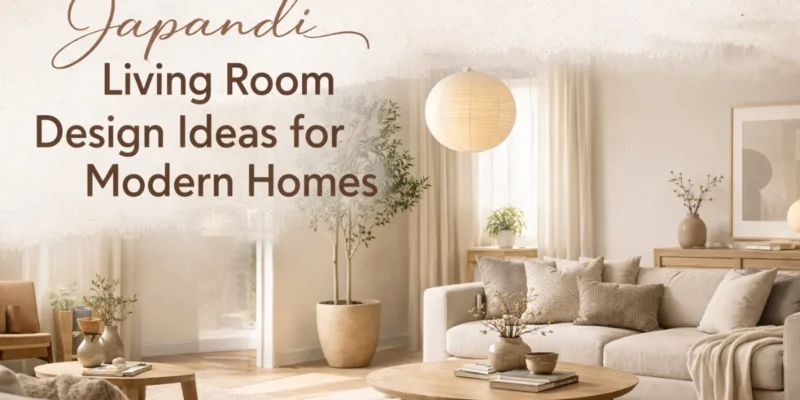
By If your living room feels less than peaceful despite its modern look, you’re not alone. Many American homes appear stylish but still feel busy or cluttered. That’s why Japandi style, which blends Japanese simplicity with Scandinavian warmth, is popular—creating clean, cozy, minimal, and welcoming spaces.
Japandi design focuses on intentional living rather than just decorating. Instead of filling every surface, it values open space and uses timeless materials over fleeting trends. Applying Japandi ideas can turn even a simple living room into a calm retreat.
The Philosophy Behind Japandi Design
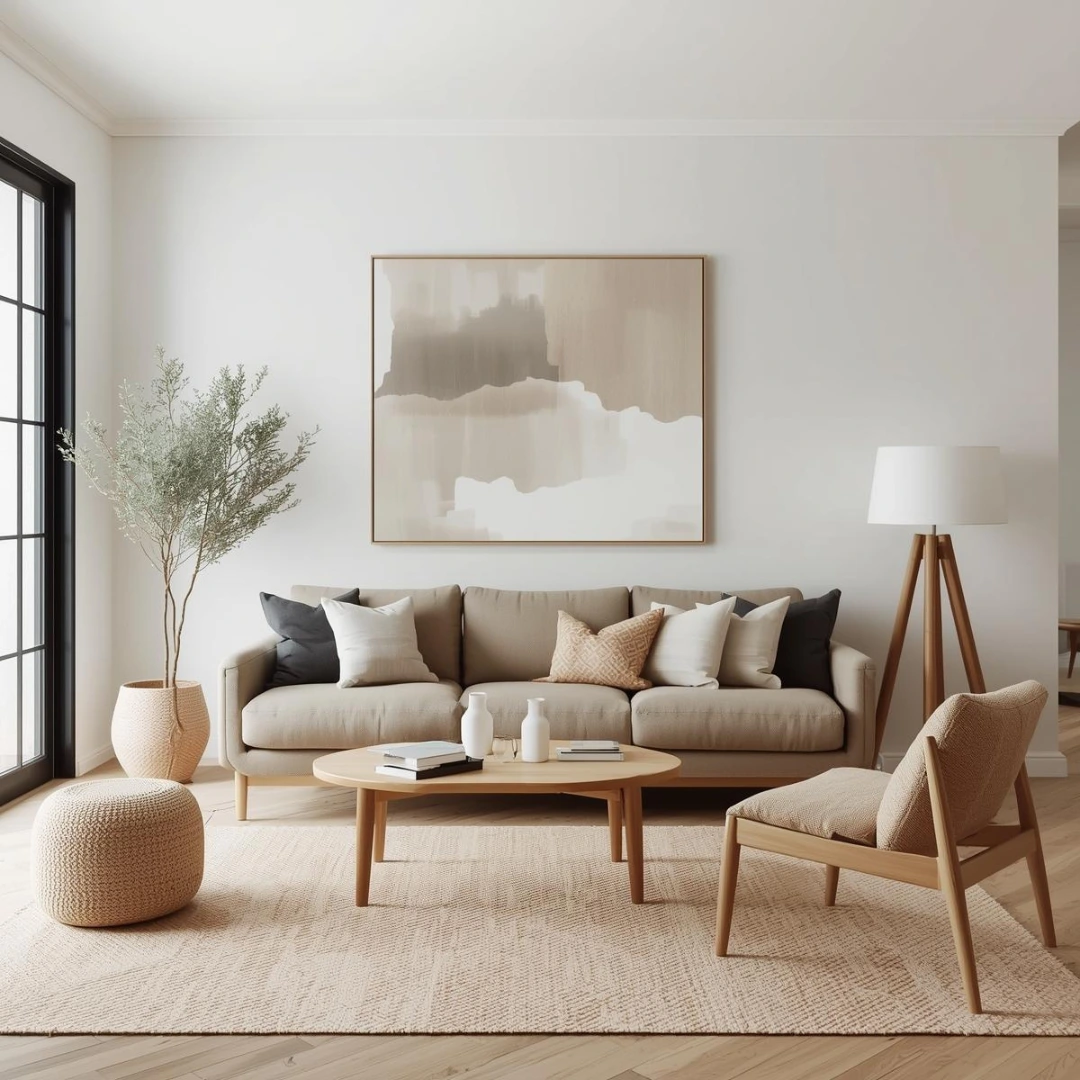
To really understand Japandi style, it helps to look at where it comes from. Japanese design is shaped by wabi-sabi, which means finding beauty in simplicity and imperfection. Scandinavian design values hygge, a sense of comfort and everyday coziness. When you bring these ideas together, you get a living room that feels grounded, soft, and balanced.
In practice, this means fewer decorations, more natural materials, soft colors, and useful furniture. Japandi isn’t about making a room look empty; instead, it clears away distractions so the space feels open and calm.
Creating a Calm Foundation with Warm Neutral Colors
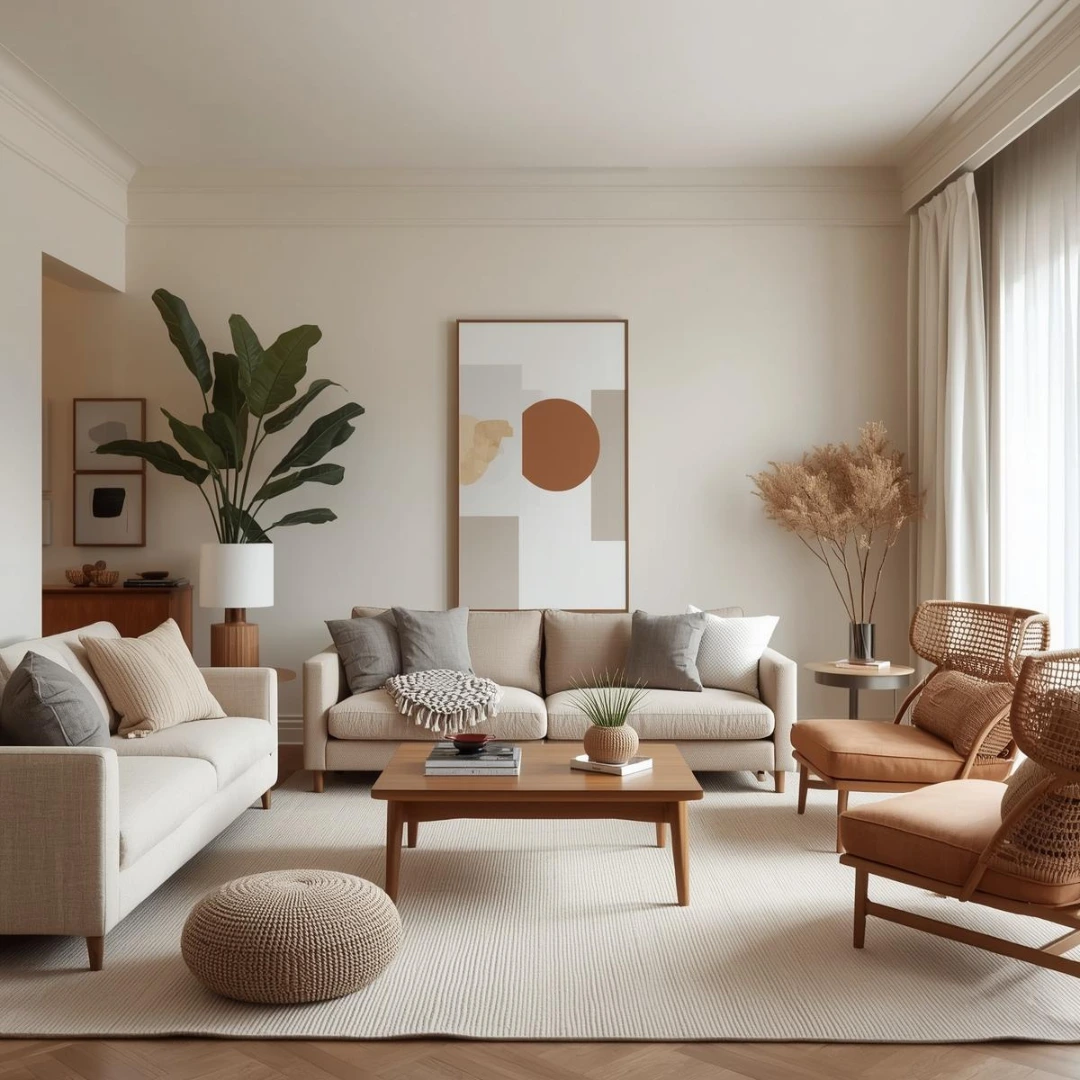
Color shapes how your living room feels. Japandi interiors rarely use bright white or strong black-and-white contrasts. Instead, they use warm, earthy neutral colors that feel calm and natural.
Shades like creamy white, beige, greige, warm gray, soft taupe, and muted clay unify a room. These colors reflect natural light and soften sharp edges, benefiting open-concept homes.
Warm neutrals also connect adjacent spaces. As discussed in our guide on Interior Design Ideas to Modernize Your Home, using similar colors helps open floor plans feel unified.
When choosing paint, always test samples throughout the day. Morning light and evening light can dramatically change how a shade appears.
Choosing Low-Profile Furniture for a Grounded Look
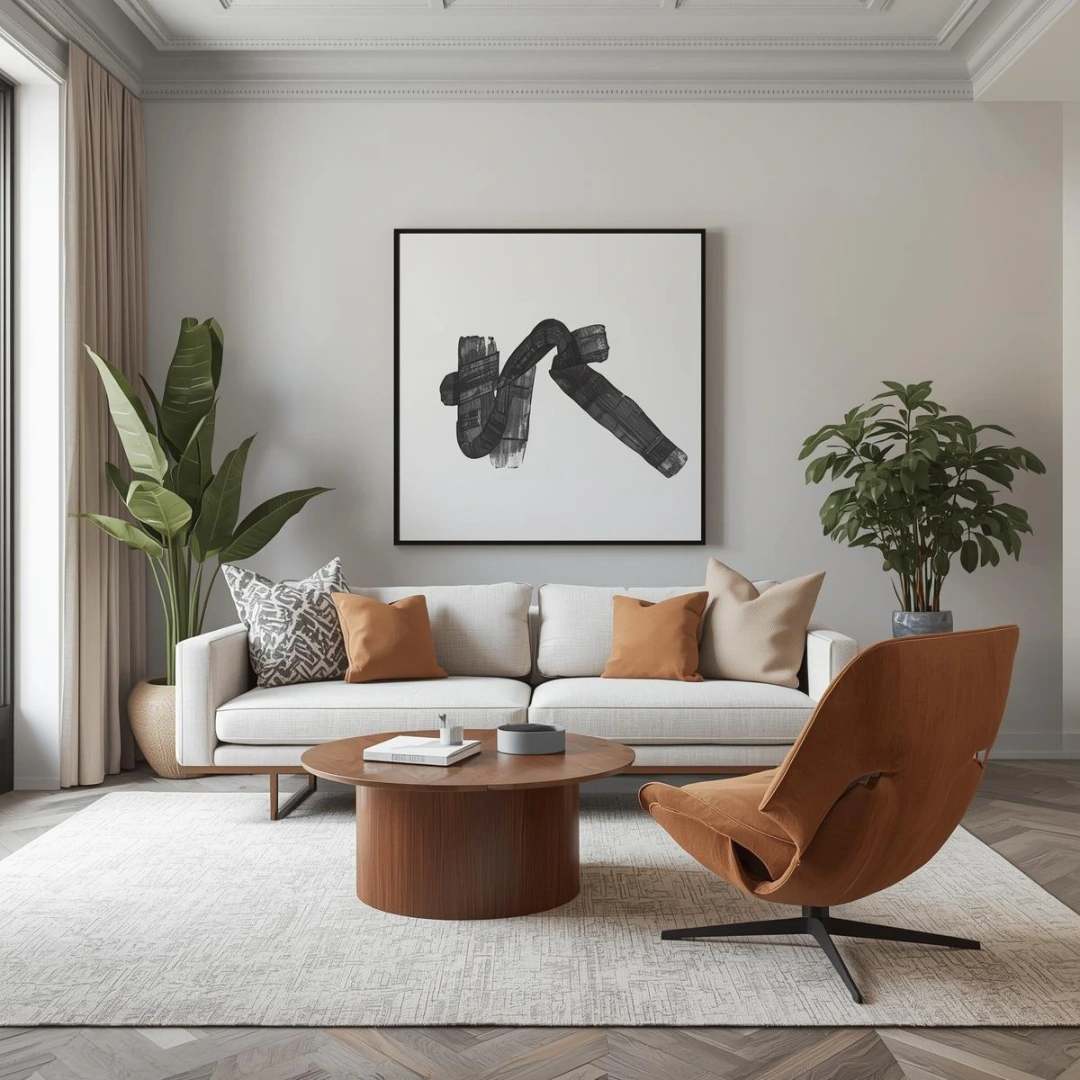
One of the most defining features of Japandi living rooms. Japanese interiors often use pieces that sit close to the ground, which makes the space feel stable and open. In modern homes, this can also make ceilings seem higher and improve the flow of the room. for streamlined sofas with clean lines and subtle legs. Coffee tables should feel light — think natural wood with simple forms rather than heavy carved pieces. Media consoles often appear floating or minimal, allowing negative space underneath.
Lower furniture draws your eyes horizontally rather than vertically, making the space feel wider and more relaxed.
Layering Natural Textures for Warmth and Depth
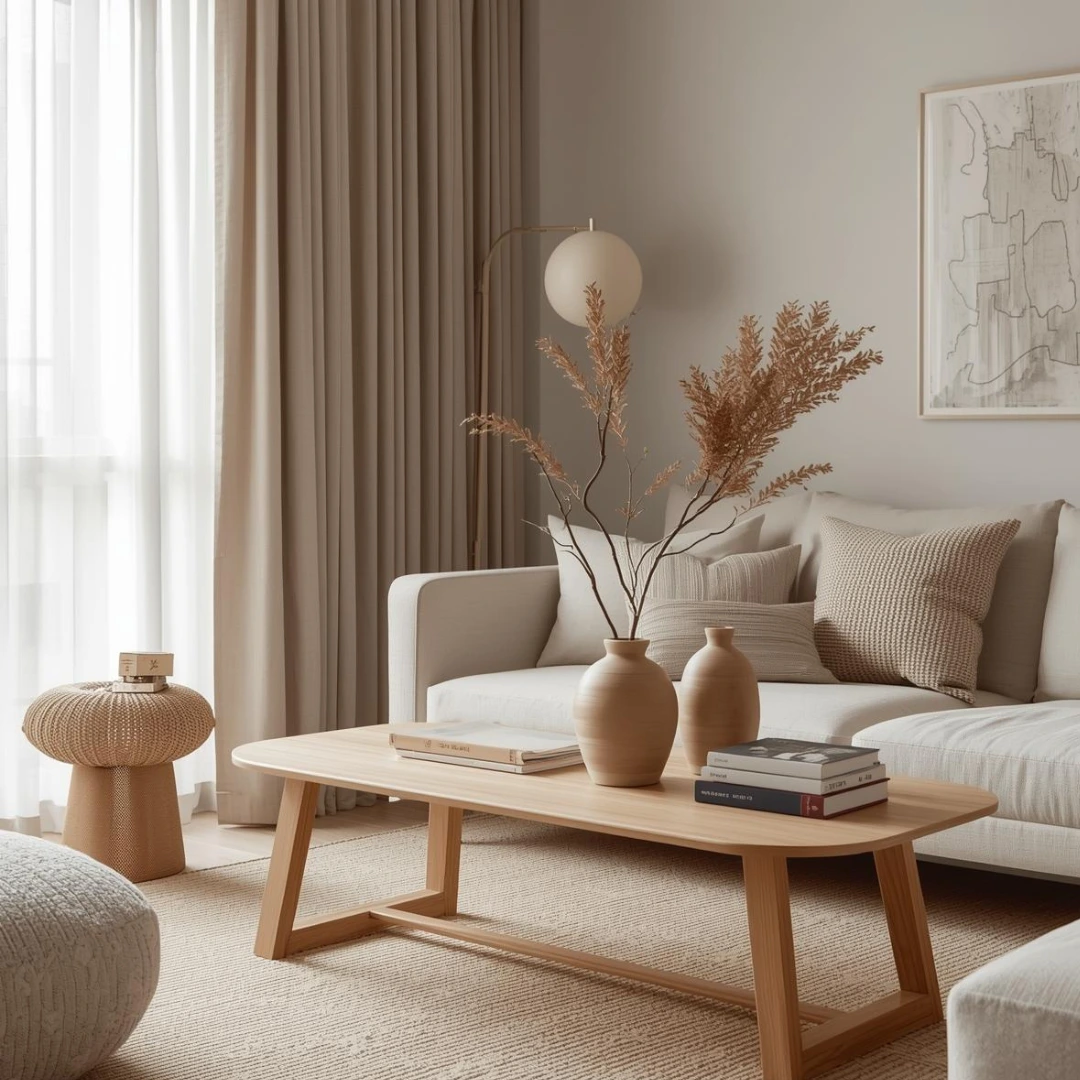
Minimal design can feel cold if texture isn’t thoughtfully layered. Japandi interiors use a variety of textures to make the space interesting without clutter. The trick is to gently mix soft and firm materials. For example: a light oak coffee table, cotton drapes, and a matte-finish ceramic vase. None of these elements competes; together, they create depth and richness.
In Japandi spaces, texture replaces excess decoration. Rather than filling shelves with accessories, let the materials stand out. As highlighted in our article on Cozy Reading Nook Ideas for Small Spaces That Feel Magical, soft layers transform even small spaces into cozy retreats.
Embracing Negative Space as a Design Element
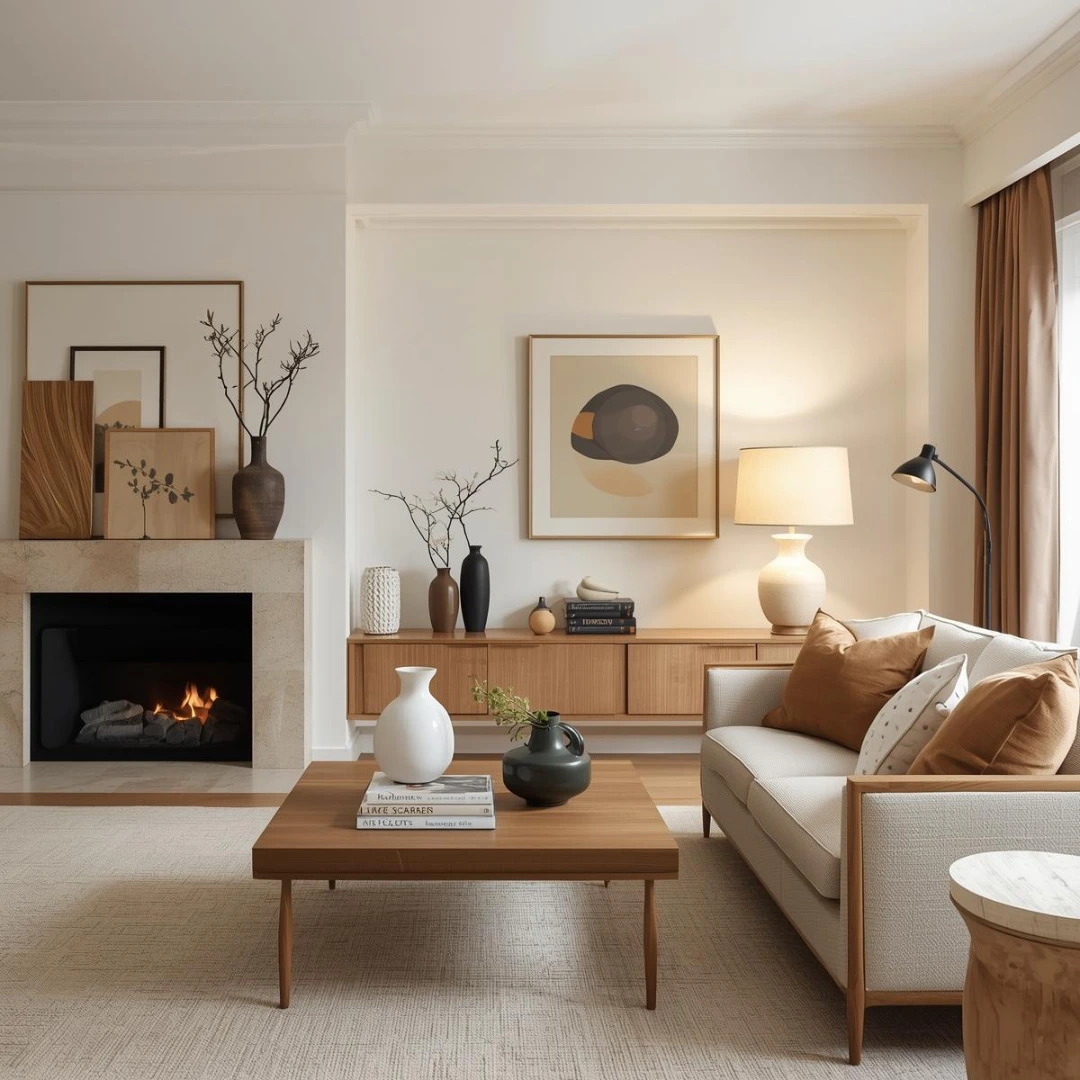
Empty space can feel unfamiliar in home design, but in Japandi interiors, negative space is intentional. It gives the room space to breathe.
Rather than styling every shelf or covering every wall, leave certain areas open. For example, a console table may hold just one sculptural vase and a single book, or a wall might feature one large abstract canvas instead of a gallery cluster.
This kind of restraint makes the room feel calm and lets special pieces stand out. We talked about this idea in Modern Fireplace Mantel Decorating Ideas for Everyday Living Room, where leaving space helps important items have more impact. That Feels Natural
Lighting dramatically influences how Japandi living rooms feel. Bright white LEDs or fancy chandeliers can break the calm mood. Japandi style prefers warm, soft light that feels like sunset, and uses floor and table lamps to create layers. Paper lantern pendants, wooden lamp bases, and fabric shades complement the natural material palette.
Lighting should feel soft, not harsh. By evening, your living room becomes a peaceful retreat, not a bright showroom.
Bringing Nature Indoors with Intention
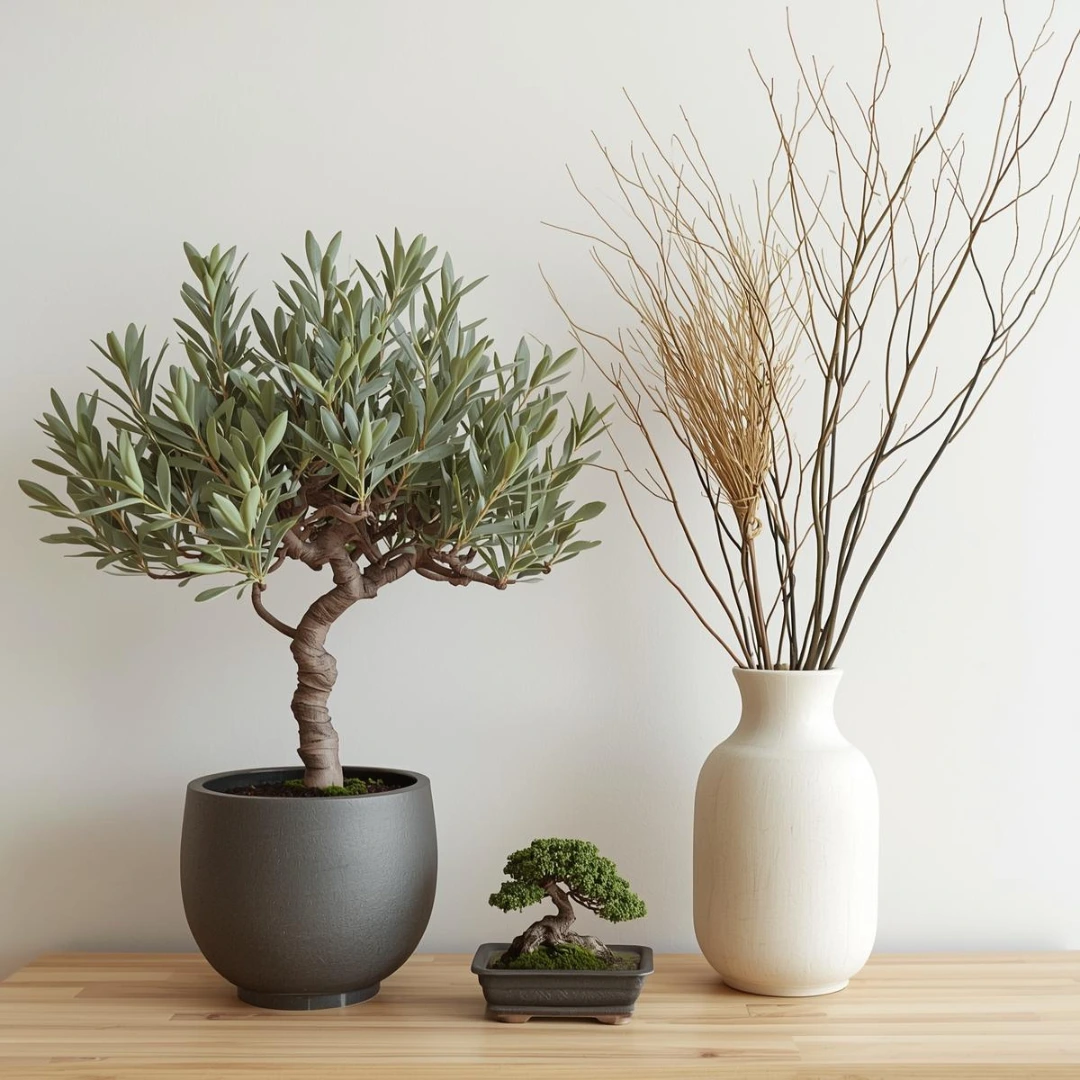
Nature is important in Japandi design, but it’s used with care. Instead of putting lots of plants in every corner, pick one or two plants that stand out in a simple way.
An olive tree in a matte pot, a small bonsai on a table, or dried branches in a plain vase can add a natural, soft touch. These details help connect your indoor space to the outdoors, a key part of Japanese design.
Plants also help clean the air and add gentle movement, making even simple rooms feel more lively.
Smart Storage Solutions That Reduce Visual Clutter
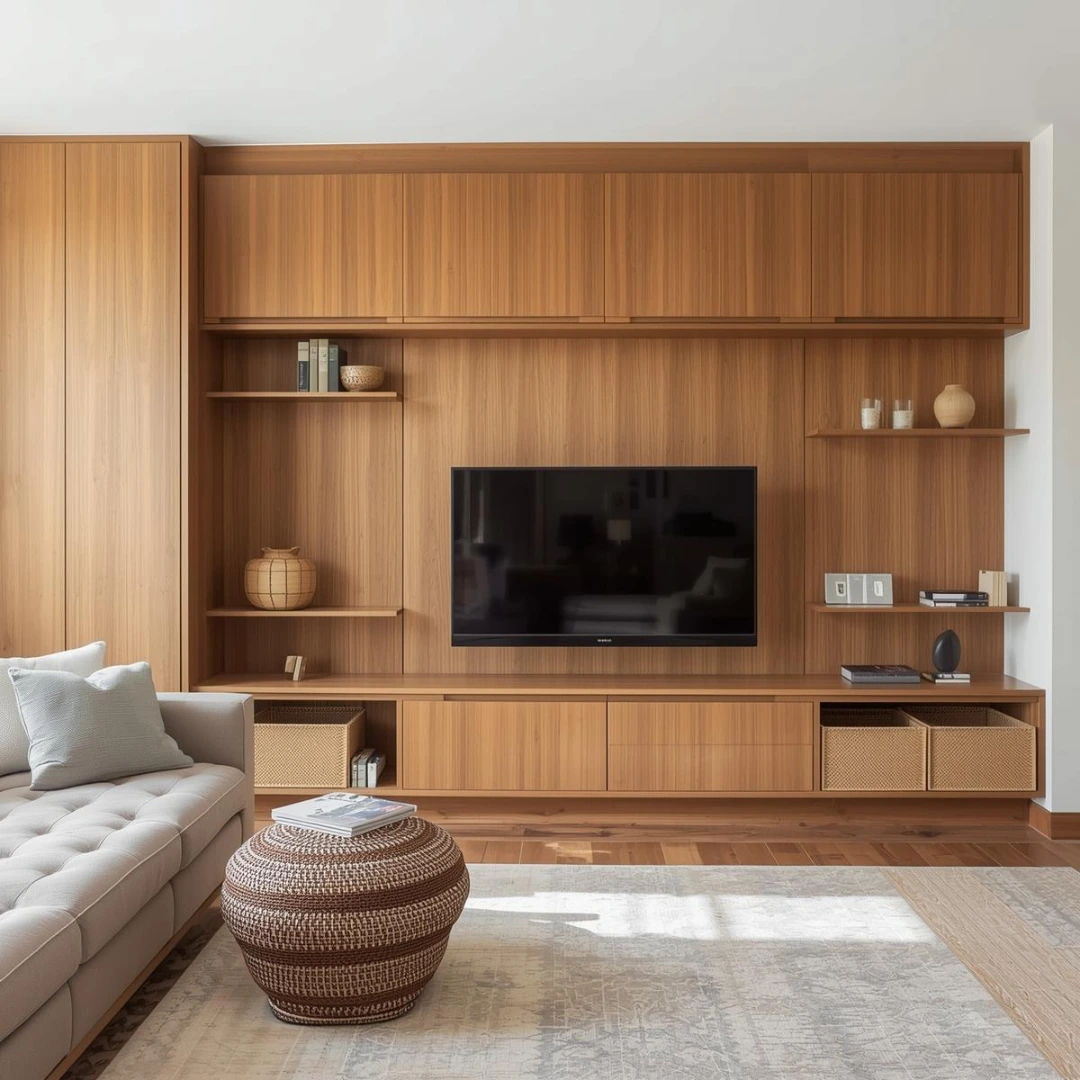
Modern homes come with daily necessities — remotes, chargers, blankets, books, and personal items. Japandi living room design embraces hidden storage to maintain visual serenity.
Closed cabinetry, built-in shelving with concealed compartments, and minimal sideboards help keep essentials organized without visible chaos. Storage benches and woven baskets add function while maintaining the natural aesthetic.
When most surfaces are clear, the room immediately feels lighter and more put-together.
Layout Strategies for Open-Concept Living Rooms
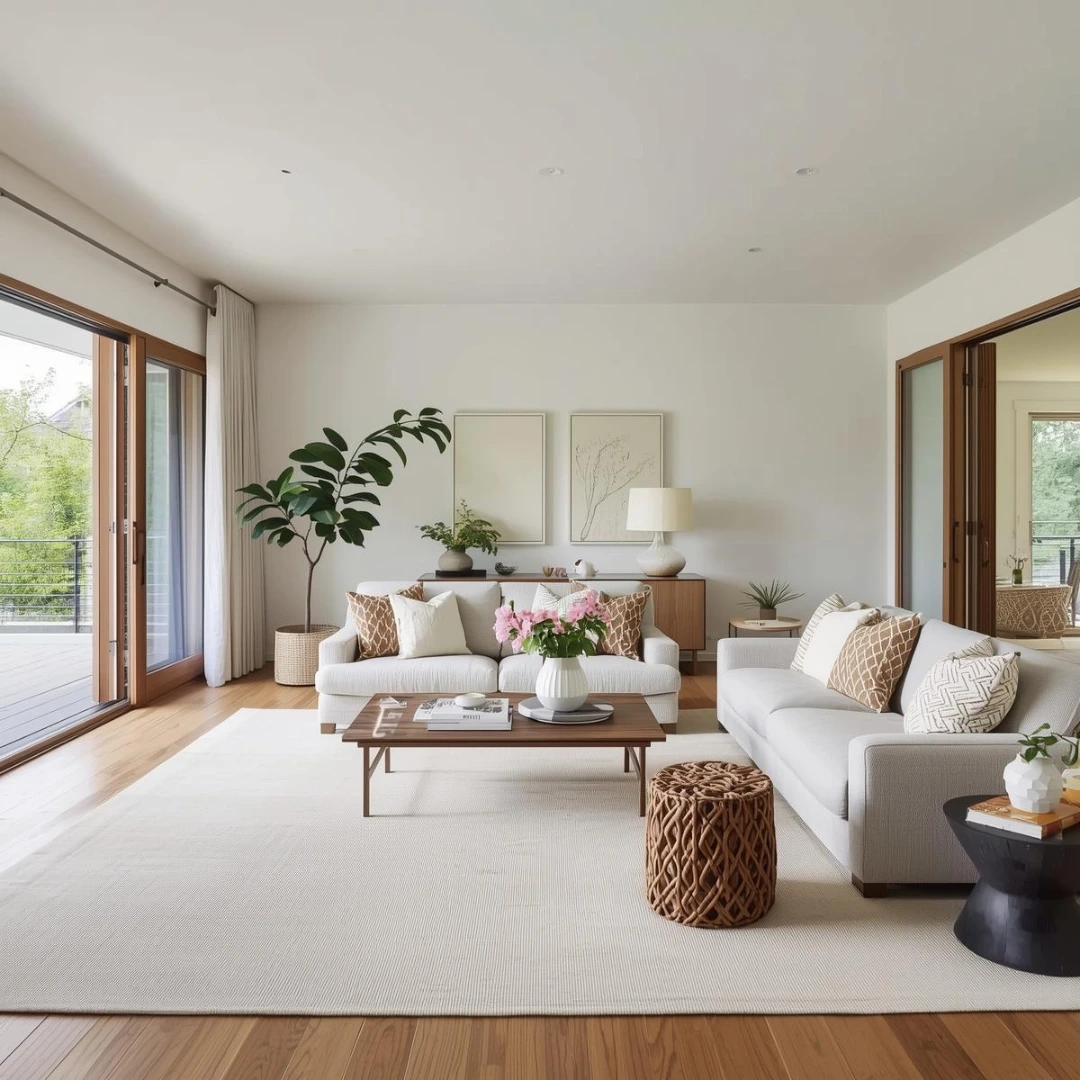
Open-concept homOpen-concept homes are common in the United States, and the Japandi style fits them well. Instead of putting furniture against the walls, place your sofa in the middle to create a clear seating area. Use a big neutral rug to anchor the space and keep walkways open. windows, and let natural light guide your layout decisions. Open sightlines reinforce the feeling of spaciousness, while carefully chosen furniture maintains balance.
As discussed in our guide on How to Design a Bathroom That Feels Like a Spa, flow and softness help create a sense of peace. The same approach works in your living room.
Statement Pieces: The Power of Restraint
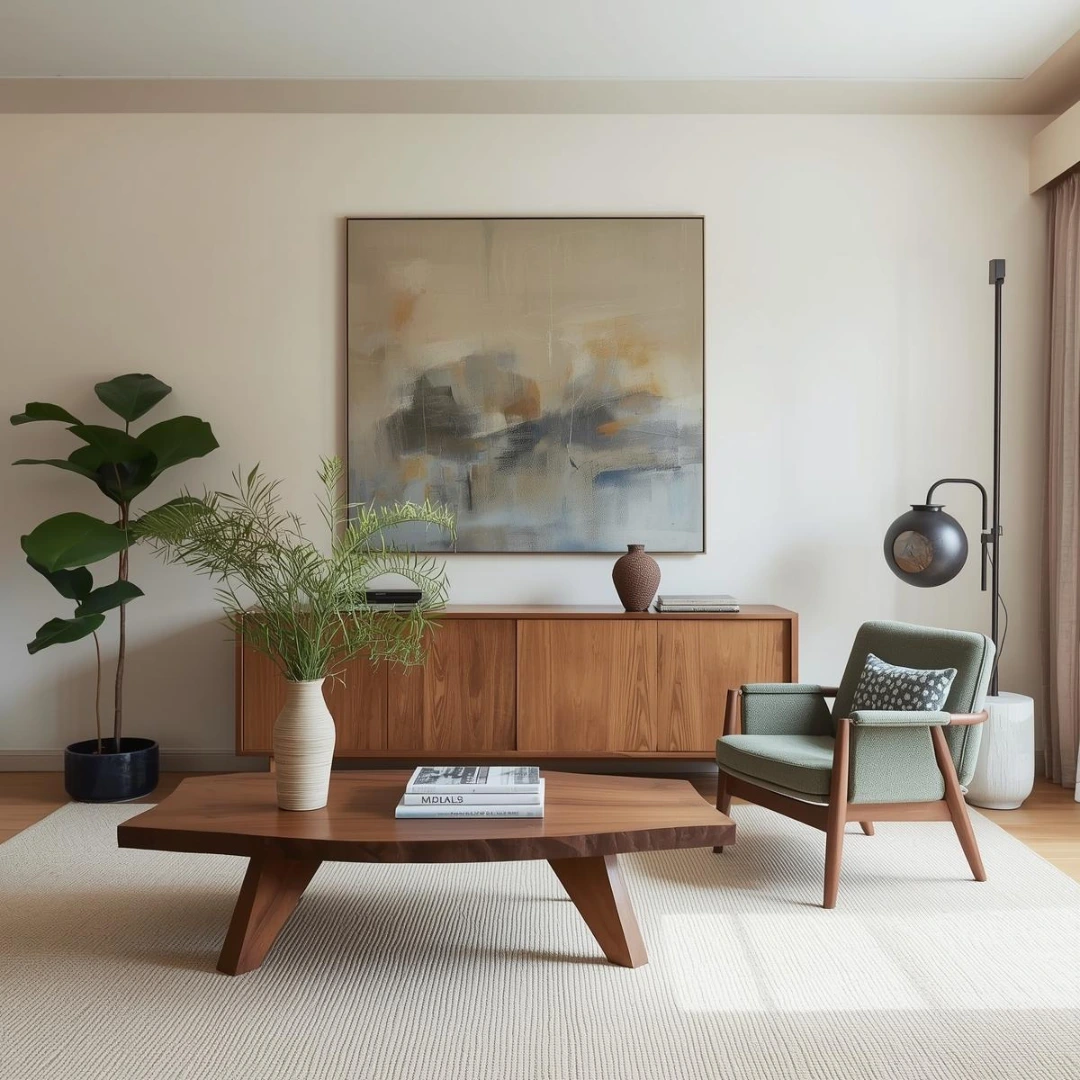
In Japandi interiors, less really is more. Instead of showing off lots of decorations, pick one special piece. This could be a big abstract painting, a handmade wood coffee table, or a unique accent chair.
When you clear away extra clutter, that one item stands out more. The room feels carefully chosen, not crowded.
Conclusion
At its heart, Japandi Living Room Design Ideas for Modern Homes are about feeling clear and calm. This style helps you get rid of extra stuff, use natural materials, and make choices on purpose, not just on a whim.
This style isn’t about being perfect. It’s about comfort. It’s about coming home to a space that feels calm, balanced, and quietly beautiful. When you focus on warmth, texture, and simple choices, your living room becomes more than just stylish. It becomes a place where you can really relax.
FAQs
Is Japandi suitable for small apartments?
- Absolutely. Japandi works beautifully in smaller spaces because it emphasizes simplicity, low furniture, and open layouts. By reducing clutter and using light, neutral colors, small living rooms can feel larger, brighter, and more breathable without sacrificing comfort or warmth.
What colors work best in a Japandi living room?
- Warm neutrals are ideal. Think soft whites, beige, greige, muted taupe, and warm gray. Earth tones like clay and soft brown also complement the style. Avoid bright whites or bold, saturated colors that disrupt the calm aesthetic.
Can I mix Japandi with modern farmhouse?
- Yes, but carefully. Focus on shared elements like warm wood, neutral palettes, and functional furniture. Avoid overly rustic decor. Keep lines clean and minimize decorative clutter so the space maintains Japandi’s simplicity and balance.
What type of sofa works best for the Japandi style?
- Low-profile sofas in neutral fabrics like linen or cotton are ideal. Choose clean lines and avoid heavy tufting or ornate arms. Soft cushions are welcome — comfort is important, but visual simplicity matters just as much.
Are dark colors allowed in Japandi interiors?
- Yes, in moderation. Charcoal, deep brown, and muted black can add contrast and grounding. However, they should be balanced with lighter tones and natural wood to maintain warmth and avoid a heavy appearance.
How do I make Japandi feel cozy instead of cold?
- Layer textures. Add wool throws, soft rugs, linen curtains, and warm lighting. Natural wood and soft fabrics create warmth while keeping the space minimal and intentional.
Is Japandi just a trend?
- While it’s currently popular, Japandi is rooted in timeless principles — simplicity, craftsmanship, and connection to nature. These values never go out of style, making it more of a lasting design philosophy than a short-lived trend.